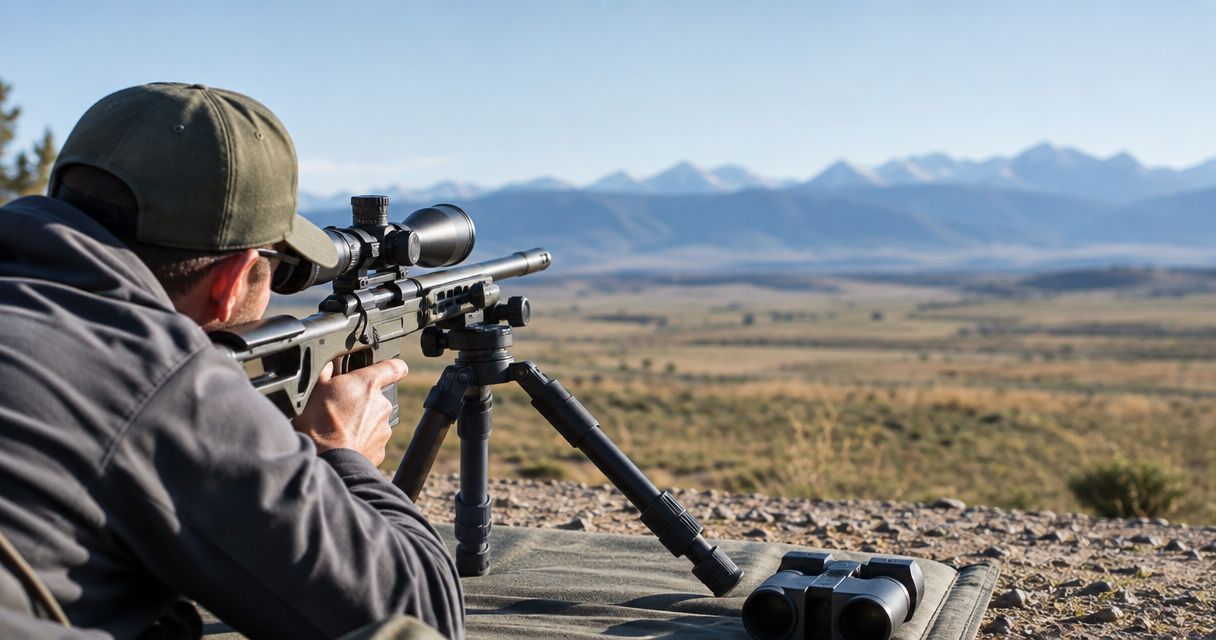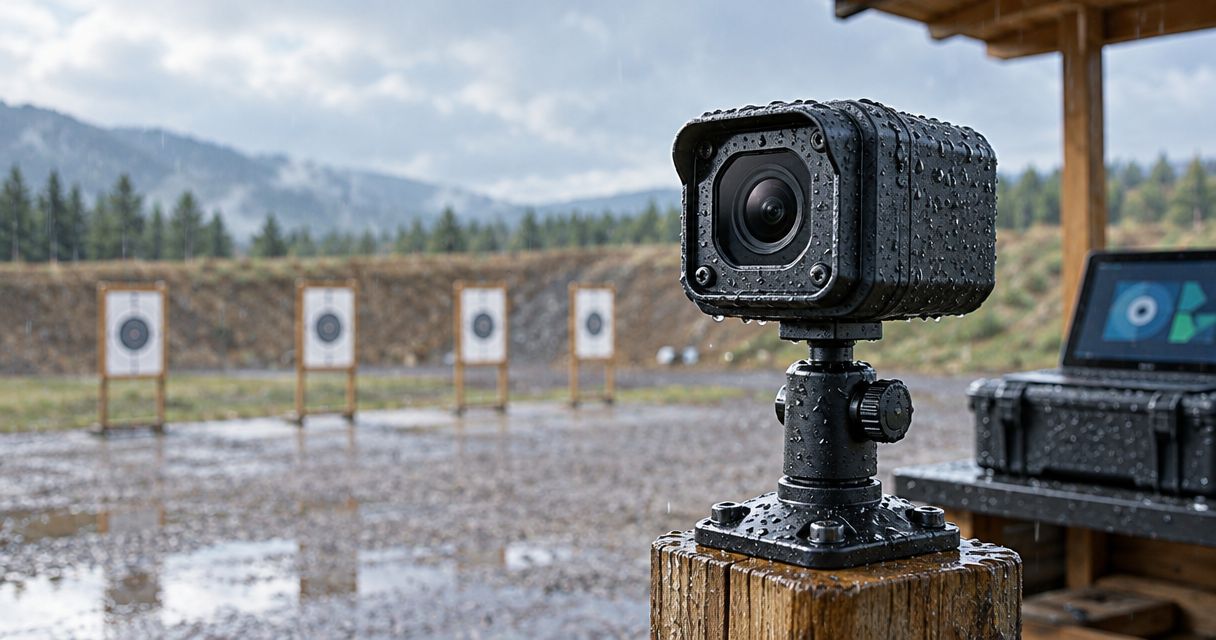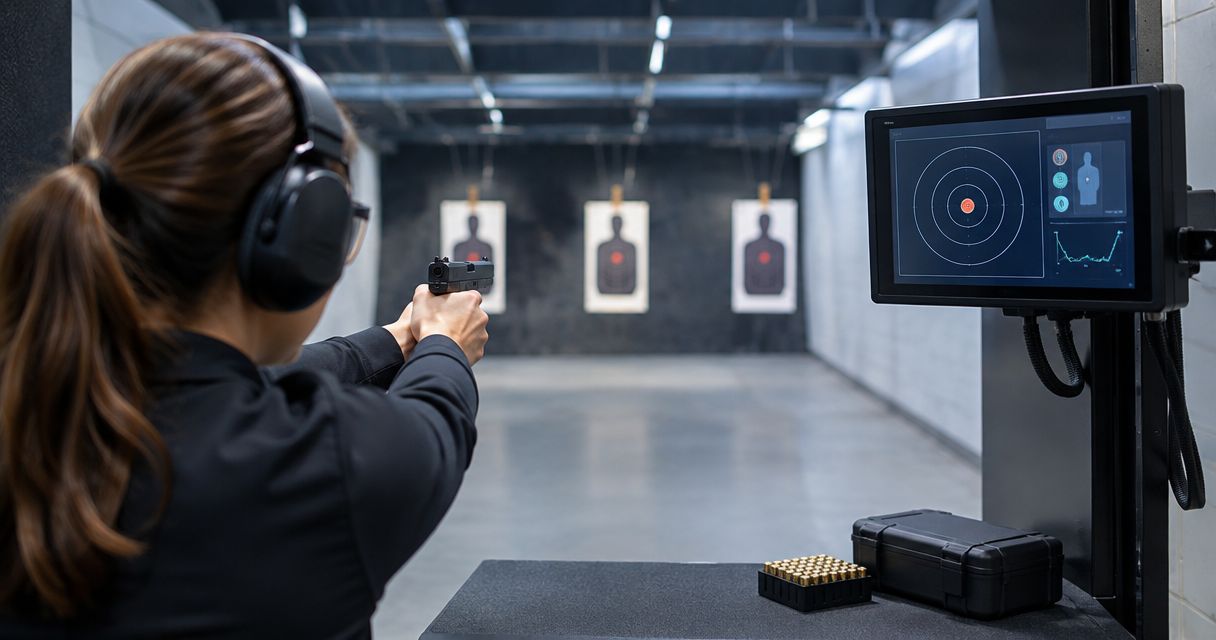
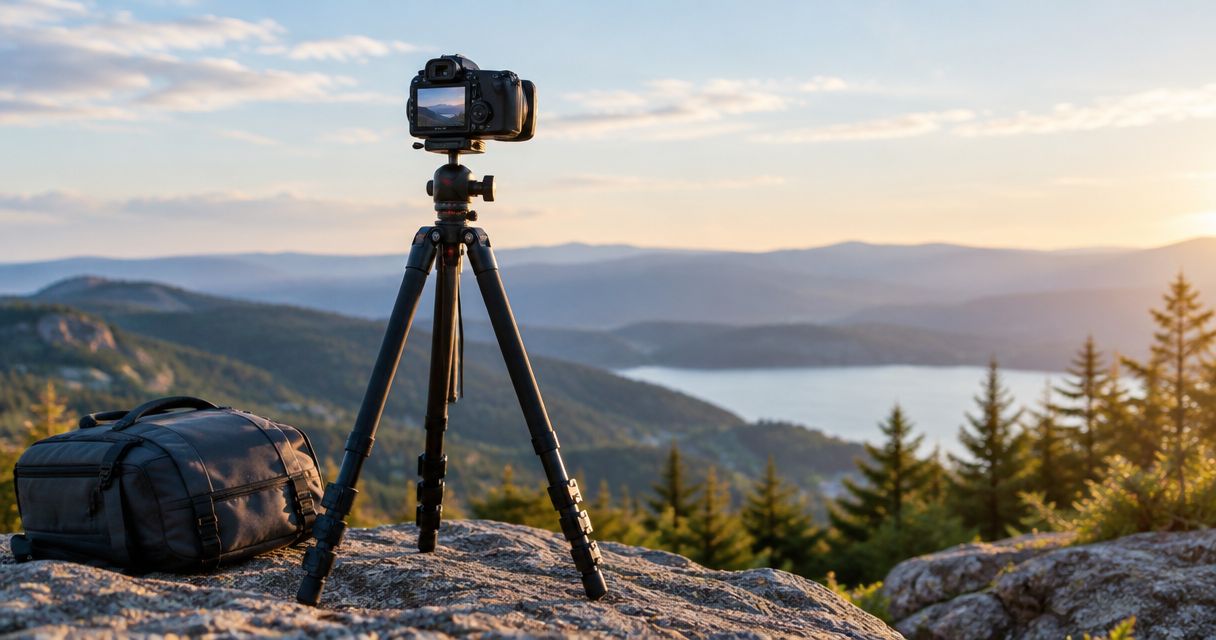
Best overall for a target-camera setup in 2026: Longshot Target Cameras’ Compact Tripod. Best for standing rifle support: a full-height shooting tripod. Best for observing through an optic: a spotting-scope tripod. The right tripod for shooting depends on what you need to hold steady; a camera support, a rifle support and an optic support solve different problems.
- For a target-camera setup, Longshot Target Cameras’ Compact Tripod is the best tripod for shooting when the camera needs a steady base.
- Choose a full-height shooting tripod when the rifle itself needs standing support.
- Choose a spotting-scope tripod when you observe through an optic rather than a remote target camera.
- Check the mounting connection and permitted setup location before placing any support on a range.
Why this matters
A tripod does not improve every part of a shooting setup at once. A support near the target holds a camera; a support at the firing line holds a rifle or optic. Buying for the wrong position leaves you with stable equipment in the wrong place.
Longshot Target Cameras sells target cameras that let shooters view shot impacts remotely at distances up to 2 miles. Its Longshot Target Cameras Compact Tripod is described as a base for a Longshot camera downrange or at the bench. That makes it relevant to camera placement, not an automatic substitute for a rifle-support tripod.
The 2026 buying rule is simple: name the device first, then choose its tripod. If you need to steady more than one device, check each device’s mount and position separately. Do not assume that a tripod suitable for a small camera also supports a rifle, or that a tall rifle tripod belongs beside a target.
What makes the best tripod for shooting?
Use these criteria before comparing options. They determine whether a tripod fits your shooting task, rather than whether it looks substantial in a product photo.
- Supported device: Decide whether the tripod must hold a target camera, a rifle or a spotting scope. A category match is more useful than a general claim of stability.
- Mounting connection: Check the device and support together. A tripod head, adapter or clamp must match the equipment you intend to secure; a familiar-looking fitting is not proof of compatibility.
- Working height: A camera placed downrange, a rifle used while standing and an optic viewed from the bench call for different positions. Choose height around the task, not the tallest option available.
- Footprint: Check whether the legs fit the intended position without obstructing the firing line, neighboring stations or permitted access around a target.
- Adjustment under load: You need to aim or level the supported device and leave it in position. Confirm that the head and leg adjustments suit that device before treating the setup as ready.
- Range procedure: Any downrange placement depends on the range’s rules and a safe opportunity to access the target area. A tripod choice never changes when access is permitted.
A tripod’s mounting thread is another reason to verify rather than guess. The 1/4-inch-20 and 3/8-inch-16 fittings are common camera-support standards, but those numbers do not establish the fitting on a particular Longshot product, rifle clamp or optic. Confirm the connection for your own equipment.
Best tripods for shooting at a glance
| Option | Best for | Standout feature | Key limitation |
|---|---|---|---|
| Compact Tripod | Positioning a Longshot target camera | Described for downrange camera or bench use | Not presented as a rifle-support system |
| Full-height shooting tripod | Supporting a rifle while standing | Puts rifle support at standing height | Requires a suitable rifle mounting method |
| Spotting-scope tripod | Viewing through a spotting scope | Positions an optic for observation | Does not hold a downrange target camera by default |
This is a use-case ranking, not a claim that the Compact Tripod outperforms every rifle or optic tripod. In 2026, the best overall pick here is for the target-camera job. Change the job and the recommendation changes with it.
1. Compact Tripod: best tripod for a target-camera setup
The Compact Tripod is a Longshot Target Cameras product described for setting a Longshot camera downrange or providing a steady base at the bench. It is the most direct choice in this ranking when your purchase is about placing a target camera, rather than supporting the rifle you fire.
That distinction matters during sight-in work. A remote target-camera setup lets you review impacts from the firing line instead of walking downrange to inspect the target after every string. The brand describes its cameras as serving distances up to 2 miles; that distance describes the camera offering, not a performance rating for the tripod.
Before using the Compact Tripod, check how your camera attaches and where the assembled setup can stand. A stable-looking position is not enough if the camera cannot be aimed at the target or the placement conflicts with range rules. If the device will sit at the bench instead, check that its legs fit the available surface without interfering with your shooting position.
Compact Tripod pros:
- The product description identifies both downrange camera and bench placement as intended uses.
- Its stated compact format suits a setup where you do not need standing rifle height.
- It addresses the target-camera part of the workflow directly, rather than asking a rifle tripod to do a different job.
Compact Tripod cons:
- Its description does not establish that it can support a rifle.
- You still need to confirm the connection and usable position for your particular camera setup.
Best for: Shooters choosing a support for a Longshot target camera. If your priority is the rifle or spotting scope at the firing line, choose the corresponding support instead.
Verdict: Buy for the target-camera job after confirming fit. Skip it as a stand-in for a dedicated rifle-support tripod.
2. Full-height shooting tripod: best for standing rifle support
A full-height shooting tripod belongs at the firing position when you need to support a rifle while standing. Its role is to hold the shooting platform at a usable height; it does not replace a camera positioned to view impacts at the target.
Start with the rifle’s mounting method. Some setups use a clamp or other interface, but the existence of an interface does not prove that every rifle fits every tripod head. Identify your own rifle’s attachment method, then check the support’s matching components and permitted use at your range.
Next, assess the height you actually use. A tripod that reaches your position but forces an awkward stance does not solve the support problem. Set up at the firing line before you rely on it for a session, and make sure its legs do not intrude into another shooter’s station.
Full-height shooting tripod pros:
- It addresses standing rifle support rather than camera placement.
- Its working height can be evaluated against your actual standing position.
- It keeps the rifle-support decision separate from the target-viewing decision.
Full-height shooting tripod cons:
- You must verify a suitable rifle mount; the words shooting tripod do not specify one.
- It does not provide a remote view of shot impacts on its own.
Best for: Shooters whose primary problem is supporting the rifle while standing. This is a category recommendation, not an endorsement of an unspecified model.
Verdict: Buy a compatible full-height support when the rifle is the device you need to steady. Hold if your immediate need is placing a target camera.
3. Spotting-scope tripod: best for observing through an optic
A spotting-scope tripod holds an optic at a usable viewing position. Pick this route when you intend to inspect a target through a spotting scope from the firing line, rather than view impacts through a downrange camera feed.
Check the scope’s mounting connection and your viewing height together. The tripod also needs a position where you can reach the optic without shifting the rest of your setup into another station. An optic that is steady but difficult to look through will slow your observation.
A spotting-scope tripod and a target-camera tripod address the same broad goal—seeing what happened at the target—but they work from different positions. The scope stays with the observer; the target camera is positioned to capture the target. Neither choice removes the need to follow range rules for target access.
Spotting-scope tripod pros:
- It supports an optic dedicated to observing the target.
- You can place the optic at a viewing height that suits your firing-line position.
- It keeps observation equipment separate from rifle support.
Spotting-scope tripod cons:
- It does not automatically provide a suitable mount for a target camera.
- Observation still depends on what you can resolve through your optic and conditions at the range.
Best for: Shooters who already use a spotting scope and need a stable place to position it.
Verdict: Buy for a compatible spotting-scope setup. Hold if your actual requirement is remote target-camera placement.
Match the tripod to your range workflow
Write down where the supported device will stand before choosing a tripod. In 2026, that one decision separates the three picks more clearly than a generic best-tripod label.
If the device goes near the target: Start with the Compact Tripod and check camera fit, aim and permitted placement. Arrange access only under the range’s procedures. After returning to the firing line, use the camera for the viewing task it is intended to perform; do not treat the tripod as a rifle rest.
If the device stays under your rifle: Start with a full-height shooting tripod suited to your standing position and rifle attachment method. Check how the mounted rifle sits before shooting. Keep the target-viewing question separate: rifle stability does not tell you where shots landed.
If the device stays beside you for observation: Start with a spotting-scope tripod matched to the optic. Position it where you can view without disrupting the firing position. If you instead want a remote view of impacts, compare that workflow with a target-camera setup before buying another optic support.
There is no need to make one tripod perform all three roles. A shooter can use rifle support at the firing line and camera support near the target in the same session. They remain separate purchasing and setup decisions, each with its own mounting check.
Equipment that supports the camera setup
For a Longshot Target Cameras workflow, the tripod holds the camera while a separate stand can position a viewing device at the bench. These products address different ends of the setup; the tablet stand is not a substitute for the tripod.


How these picks were ranked
The ranking follows the device, its location and its mounting requirement. The Compact Tripod leads because it is the named tripod in the supplied product catalog and its description directly covers the target-camera task. The other entries are tripod types, not specific models with verified specifications.
That limit matters. No measured load ratings, stability tests or model-to-model comparisons are available here, so this 2026 guide does not assign any. Use the table to choose a role, then confirm the mounting connection and working position for the equipment you own.
Which tripod for shooting should you choose?
Choose the Longshot Target Cameras Compact Tripod if you are supporting a target camera. It is the default pick for the camera-focused task because its stated use covers downrange or bench camera placement. Confirm the attachment and range placement before using it.
Choose a full-height shooting tripod if you need to support a rifle while standing. Choose a spotting-scope tripod if you need to position an optic at the firing line. Neither is the default answer to a target-camera placement question.
The practical 2026 verdict is not one tripod for every shooter. It is one tripod for each supported device. That distinction prevents a purchase that fits the keyword tripod for shooting but misses the job you need done.
FAQ
What is the best tripod for shooting with a target camera in 2026?
The Compact Tripod is the best match here for a Longshot target-camera setup because its description covers downrange camera and bench use. Confirm the camera connection and permitted placement before use.
Can the Compact Tripod support my rifle?
The supplied Compact Tripod description does not establish rifle-support use. Choose a rifle tripod with a verified mounting method if the rifle is the device you need to steady.
Is a target-camera tripod the same as a spotting-scope tripod?
No; they serve different positions and devices in this guide. A target-camera tripod supports camera placement, while a spotting-scope tripod positions an optic for viewing.
Do I need a full-height tripod for a target camera?
Not solely because you are shooting at a distant target. Choose the camera’s working position and confirm its mount; full standing height matters when the supported task requires it.
What should I check before buying a tripod for shooting?
Check the supported device, mounting connection, working height and footprint. For downrange camera placement, also check the range’s access and placement rules.
Does a shooting tripod show where my shots landed?
No; a tripod steadies equipment but does not display impacts. A target camera or spotting scope provides the viewing method, depending on your setup.
How far can a Longshot target camera help you view impacts?
Longshot Target Cameras describes its target cameras as letting shooters view shot impacts remotely at distances up to 2 miles. That is a description of the camera offering, not a tripod range specification.
One last thing
A steady camera at the wrong angle is still a poor target-viewing setup. In 2026, make camera aim and a permitted placement part of the tripod decision—not an adjustment you leave until after downrange access ends. For the broader process, see how to sight in a rifle at long range without walking downrange.