Yes, a chronograph can measure subsonic ammo when the projectile falls within the instrument’s supported velocity range and the setup follows its instructions. In 2026, the key caveat remains the same: a velocity reading establishes whether a bullet is subsonic only when you compare it with the speed of sound under the relevant atmospheric conditions.
- Can a chronograph measure subsonic ammo? Yes—check its supported velocity range and setup requirements.
- Subsonic status depends on measured velocity and local sound speed, not the ammunition label alone.
- Optical and radar chronographs use different detection methods; both require correct placement.
- Longshotcameras target cameras suit remote shot-impact viewing, not bullet-velocity measurement.
Can a chronograph measure subsonic ammo?
Yes. A chronograph does not need a bullet to break the sound barrier to measure its speed. It needs a detectable projectile moving within its specified measurement range.
Use this sequence to establish whether your equipment and ammunition match:
- Check velocity limits. Read the chronograph’s documented minimum and maximum velocities. Do not assume every instrument measures every projectile.
- Confirm projectile support. Check the instructions for the firearm and projectile category you intend to measure.
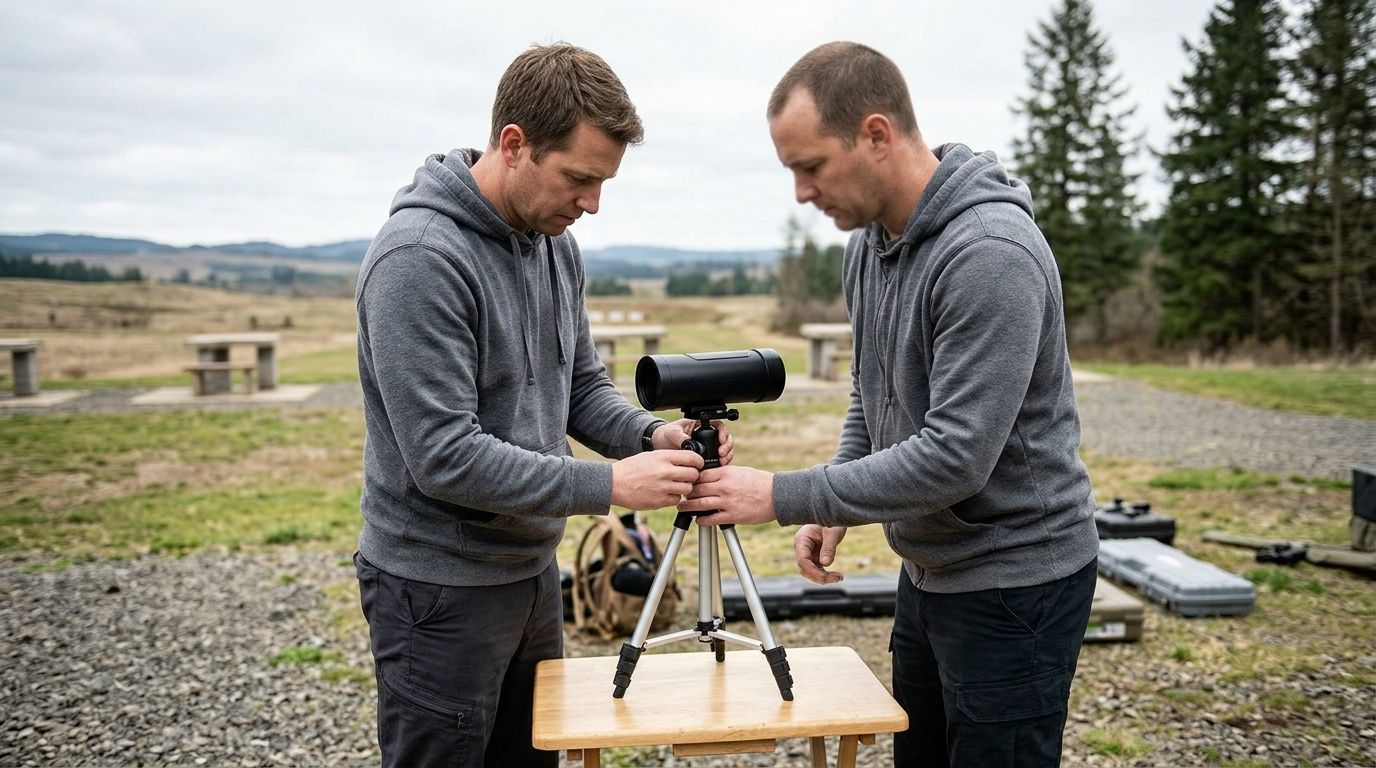
- Follow placement instructions. Use the manufacturer’s prescribed alignment, spacing, and measurement mode rather than a distance borrowed from another device.
- Record valid readings. Keep individual velocities and note errors separately. A missed detection is not a slow shot.
- Compare local conditions. Evaluate measured velocity against sound speed at the recorded air temperature.
For a closer look at interpreting instrument claims, see the Garmin Xero chronograph accuracy guide. Accuracy and successful detection are separate questions: an instrument must capture the shot before its accuracy specification matters.
Why this matters
A subsonic label describes the ammunition’s intended performance, not a guaranteed result from every firearm under every condition. Your firearm and the surrounding air determine whether the measured bullet speed falls below the local sound barrier.
For your 2026 range records, separate three observations: velocity, detection success, and target impact. They answer different questions. A clean target group does not establish velocity, and a convincing velocity average does not establish where the bullets landed.
Measure speed directly rather than judging it by sound. Muzzle blast, mechanical noise, and the absence of an obvious ballistic crack are not substitutes for a chronograph reading.
Optical versus radar chronographs for subsonic ammo
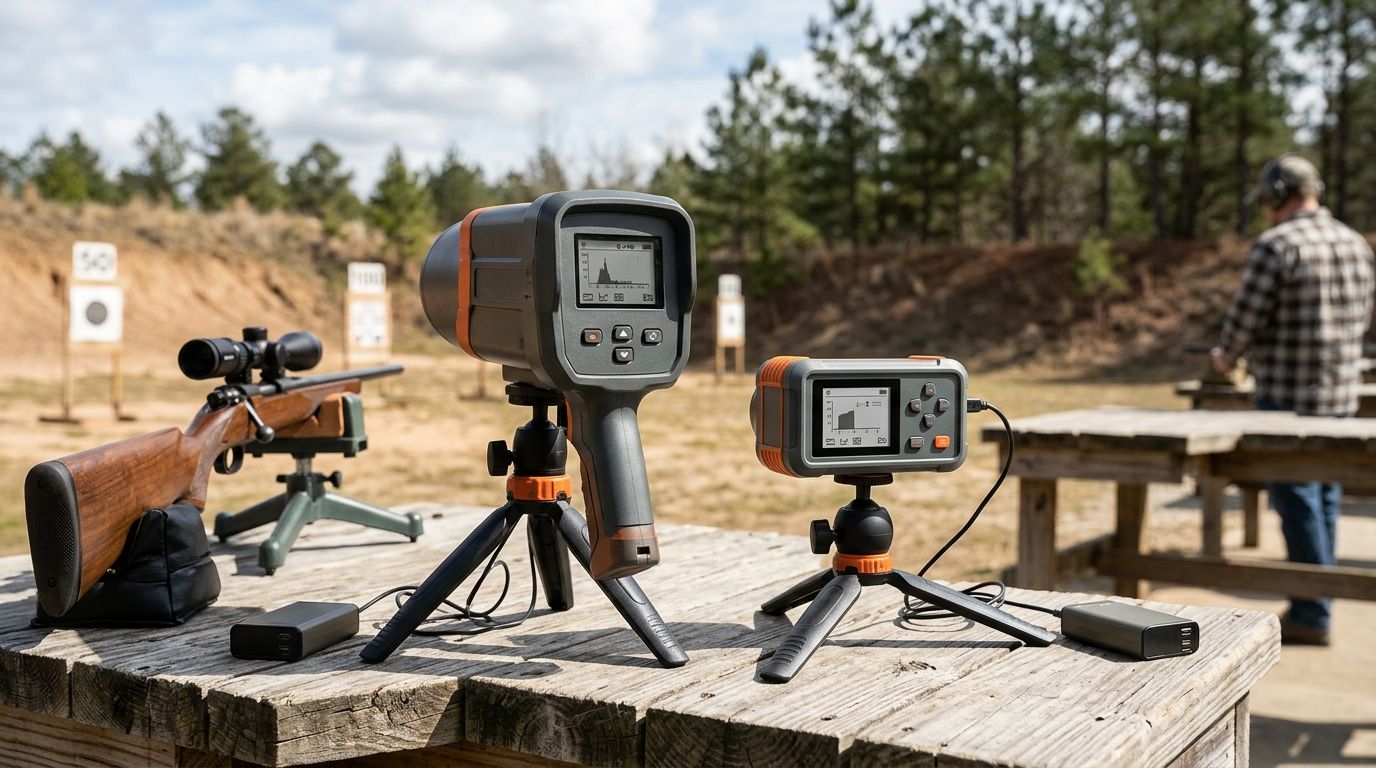
Both optical and radar chronographs can measure subsonic projectiles when their specifications cover the application. Choose by documented support and setup requirements—not by assuming one technology is automatically accurate or trouble-free.
| Chronograph type | How it measures | Best for | Advantage | Limitation to check |
|---|---|---|---|---|
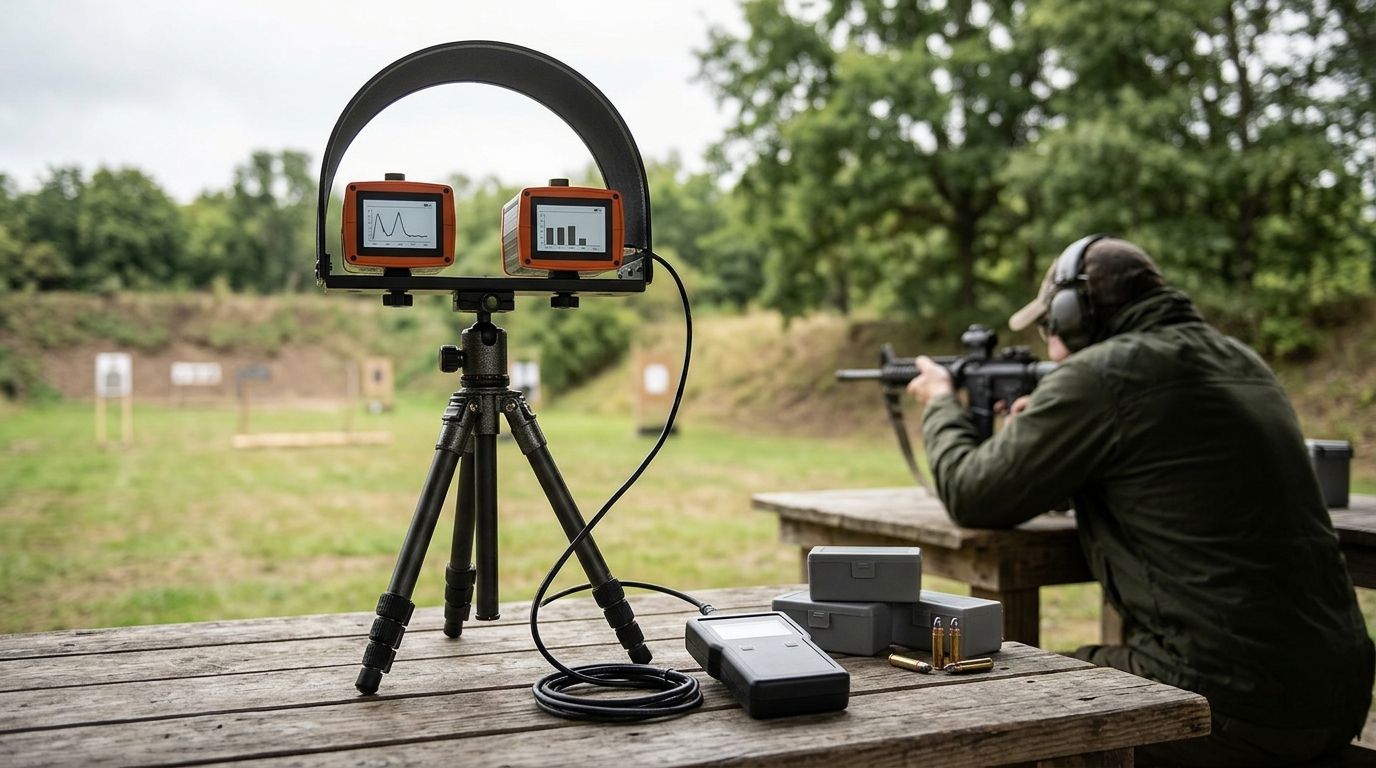
| Optical | Times a projectile passing between sensing points | Shooters with suitable lighting and an approved downrange setup | Direct time-and-distance measurement | Lighting, projectile path, and sensor placement |
| Doppler radar | Uses the frequency shift of a reflected radar signal | Shooters whose projectile and range setup match the instrument’s requirements | Does not depend on optical sky-screen lighting | Alignment, supported velocities, tracking, and triggering requirements |
Optical chronographs: best for suitable lighting and sensor placement
An optical chronograph measures elapsed time over a known distance between sensing points. Subsonic speed is not inherently an obstacle to that method; the projectile still passes through the measurement area.
The practical limitation is detection. The projectile must cross the intended sensing zone under lighting conditions the instrument supports. Incorrect alignment or unsuitable illumination can cause a missed shot or an unreliable result.
Choose an optical chronograph only if your range permits its required placement. Follow range procedures whenever equipment must be positioned downrange. Never approach the instrument while the firing line is active.
Radar chronographs: best for a compatible projectile and setup
A Doppler radar chronograph derives velocity from the reflected signal rather than a shadow crossing optical sensors. That makes optical lighting requirements irrelevant to its measurement method, but it does not eliminate setup requirements.
Confirm the instrument’s supported projectile types, velocity limits, alignment, and triggering instructions. Those requirements belong to the specific model; the word radar alone does not establish compatibility with your ammunition.
Choose a radar chronograph for documented compatibility, not an assumed ability to detect everything. A missed reading still needs investigation, even when the device operates beside the firing position rather than across the bullet’s path.
What speed counts as subsonic?
Subsonic means below the local speed of sound. In dry air at approximately 20°C, or 68°F, sound travels at about 343 meters per second, equivalent to approximately 1,125 feet per second.
Those figures are reference values, not universal ammunition limits. At approximately 0°C, or 32°F, sound speed in dry air is about 331 meters per second, or 1,086 feet per second. Temperature changes the threshold against which you compare a reading.
For a 2026 shooting log, record air temperature alongside velocity and the instrument’s measurement location. Keep units consistent: compare feet per second with feet per second, or meters per second with meters per second.
Do not use 1,125 feet per second as a fixed definition of subsonic. A bullet below that reference value is not necessarily below the sound barrier in colder air.
Also distinguish the speed where the chronograph measures from muzzle velocity. A measurement taken farther along the flight path describes speed there. Follow the instrument’s documentation before treating its output as a muzzle-velocity figure.
Why subsonic chronograph results vary
Different results can reflect real velocity changes, different measurement locations, or detection problems. Separate those causes before comparing sessions.
- Firearm differences. Barrel length, chamber dimensions, and other firearm characteristics affect the velocity a particular cartridge produces. Do not transfer a result from one firearm to another as a guarantee.
- Ammunition differences. Individual cartridges and different ammunition lots do not necessarily produce identical velocities. Keep the lot identification with your records when it is available.
- Temperature. Air temperature changes the speed-of-sound threshold. Ammunition temperature can also affect performance; follow the ammunition manufacturer’s handling guidance.
- Measurement location. A downrange velocity and a muzzle-velocity estimate are not interchangeable. Record what the instrument actually reports.
- Instrument setup. Optical sensing conditions, radar alignment, and model-specific settings affect successful detection. Apply the instructions for your instrument.
- Recording choices. Mixing units, combining different ammunition lots, or silently deleting readings makes comparisons unreliable. Keep the original observations and explain exclusions.
The useful question is not simply whether two numbers differ. It is whether they describe the same ammunition, firearm, conditions, and measurement method.
How should you record a subsonic ammunition session?
A useful 2026 record lets you reconstruct the session without relying on memory. Keep identification details beside the readings instead of spreading them across photographs, loose notes, and separate applications.
Before measuring
Record the firearm identification, ammunition designation, lot information when available, chronograph model, and selected mode. Add the air temperature and identify whether the reported velocity is measured downrange or calculated back to another location.
Use the manufacturer’s setup instructions and your range’s safety rules. There is no universal placement distance that applies to every optical and radar instrument.
During measurement
Preserve each valid reading in sequence. Record missed detections and displayed errors separately rather than turning them into velocity values or pretending they did not happen.
If a result looks inconsistent, check the equipment instructions and the session notes. Do not discard it solely because it contradicts the ammunition label or the result you expected.
After measurement
Compare the individual readings with the relevant sound-speed threshold before summarizing the session. Save the original record along with any calculated statistics.
An organized record also keeps troubleshooting separate from ammunition evaluation. If the instrument moved, the mode changed, or conditions interrupted detection, mark that change rather than combining everything into an unexplained average.
Does a subsonic average prove every shot was subsonic?
No. An average below the local speed of sound does not prove every recorded shot stayed below it. Individual readings can fall on either side of the threshold while their average remains below it.
Review the highest valid reading as well as the average. That tells you whether any measured shot exceeded the threshold during that session—not whether every future cartridge will behave identically.
Extreme spread describes the difference between the highest and lowest recorded velocities. Standard deviation describes how the readings vary around their mean. Neither statistic replaces the individual readings when your question is whether a particular shot was subsonic.
Keep detection completeness separate, too. If the chronograph misses a shot, you do not know that shot’s velocity. An apparently consistent recorded string cannot establish the speed of an unrecorded projectile.
Will a suppressor stop a chronograph from working?
A suppressor does not inherently prevent velocity measurement. Compatibility depends on the chronograph’s sensing method, triggering system, placement requirements, and supported configuration.
For optical instruments, follow the instructions governing muzzle position and sensing conditions. For radar instruments, check the model’s instructions for suppressed firearms and shot detection rather than assuming all radar chronographs trigger the same way.
A quieter report is not evidence of a lower velocity. Use measured speed to evaluate subsonic status, and continue to follow hearing-protection requirements and range rules.
What should you do when a chronograph misses a subsonic shot?
Treat a missed shot as missing information, not proof that the bullet was too slow. First check whether the intended projectile velocity falls within the documented range.
Then review placement, alignment, operating mode, power status, and any displayed error using the manufacturer’s troubleshooting instructions. For an optical model, include the specified lighting conditions in that check.
Do not change ammunition or infer a velocity from the sound of the shot to fill the gap. If the setup remains unreliable, stop relying on that session’s incomplete record for a definitive subsonic claim.
Where a target camera fits
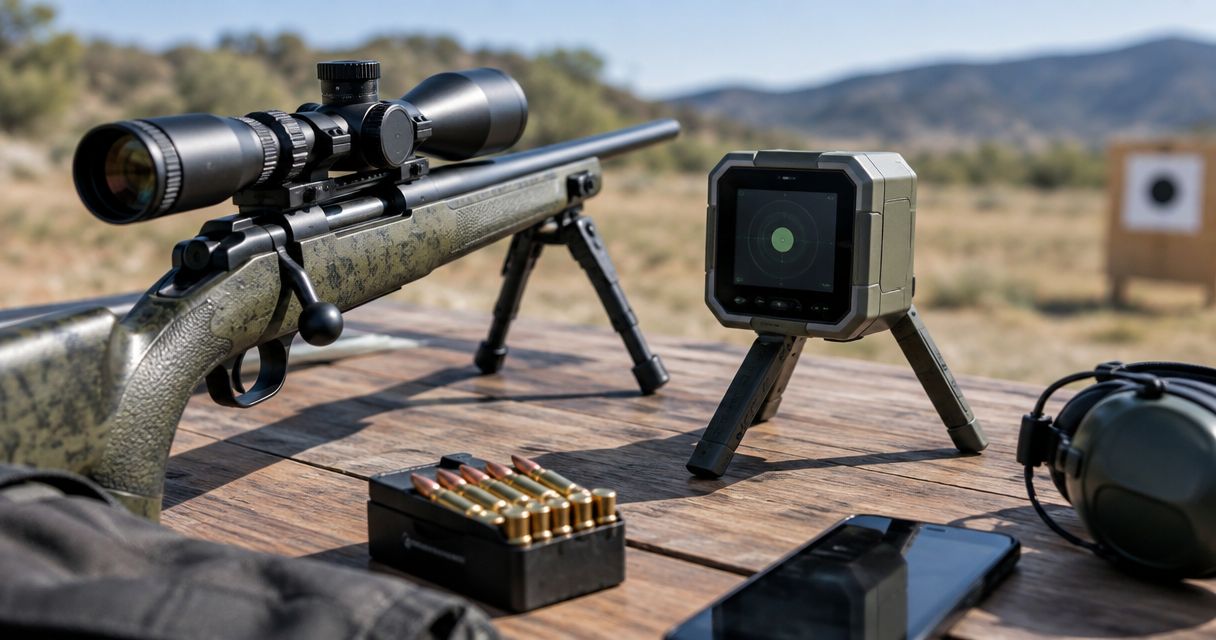
Longshotcameras target cameras are best for shooters who want to inspect shot impacts remotely, not measure bullet velocity. A chronograph and a target camera provide different evidence: one records speed, while the other shows impacts.
The camera’s advantage is remote target observation without walking downrange. Its limitation is equally clear: an impact image does not establish muzzle velocity or prove that the bullet remained subsonic.
When you use both types of equipment, keep target observations associated with the relevant shot sequence. That preserves the distinction between what the chronograph measured and what you observed on the target. A camera view never replaces a range cease-fire or permission to go downrange.
FAQ
Can a chronograph measure subsonic ammo accurately?
Yes, a chronograph can measure subsonic ammo when the projectile is within its supported velocity range and the setup meets the manufacturer’s requirements. Accuracy depends on the specific instrument and valid detection, not on whether the bullet breaks the sound barrier.
What speed is considered subsonic in feet per second?
Approximately 1,125 feet per second is the speed of sound in dry air at 68°F. The threshold changes with atmospheric conditions, especially temperature, so it is not a universal cutoff.
Is an optical or radar chronograph better for subsonic ammo?
Neither technology is automatically better for every subsonic application. Choose a model with documented velocity and projectile support, then compare its lighting, placement, alignment, and triggering requirements with your range setup.
Can I tell whether ammo is subsonic just by listening?
No, listening does not provide a reliable velocity measurement. Muzzle blast, firearm noise, and the shooting environment complicate what you hear; compare chronograph readings with local sound speed instead.
Does a suppressor make a chronograph reading invalid?
No, a suppressor does not automatically invalidate a chronograph reading. Follow the instrument’s instructions for suppressed firearms, including its placement and detection requirements.
Does a low average velocity mean every shot was subsonic?
No, an average below local sound speed does not prove every shot was subsonic. Check each valid reading, including the highest, and keep missed detections separate.
Can a Longshotcameras target camera replace a chronograph?
No, a Longshotcameras target camera shows shot impacts remotely rather than measuring projectile velocity. Use a chronograph for speed and a target camera for target observation.
One last thing
The easily overlooked detail is the measurement location. A bullet loses speed as it travels, so a subsonic reading downrange does not by itself prove the bullet left the muzzle below the sound barrier.
For every 2026 session, write down what velocity the instrument reports and where that velocity applies. That single habit prevents an accurate number from supporting the wrong conclusion. Keep the original readings, conditions, and equipment notes together so another session remains a comparison rather than a guess.