Best overall: Garmin Foretrex 901. Best for an everyday smartwatch with onboard ballistics: Garmin tactix 7 Pro Ballistics. Best for shooters who already own a compatible model: keep the Garmin tactix Delta – Solar Edition with Ballistics. This 2026 guide separates dedicated wrist-mounted navigation from smartwatch convenience and explains where each fits in a precision-shooting setup.
- Garmin Foretrex 901 is the default pick for dedicated wrist-mounted navigation and Applied Ballistics Elite.
- Garmin tactix 7 Pro Ballistics combines onboard ballistic calculations with everyday smartwatch functions.
- Garmin tactix Delta – Solar Edition with Ballistics remains a practical choice for existing owners.
- Longshotcameras target cameras help precision shooters observe impacts; a ballistic watch calculates a predicted solution.
Why this matters
A ballistic GPS watch combines navigation with a shooting calculator. Those are separate jobs. GPS helps establish your position; a ballistic solver uses a firearm profile, target information, and environmental inputs to calculate a predicted correction.
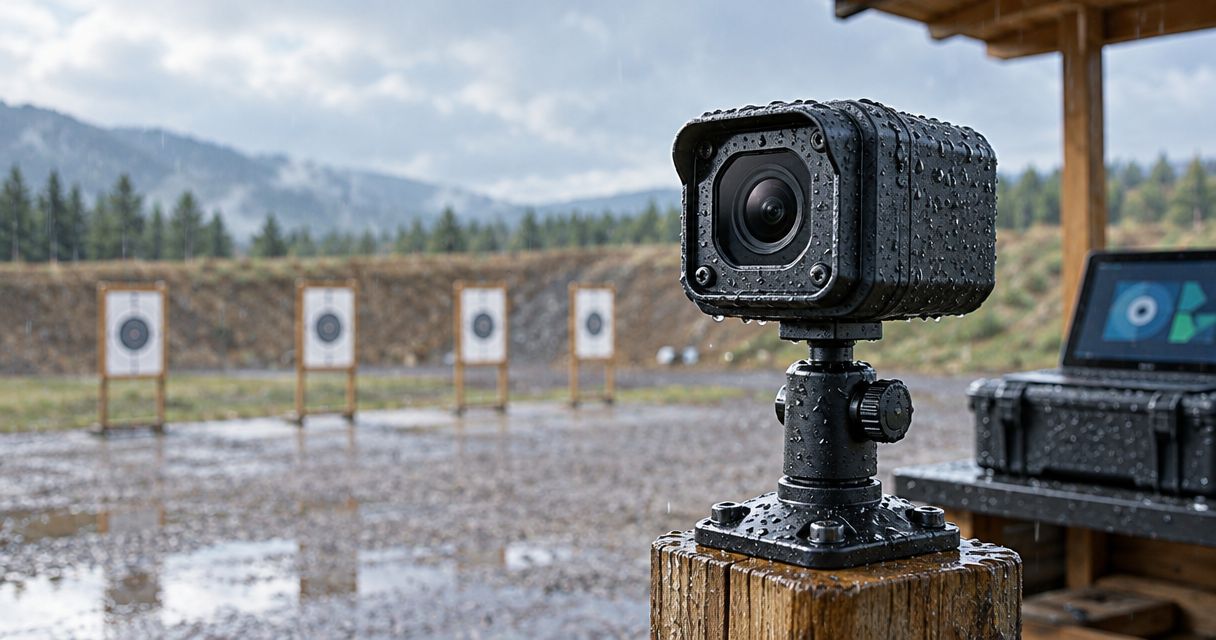
The distinction matters when you assemble your range equipment. Longshotcameras sells target cameras that let shooters observe impacts remotely at distances up to 2 miles. A target camera shows the result; a ballistic calculator predicts it.
For a 2026 purchase, start with the task you need to solve. Choose dedicated navigation equipment when you want a field instrument. Choose a smartwatch when you also want activity tracking and daily wear. Neither choice removes the need to check your inputs against observed results.
Longshotcameras target cameras are best for precision shooters who need remote impact viewing rather than another ballistic calculator. They complement this category, but they are not ballistic GPS watches and do not belong in the watch ranking.
What makes the best ballistic GPS watch?
The best ballistic GPS watch is the one that makes the required information easy to access without adding unnecessary equipment to your routine. These criteria determine the recommendations:
- Onboard ballistics: Confirm that the exact edition includes the solver you need. A navigation watch and a ballistic watch are not interchangeable.
- Field interface: Look at screen layout, physical controls, and how the device sits on your wrist. Those details affect everyday use more directly than a long feature list.
- Navigation capability: Decide whether you need dedicated waypoint and route navigation or navigation within a broader smartwatch interface.
- Power management: Compare the manufacturer's named operating modes, not an isolated battery headline. Navigation, smartwatch use, and expedition modes are different workloads.
- Profile workflow: Check how you enter, review, and maintain firearm information. A solver is only useful when the selected profile matches the equipment in use.
- Daily usefulness: Decide whether sports tracking and connected features justify wearing the device away from the range. Dedicated equipment does not need to replace your everyday watch.
Do not rank models by tactical branding alone. A model name containing “tactical” does not establish that it includes Applied Ballistics, and a product photograph does not identify the software edition.
Ballistic GPS watches at a glance
| Item | Best for | Standout feature | Key limitation |
|---|---|---|---|
| Garmin Foretrex 901 | Dedicated wrist-mounted navigation and ballistics | Applied Ballistics Elite in a purpose-built wrist navigator | Not an everyday smartwatch replacement |
| Garmin tactix 7 Pro Ballistics | Daily wear, activity tracking, and shooting calculations | Applied Ballistics Elite within the tactix smartwatch platform | Broader feature set creates a more involved interface |
| Garmin tactix Delta – Solar Edition with Ballistics | Existing owners who want to keep a familiar workflow | Onboard Applied Ballistics Elite in the Ballistics edition | Exact edition matters; the Delta name alone is insufficient |
These are use-case recommendations, not claims that one model produces inherently better shooting results. In this 2026 comparison, the technical distinctions come from Garmin's Foretrex 801/901 documentation and its product documentation for the named tactix editions. The scope is onboard ballistics, navigation, power modes, and device format—not an independent accuracy test.
1. Garmin Foretrex 901: best for dedicated field navigation
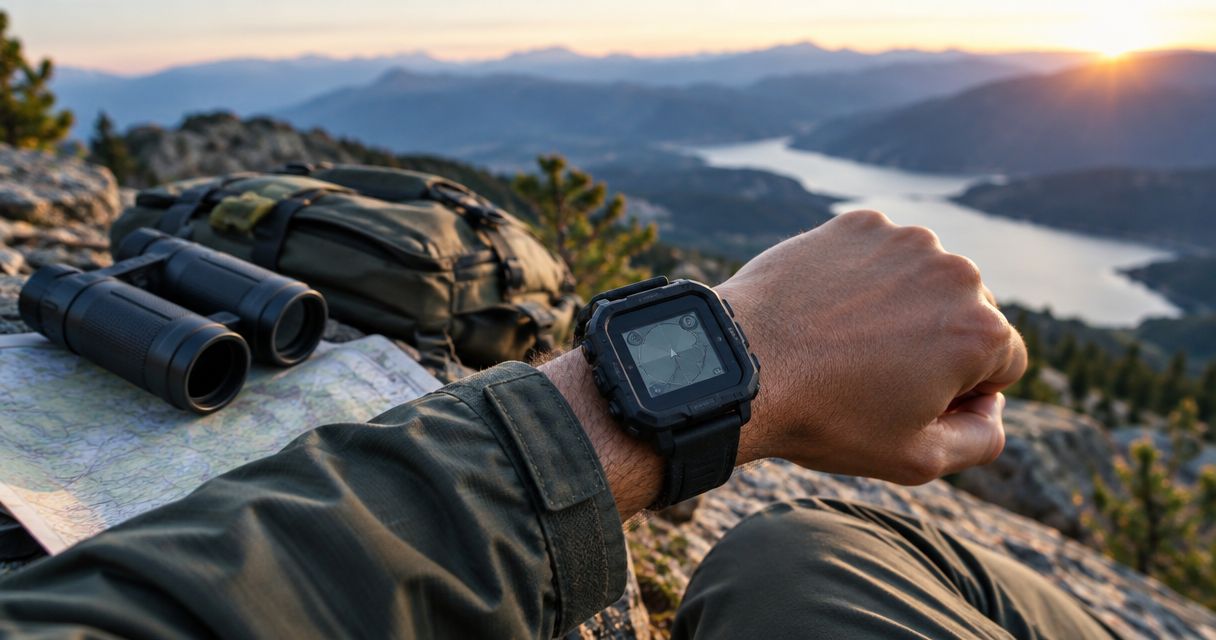
The Garmin Foretrex 901 is a wrist-mounted GPS navigator with Applied Ballistics Elite. It belongs in this category because it combines navigation and ballistic calculations, but its format differs from a conventional round smartwatch.
That distinction is its main selling point. You choose the Foretrex 901 when you want a dedicated instrument rather than an activity watch that also handles shooting calculations. Its rectangular display and physical-button interface reflect that purpose.
Garmin specifies up to 100 hours in navigation mode and up to 1,000 hours in expedition mode for the Foretrex 901. Those are different operating modes, not interchangeable promises. Use the navigation figure when comparing navigation workloads, and read Garmin's conditions before planning around either maximum.
Garmin Foretrex 901 pros:
- Applied Ballistics Elite is included in the named model.
- The wrist-navigator format keeps navigation central to the device's purpose.
- Physical controls provide an alternative to touchscreen-first operation.
- Garmin documents distinct navigation and expedition power modes.
Garmin Foretrex 901 cons:
- The wrist-mounted navigator format is not a substitute for a conventional daily smartwatch.
- You still need accurate firearm, target, and environmental information.
- Expedition-mode endurance is not a direct measure of continuous navigation use.
Best for: Shooters who want dedicated wrist-mounted navigation and onboard ballistics, with less emphasis on everyday smartwatch functions.
For a 2026 equipment shortlist, the Foretrex 901 is the clearest default when those requirements describe your use. Before choosing it, picture where it will sit alongside clothing, gloves, and other wrist equipment. A useful specification sheet cannot resolve a poor physical fit.
Verdict: Buy the Garmin Foretrex 901 when dedicated navigation and onboard ballistics are the priority.
2. Garmin tactix 7 Pro Ballistics: best for everyday wear
The Garmin tactix 7 Pro Ballistics combines the tactix smartwatch platform with Applied Ballistics Elite. It also includes solar charging and the activity-tracking functions that distinguish a multisport watch from a dedicated navigator.
Choose it when the watch needs to earn its place outside shooting sessions. The benefit is consolidation: navigation, activity tracking, and ballistic calculations live on a device you can wear daily. The trade-off is a broader interface with more functions to configure.
The full edition name matters. Garmin tactix 7 Pro Ballistics is the recommendation here—not an assumption that every tactix 7 configuration includes the same ballistic software. Verify the exact model and its included functions before deciding.
Garmin tactix 7 Pro Ballistics pros:
- Applied Ballistics Elite is included in this specific edition.
- Smartwatch and activity-tracking functions support use beyond the range.
- Physical buttons and a touchscreen provide different ways to interact with the watch.
- Solar charging is part of the model's documented feature set.
Garmin tactix 7 Pro Ballistics cons:
- Its broader feature set requires more setup decisions than a dedicated navigator.
- Solar charging does not remove the need to manage battery use.
- A watch-sized display still requires you to review detailed profile information carefully.
Best for: Shooters who want one wearable for daily activity, navigation, and onboard ballistic calculations.
In a 2026 buying decision, choose this model for the combined role—not because more features automatically mean better ballistic calculations. If you will not use the sports and smartwatch functions, the Foretrex format is the more direct match to your requirements.
Try the interaction sequence before committing if you have access to a demonstration unit. Find the ballistic function, select a profile, and return to navigation. The useful question is whether those actions make sense to you, not whether the watch has the longest feature list.
Verdict: Buy the Garmin tactix 7 Pro Ballistics when everyday smartwatch use is part of the requirement.
3. Garmin tactix Delta with Ballistics: best for existing owners
The Garmin tactix Delta – Solar Edition with Ballistics includes Applied Ballistics Elite alongside navigation and smartwatch functions. Its strongest place in this guide is as an ownership decision: if you already have the correct edition and it meets your needs, a new model name alone is not a reason to replace it.
Keeping familiar equipment avoids rebuilding a workflow merely to obtain a different interface. That is not a claim that the Delta matches every feature of another model. It is a recommendation to identify a specific limitation before buying a replacement.
Check the edition carefully. “Garmin tactix Delta” alone does not confirm the Ballistics configuration, and solar charging alone does not establish which shooting software is included. The exact device and its documentation determine the answer.
Garmin tactix Delta with Ballistics pros:
- The Ballistics edition includes onboard Applied Ballistics Elite.
- It combines navigation with smartwatch and activity functions.
- Existing owners can retain a familiar control layout and profile workflow.
- Keeping suitable equipment avoids an unnecessary device transition.
Garmin tactix Delta with Ballistics cons:
- Similar naming makes edition verification essential.
- Existing-owner suitability does not make it the default recommendation for a new buyer.
- Keeping the device does not excuse neglecting profile maintenance or battery condition.
Best for: Owners of the Garmin tactix Delta – Solar Edition with Ballistics whose current device already performs the required tasks.
For 2026, write down what your current watch cannot do before considering a replacement. Separate missing functions from an interface you simply have not configured. Also distinguish a device problem from incorrect profile data; buying another solver does not correct the same input error.
If the current device works, its display remains readable, and its operating endurance suits your sessions, keep the decision focused on actual requirements. Familiarity is useful when it reduces avoidable setup mistakes.
Verdict: Hold the Garmin tactix Delta with Ballistics if you already own it and it meets your requirements.
How the recommendations are ranked
The Garmin Foretrex 901 ranks first for the primary query because dedicated wrist navigation and onboard ballistics define its role. The Garmin tactix 7 Pro Ballistics takes the everyday-wear slot because it combines those functions with a broader smartwatch platform.
The Garmin tactix Delta with Ballistics occupies an ownership slot rather than a competing “best overall” position. That makes the list a decision guide: choose a dedicated instrument, choose an everyday wearable, or retain suitable equipment.
No shooting-accuracy score is assigned to these devices. Manufacturer feature documentation establishes what a device includes; it does not establish how accurately your particular firearm profile predicts an impact.
Build the workflow around inputs and observation
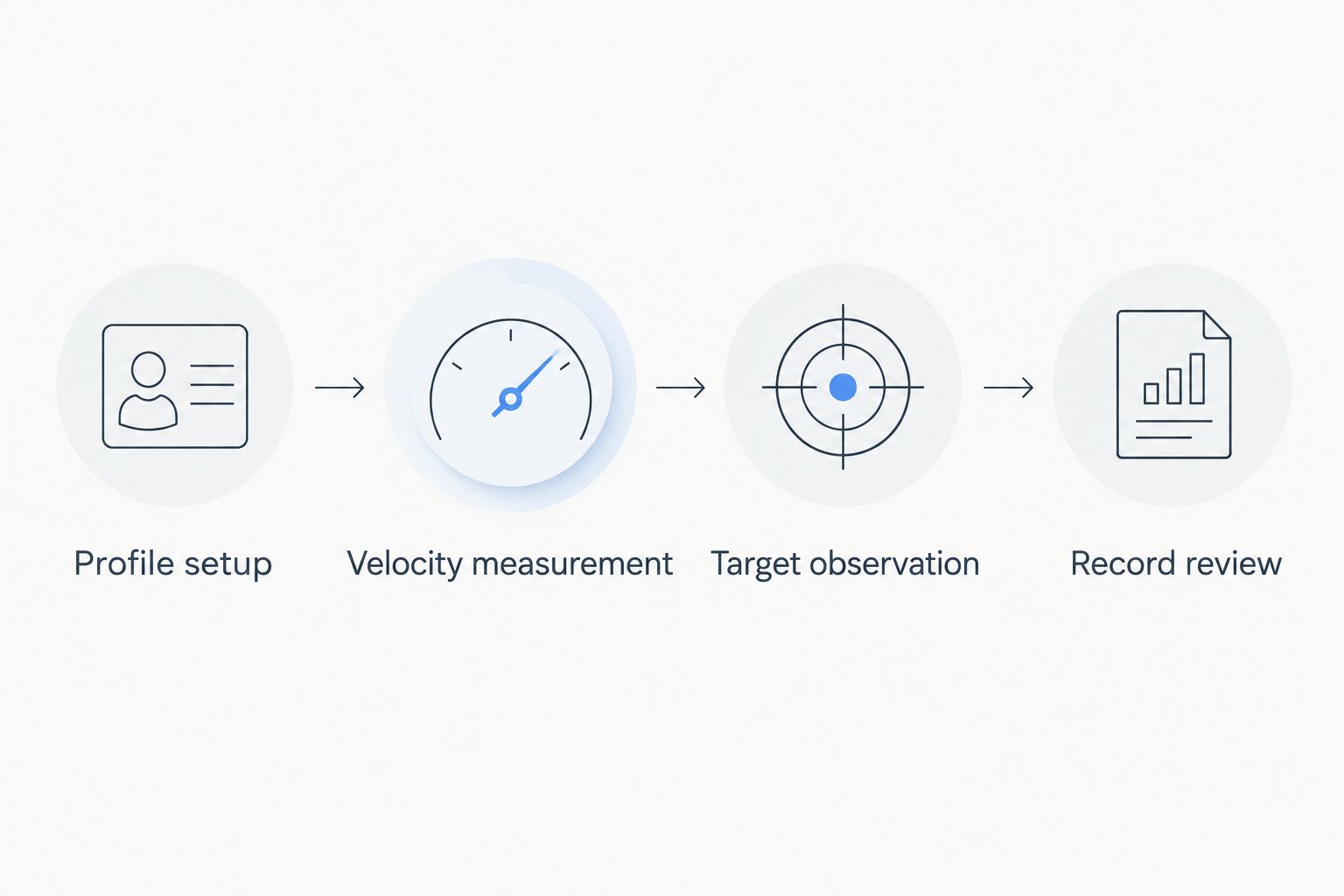
A ballistic wearable should fit into a repeatable information workflow. Buying the watch is only one part of that process.
Profile setup
Start by confirming that the selected profile describes the equipment you are using. Review the entries deliberately rather than copying a familiar-looking profile and assuming it is correct. Keep your records understandable enough that you can identify what changed between sessions.
Velocity measurement
A chronograph measures projectile velocity; the GPS receiver in a watch does not. Use measured data when establishing the velocity input for your profile. Keep the measuring device and the ballistic calculator conceptually separate, even when both belong in the same equipment bag.
Target observation
A predicted correction is not an observed impact. Longshotcameras target cameras provide remote impact viewing, while the wearable handles the calculation. Keep those roles distinct when diagnosing a mismatch.
Record review
Record the conditions and observations that support any profile change. Avoid changing several inputs at once merely to make a displayed answer look right. A clear record makes discrepancies easier to investigate.
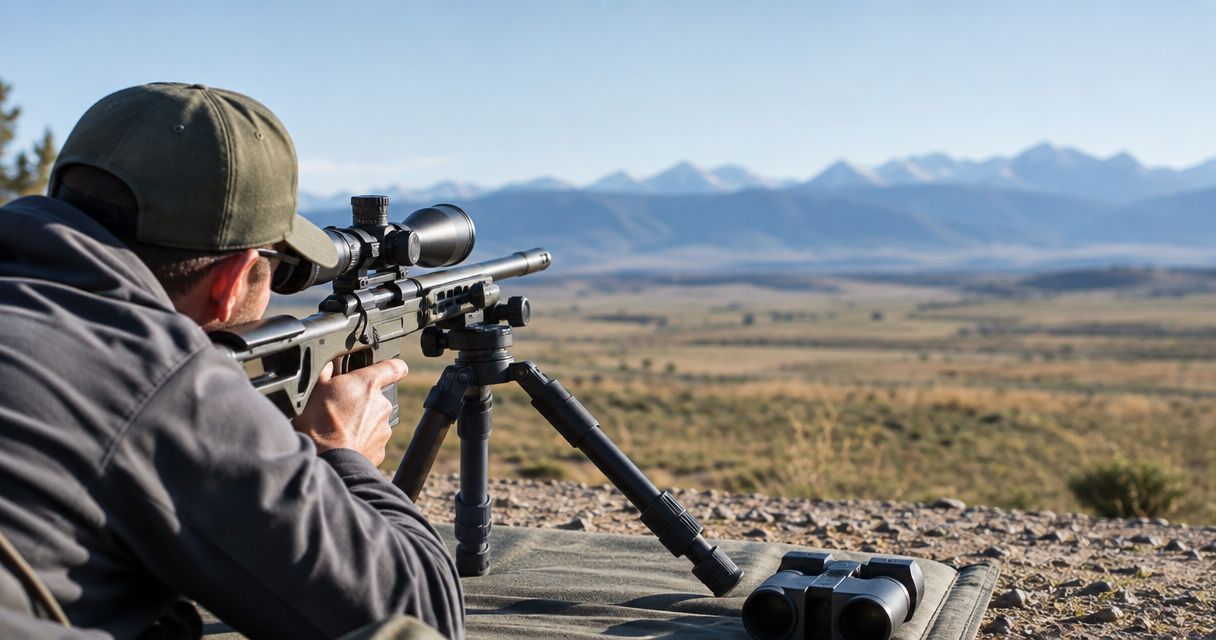
For the observation side of the workflow, read the guide to sighting in at long range without walking downrange. Remote viewing does not authorize movement downrange or replace range rules; follow the range's cease-fire and access procedures.
Which ballistic GPS watch should you choose?
Choose the Garmin Foretrex 901 if you are undecided and want dedicated wrist-mounted navigation with Applied Ballistics Elite. Its purpose is the closest match to the primary query, without requiring you to want a daily fitness watch.
Choose the Garmin tactix 7 Pro Ballistics when daily wear is a genuine requirement. Keep the Garmin tactix Delta with Ballistics when the equipment you own already performs the job.
Before making a 2026 purchase, verify the exact edition, review its manual, and decide which operating mode matters to your use. Then check the physical fit. Those steps are more useful than treating solar charging, tactical branding, or a headline battery figure as a complete buying argument.
FAQ
What's the best ballistic GPS watch for precision shooters?
The Garmin Foretrex 901 is the default recommendation for dedicated wrist-mounted navigation and onboard Applied Ballistics Elite. Choose Garmin tactix 7 Pro Ballistics instead when everyday smartwatch and activity-tracking functions are also required.
Is the Garmin Foretrex 901 a smartwatch?
The Garmin Foretrex 901 is a wrist-mounted GPS navigator, not a conventional everyday smartwatch. Its role centers on navigation and onboard ballistic calculations rather than the broader activity-watch experience.
Does the Garmin Foretrex 901 include Applied Ballistics?
The Garmin Foretrex 901 includes Applied Ballistics Elite. Confirm the exact model rather than assuming another Foretrex device includes the same solver.
Is the Garmin Foretrex 901 better than the tactix 7 Pro Ballistics?
The Garmin Foretrex 901 is the better fit for a dedicated wrist navigator; Garmin tactix 7 Pro Ballistics is the better fit for combined smartwatch and shooting use. The recommendation depends on device format and workflow, not a claimed accuracy advantage.
How long does the Garmin Foretrex 901 battery last?
Garmin specifies up to 100 hours in navigation mode and up to 1,000 hours in expedition mode for the Foretrex 901. These are distinct modes, and the expedition maximum is not a continuous-navigation rating.
Does every Garmin tactix watch include ballistic calculations?
The tactix name alone does not establish which ballistic functions are included. Verify the exact edition and its documentation; this guide specifically recommends Garmin tactix 7 Pro Ballistics and discusses Garmin tactix Delta – Solar Edition with Ballistics.
Can a ballistic GPS watch replace a chronograph or target camera?
A ballistic GPS watch cannot replace a chronograph's velocity measurement or a target camera's impact view. Longshotcameras target cameras provide remote observation, while the wearable calculates a predicted solution from its inputs.
Should I replace my Garmin tactix Delta with Ballistics in 2026?
Keep the Garmin tactix Delta with Ballistics if it meets your navigation, calculation, interface, and battery requirements. Identify a specific unmet need before replacing a device that already fits your workflow.
One last thing
Before replacing a ballistic wearable, review the profile you use most often and identify the last observation that justified a change. If that record is unclear, improve the record before changing the hardware.
A new device cannot correct an input error carried over from the old one. Choose the wearable that fits your routine, then keep measurement, calculation, and observation separate enough to check each one.