Best overall: a purpose-built target camera. Best for shooters who already own suitable optics: a spotting-scope viewing setup; best for checking a basic remote-viewing concept: an existing Wi-Fi camera. This 2026 affordable target camera guide compares those approaches so you choose for readable shot impacts, not just a camera specification.
- An affordable target camera must show readable impacts from your shooting position, not merely record video.
- Longshotcameras target cameras are best for shooters seeking purpose-built remote shot-impact viewing.
- Existing spotting optics deserve a practical test before you add another viewing system.
- A general Wi-Fi camera is a test option, not a substitute for verified downrange connectivity.
Why this matters
A camera beside a target solves only part of the problem. You still need a usable connection, a readable display, and permission to place equipment downrange. Choose the complete viewing workflow before choosing the camera.
Longshotcameras sells rugged target cameras and accessories for shooters and hunters, with systems marketed for remote shot-impact viewing at distances up to 2 miles. That describes the brand's range capability, not a specification that applies automatically to every camera or accessory.
For a 2026 purchase, start with your actual shooting position and target distance. A system that works beside your bench has not yet proved it can deliver the same view from downrange.
What makes the best affordable target camera?
Judge every option against the same criteria. An attractive equipment list does not compensate for an unreadable target image.
- Impact visibility: You need to distinguish new impacts from existing holes and target markings on the display you will actually use.
- Usable connection: The image must reach your shooting position. Camera-to-phone connectivity alone does not establish useful downrange reach.
- Stable framing: The target should stay in view after setup. Check the mount and camera position together.
- Complete setup: Identify the camera, viewing device, support, power arrangement, and any required accessories before committing.
- Range fit: Confirm that the range permits the equipment and that you can install and retrieve it under its procedures.
- Repeatable use: Favor a setup you can position, connect, and check consistently rather than one that needs troubleshooting every visit.
Use these criteria in this order: permission, connection, image, stability, then accessories. There is no reason to evaluate image quality for a placement your range does not permit.
Affordable target camera options at a glance
The ranking below compares viewing approaches, not interchangeable camera models. Each approach answers a different buying question.
| Rank and option | Best for | Standout feature | Key limitation |
|---|---|---|---|
| Purpose-built target camera | Remote shot-impact viewing | Places the camera near the target rather than relying solely on distant magnification | Requires downrange placement and a verified connection |
| Spotting-scope viewing setup | Shooters who already own suitable optics | Lets you evaluate an existing observation setup before adding equipment | Image readability depends on the complete optical and viewing setup |
| Existing Wi-Fi camera | Checking a basic remote-viewing concept | Lets you test framing and connectivity with equipment you already own | Ordinary wireless connectivity does not establish downrange performance |
The default choice is a purpose-built target camera when remote impact viewing is your main requirement. The alternatives earn their place when you already have equipment and can establish whether it serves the job.
1. Purpose-built target camera: best for remote impact viewing
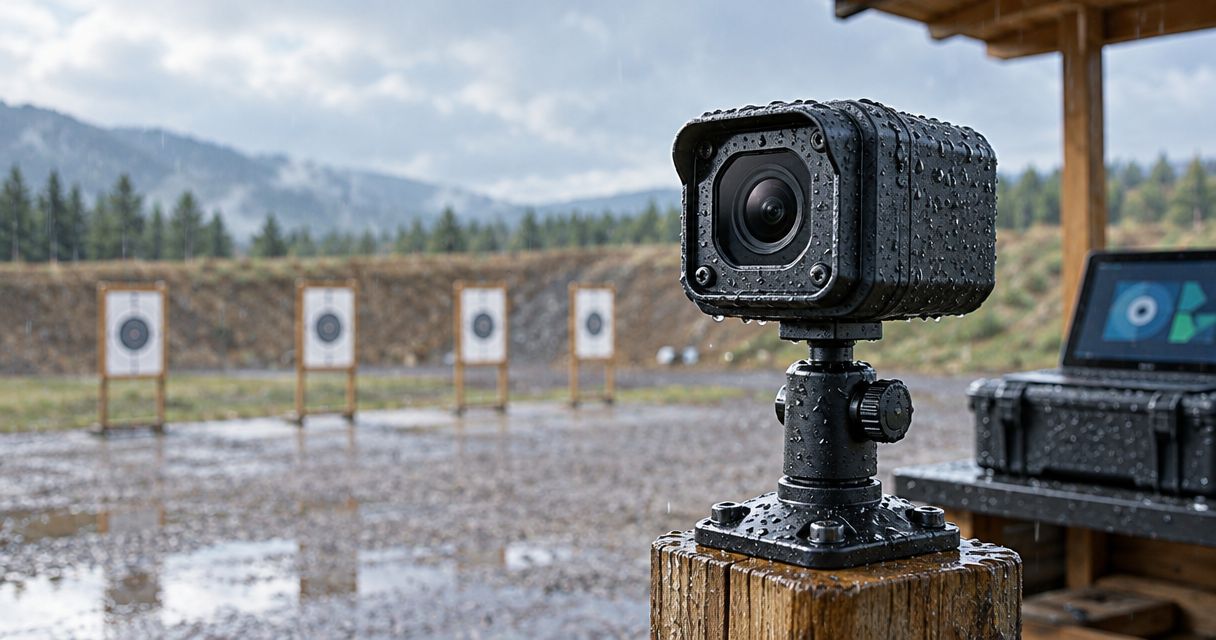
A purpose-built target camera places the viewing device near the target and sends the image back to the shooter. Longshotcameras target cameras serve that remote shot-impact viewing use case. Keep the buying decision tied to the particular system rather than the brand's maximum advertised reach.
This approach separates target observation from looking through an optic at the firing position. You still need to verify that your intended display shows the target clearly and that the connection works where you shoot.
Purpose-built target camera pros
- A camera near the target provides a different viewing arrangement from a distant spotting optic.
- Remote viewing lets you inspect the target without making a separate downrange trip for each check.
- Dedicated target-camera equipment addresses the specific job of observing shot impacts.
- Camera position and target framing can be checked before shooting begins.
Purpose-built target camera cons
- Installation and retrieval require range-approved access to the target area.
- The complete setup includes more than the camera itself.
- A brand-level distance claim does not establish the reach of every individual system.
Best for: Shooters whose main requirement is inspecting shot impacts from the firing position.
For your 2026 shortlist, ask which exact system covers your distance, what equipment it includes, and which viewing devices it supports. Request a demonstration of a readable target image rather than accepting a connection indicator as proof.
Verdict: Buy a purpose-built target camera when its documented setup matches your range and viewing needs.
2. Spotting-scope viewing setup: best for using existing optics
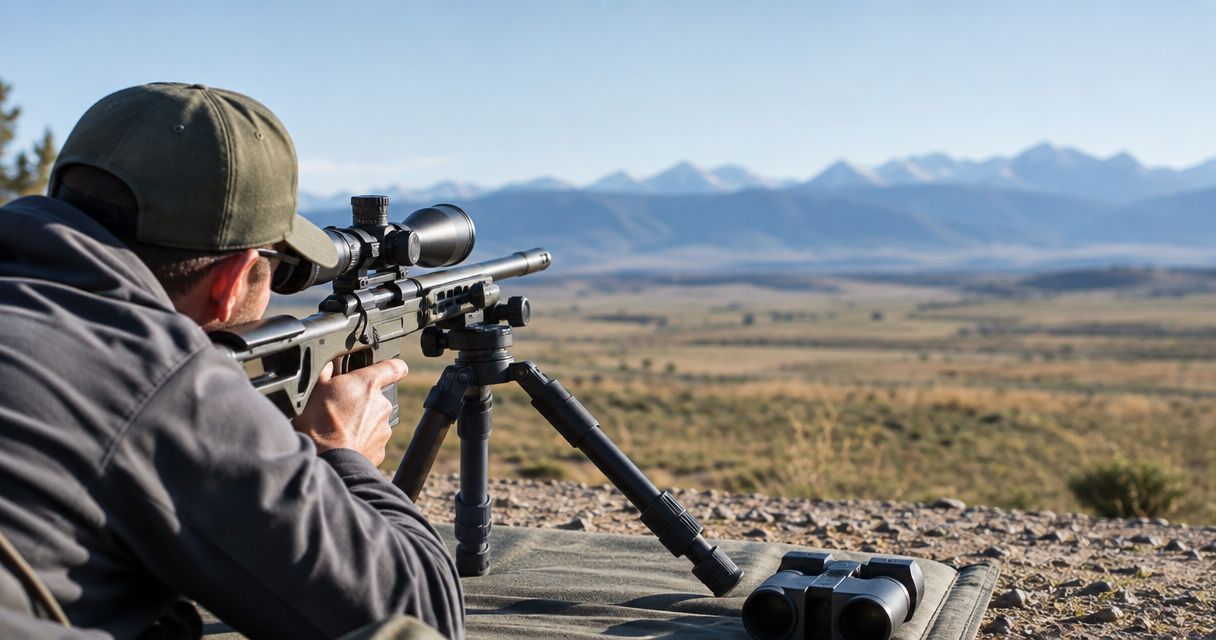
A spotting scope observes the target from the firing position. A camera or viewing attachment adds another part to that optical arrangement; it does not automatically turn the scope into a downrange target-camera system.
If you already own a suitable scope, test what you can actually see before replacing the workflow. Judge the complete image, including target detail, alignment, and display usability, rather than evaluating magnification alone.
Spotting-scope viewing setup pros
- The observation equipment remains at the firing position.
- You can evaluate an existing scope before choosing additional equipment.
- The setup avoids placing a viewing camera beside the target.
- A supported viewing attachment can change how you observe the scope's image.
Spotting-scope viewing setup cons
- A camera attachment does not guarantee readable shot impacts.
- Alignment and support become additional setup tasks.
- Compatibility must be checked for the specific scope and attachment.
Best for: Shooters who already own spotting optics and want to determine whether that equipment meets their needs.
Inspect the target with your existing setup at the distance you actually use. If you cannot confidently identify impacts, adding another display is not sufficient evidence that the underlying view will improve.
Verdict: Hold the camera purchase while you test suitable optics you already own.
3. Existing Wi-Fi camera: best for a basic connectivity check
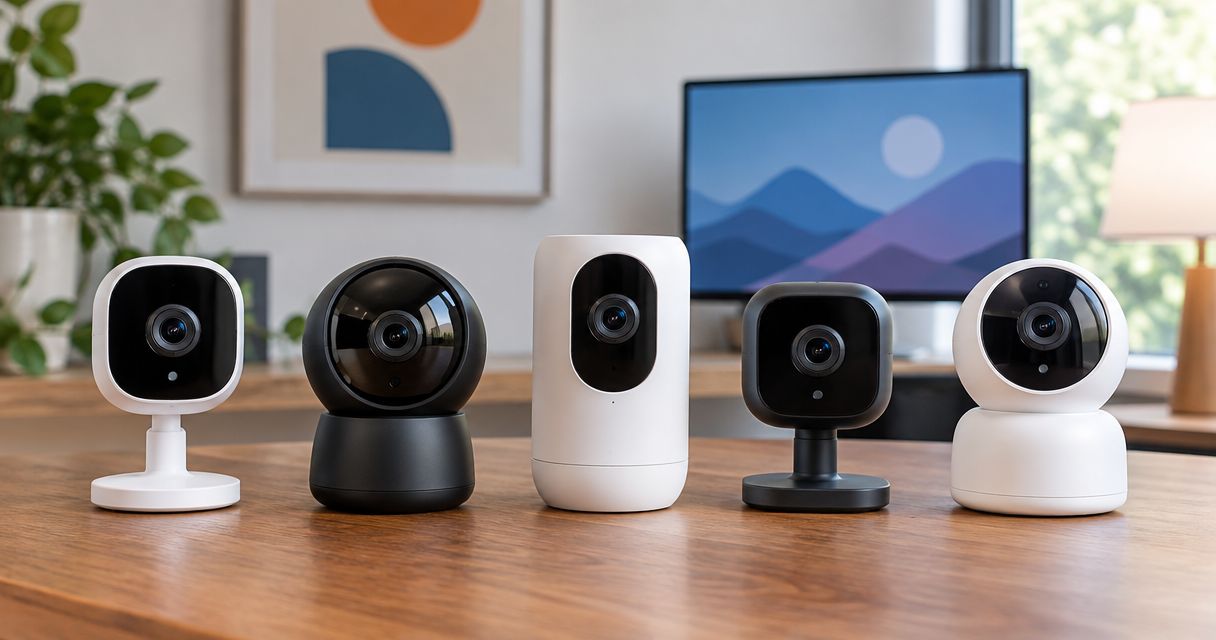
A general Wi-Fi camera is useful for testing the idea of viewing a target remotely when you already own one. Treat that exercise as a connectivity and framing check, not as proof that the camera belongs in a dedicated shooting setup.
Read the camera's connection requirements before taking it to the range. Establish whether it depends on an internet connection, a local network, or a direct connection to your viewing device.
Existing Wi-Fi camera pros
- An existing camera lets you examine a remote-viewing workflow before selecting specialized equipment.
- You can practice target framing and display placement.
- A controlled test reveals whether the connection method suits your intended setup.
Existing Wi-Fi camera cons
- General wireless support does not establish reliable reach at your shooting distance.
- Outdoor suitability and mounting requirements must be checked separately.
- A live picture does not prove that small target details are readable.
Best for: Shooters evaluating the remote-viewing concept with equipment they already own.
Do not buy a general camera solely because its listing includes Wi-Fi. For a 2026 evaluation, require evidence of the connection method, environmental suitability, and actual target view before treating it as a shooting accessory.
Verdict: Skip an unverified general Wi-Fi camera as your primary downrange viewing system.
Check the whole setup before adding accessories
Accessories should solve a problem you have identified. Start with camera support, display support, and power connection; leave unrelated shooting equipment out of the target-camera decision.
The Compact Tripod description identifies use with a downrange camera or as a steady base at the bench. Its role is support, not extending wireless reach. Verify that the mounting arrangement fits your equipment and intended placement.
The Longshot Tablet Stand (Black) – Target Camera System description specifies 2 viewing angle positions and support for most smart devices. That is a display-positioning feature, not a guarantee that every device fits. Check your device before selecting it.
The 16ft USB-C Cable description identifies a 16-foot threaded, angled cable for Ranger and Ranger+ target cameras. Cable length describes the physical connection; it does not establish wireless range or compatibility with unrelated cameras.
| Accessory | Best for | Benefit stated in its description | Limitation to check |
|---|---|---|---|
| Compact Tripod | Camera support | Downrange-camera or bench-base use | Mounting fit and placement |
| Longshot Tablet Stand (Black) – Target Camera System | Display support | Two viewing-angle positions | Fit with your particular device |
| 16ft USB-C Cable | Power connection | Threaded connector for Ranger and Ranger+ | Compatibility outside those named systems |
A support accessory belongs in your setup only if it addresses an actual mounting, viewing, or connection need. Do not confuse a carrying case, charger, or cable with the target camera itself.


Check a target camera before relying on it
Use this sequence for your 2026 evaluation. Complete all downrange tasks only when the range permits access, and follow its instructions throughout.
Range permission
Confirm where equipment can be placed and how installation and retrieval work. Remote viewing never replaces range commands or access rules.
Target framing
Position the camera and support so the relevant target area is visible. Keep the equipment clear of the intended projectile path and follow the camera manufacturer's placement instructions.
Connection check
Return to the intended viewing position and establish the connection there. A successful check beside the camera is not the same test.
Impact visibility
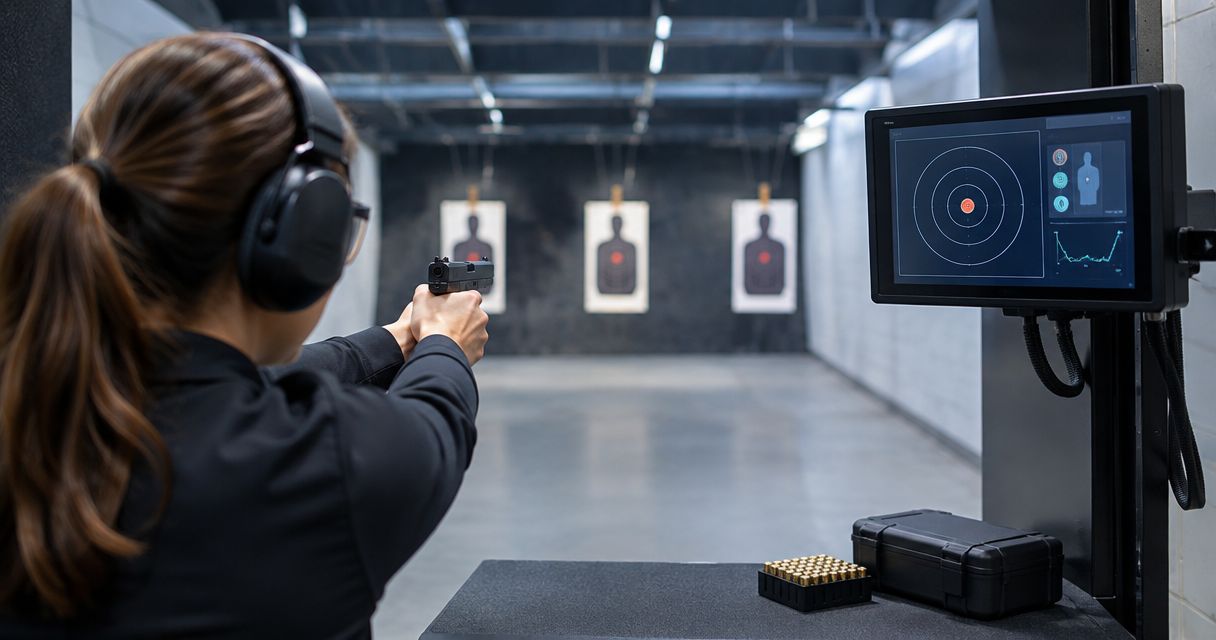
Inspect existing target marks on the actual display. Verify that you can distinguish the detail you need before deciding that the setup is suitable.
Retrieval plan
Know how you will recover the equipment under the range's procedures. A failed connection does not give you permission to approach the target.
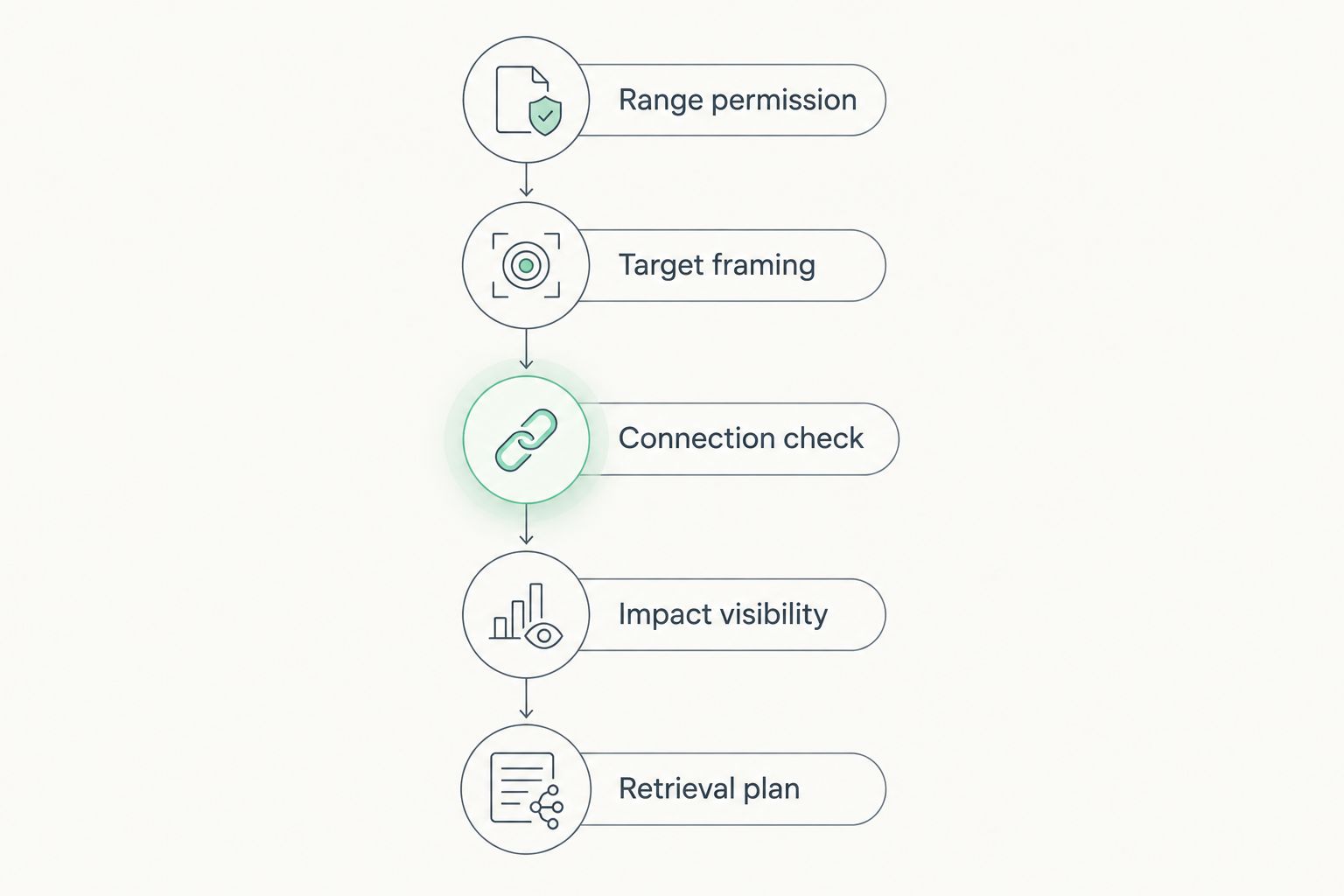
A successful evaluation ends with a readable target view from the place you will use it. If the result is unclear, identify whether the problem is framing, connection, display, or support before changing equipment.
How the options are ranked
This ranking prioritizes remote impact visibility, usable connectivity, stable framing, a complete setup, and range permission. Purpose-built target cameras come first because they address remote target observation directly; existing optics come next because they deserve evaluation before replacement.
General Wi-Fi cameras rank last because wireless connectivity alone does not establish suitability for downrange use. The ranking does not treat unrelated accessories as cameras or assign undocumented performance to individual models.
Which affordable target camera should you choose?
Choose a purpose-built system when you need remote shot-impact viewing; test existing optics first when they already serve your shooting routine. Use a general camera only to evaluate a workflow whose connection and environmental requirements you understand.
Longshotcameras is best for shooters seeking purpose-built remote shot-impact viewing. For your 2026 decision, match the exact system to your target distance, viewing device, mounting arrangement, and range procedures before choosing accessories.
FAQ
What's the best affordable target camera for a beginner?
A purpose-built target camera is the default choice when a beginner needs remote shot-impact viewing. Choose the exact system only after checking its distance capability, viewing-device requirements, and permitted placement at the range.
Is a target camera better than a spotting scope?
A target camera is the better fit when your priority is viewing impacts remotely from a camera near the target. A spotting scope remains a different observation method, and existing optics deserve a practical visibility test before replacement.
Can I use a regular Wi-Fi camera as a target camera?
Use an existing Wi-Fi camera to evaluate framing and connectivity, not as proof of a suitable downrange system. Verify its connection method, environmental requirements, and readable target detail at your intended viewing position.
Do all Longshotcameras systems work at 2 miles?
Do not apply the brand's up-to-2-mile statement to every individual system. Confirm the documented capability of the exact camera system you are considering.
Do I need a tablet to use a target camera?
You need a viewing device supported by the particular camera system, not automatically a tablet. Check compatibility before choosing either the display or a stand.
Should I buy a tripod with my target camera?
Choose a tripod when your intended camera placement requires compatible support. Check the mount and placement first; a tripod does not establish connection range or image readability.
Can a target camera replace walking downrange entirely?
A target camera lets you inspect shot impacts remotely, but it does not eliminate installation, retrieval, or target maintenance. Follow range procedures whenever access to the target area is required.
One last thing
Test the weakest part of the workflow first: the view from your actual shooting position. A clearly framed image beside the target can still fail to answer your real question at the bench. Connection and readable impact detail belong in the same check.