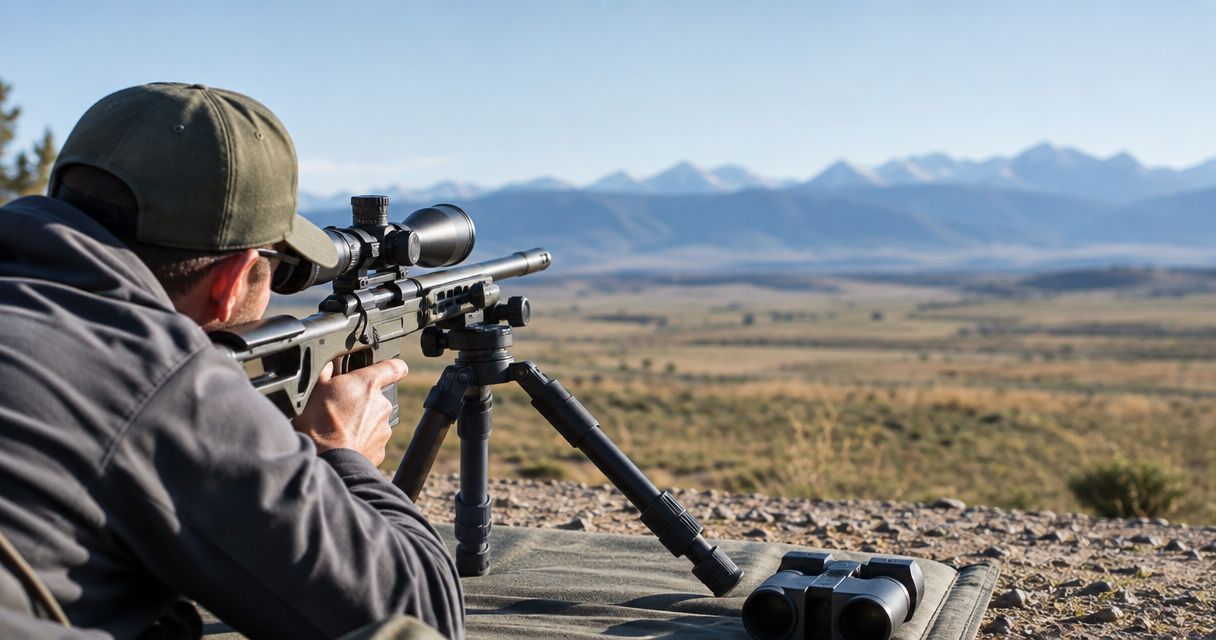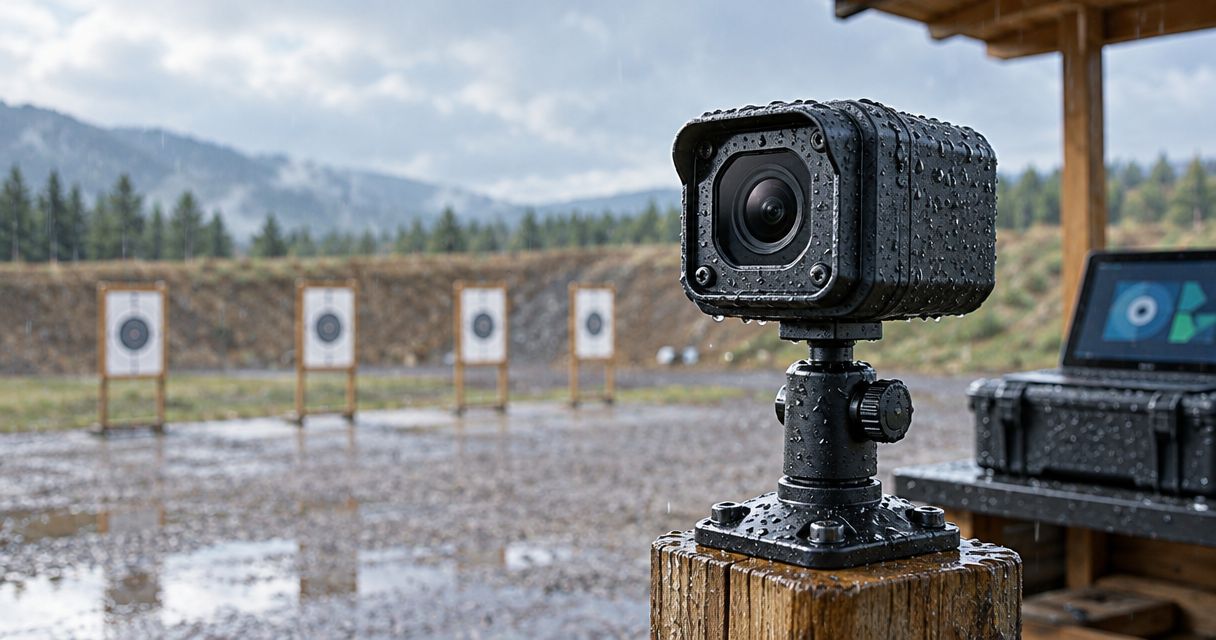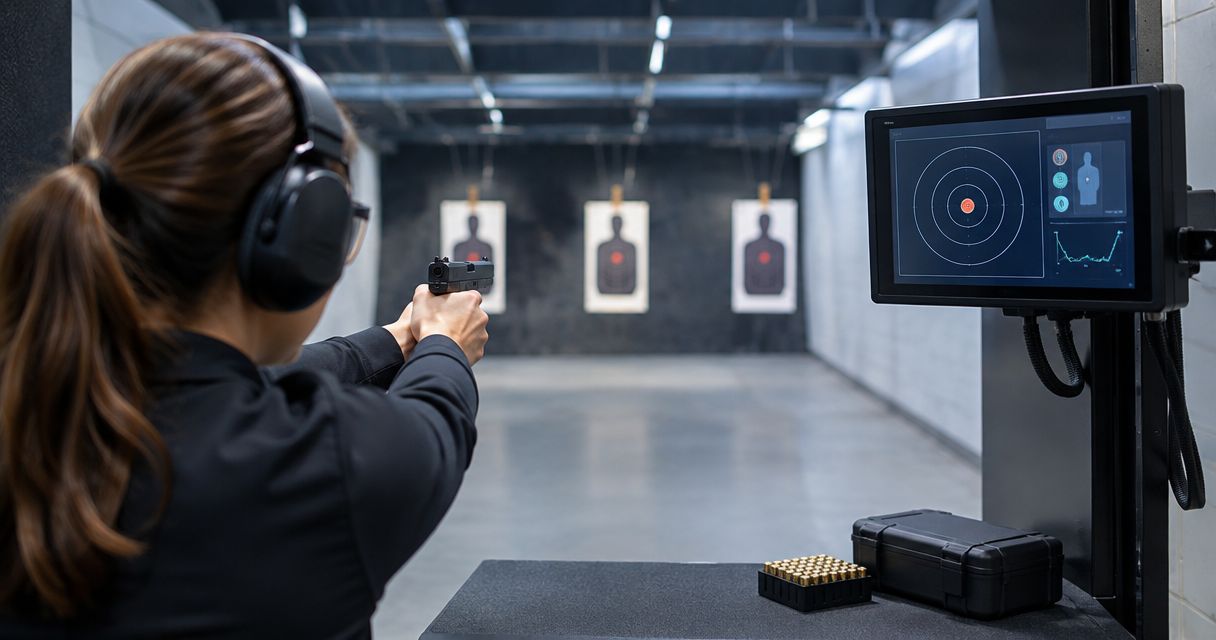
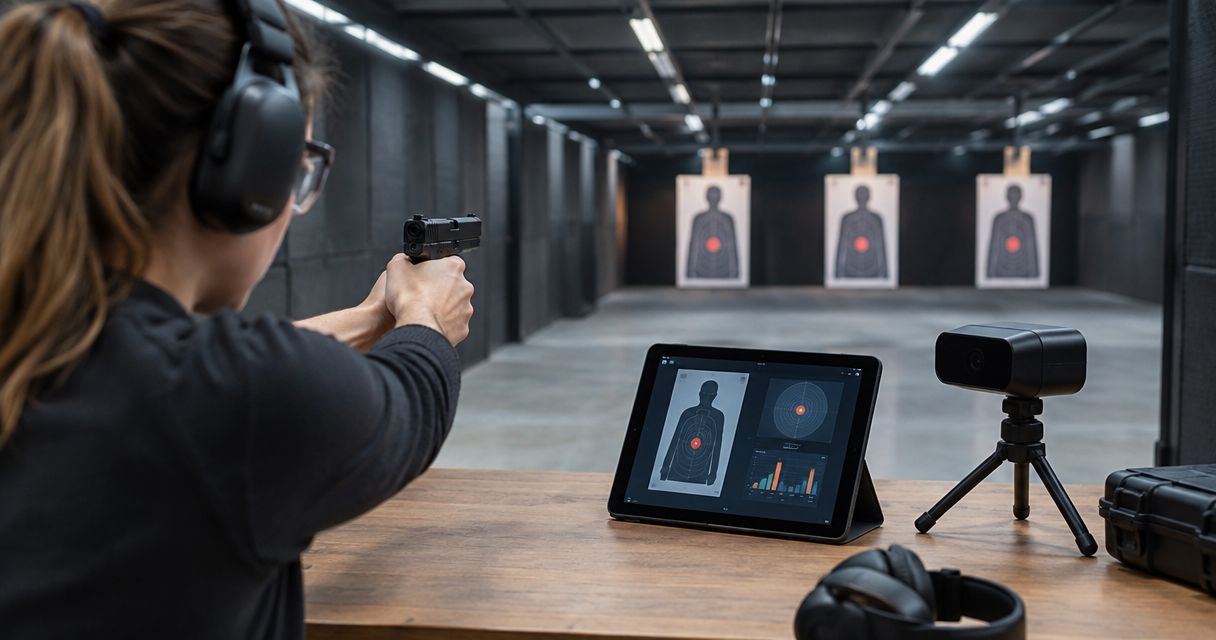
Best default for one target: a single-target camera setup; best for two camera positions: the Longshot LR-3 2 Camera Kit; best for three camera positions: the Longshot LR-3 3 Camera Kit; best for clubs: the Longshot Competition Kit. This 2026 indoor target camera guide helps you choose a configuration from Longshotcameras around range permission, target visibility, and the number of views you actually need.
- Choose an indoor target camera around range permission and readable shot impacts, not maximum transmission distance.
- A single-target camera setup is the default for one fixed target and one shooter.
- The Longshot LR-3 2 Camera Kit fits buyers planning two camera positions.
- The Longshot LR-3 3 Camera Kit fits buyers planning three camera positions.
- The Longshot Competition Kit is intended for clubs and organizations, including scoring use.
Why this matters
An indoor target camera puts the target image at your shooting position. That is useful only when the camera can stay in an approved location, show the target clearly, and deliver a usable view at the bench. A long transmission-distance claim does not answer those questions.
Longshotcameras target cameras let shooters view shot impacts remotely at distances up to 2 miles. Treat that as a description of the brand's long-distance offering, not a promise about reception through your range's walls, partitions, or covered firing line.
For indoor use in 2026, choose the simplest approved setup that shows your target clearly. Add camera positions only when each additional view has a defined job. A camera purchase does not change the range's cease-fire procedures or permission to enter the target area.
What makes the best indoor target camera?
Use these six criteria before comparing configurations. They determine whether the system solves your actual range problem rather than adding equipment to the bench.
- Range permission: Confirm that personal cameras, mounts, and downrange placement are permitted. Ask where equipment can stand and when you can install or retrieve it.
- Target readability: Judge the image using your target design and the impacts you need to distinguish. A visible target is not necessarily a readable target.
- Actual signal path: Check the intended camera and viewing-device positions together. An unobstructed outdoor distance claim is not a substitute for that check.
- Camera count: Match the configuration to the views you need. Two camera positions and three camera positions are different requirements, not automatic upgrades.
- Physical clearance: Keep equipment out of the projectile path and any target-carrier movement. Placement must also meet the facility's rules.
- Session workflow: Decide who sets up the cameras, who watches the images, and how equipment leaves the range. For a club, those responsibilities belong in the purchase decision.
For your 2026 shortlist, separate essential requirements from preferences. Permission and readable impacts are essentials. An extra view is a preference until you can explain what it contributes.
Indoor target camera options at a glance
These are configuration recommendations, not claims that every range supports every system. The camera counts in the LR-3 kit names describe the supplied configurations; they do not establish simultaneous display, automatic scoring, or a particular indoor reception distance.
| Option | Best for | Standout feature or approach | Key limitation |
|---|---|---|---|
| Single-target camera setup | One shooter observing one fixed target | Focuses setup around one required view | Does not address multiple camera positions |
| Longshot LR-3 2 Camera Kit | A planned two-position setup | Two-camera bundle with a Longshot Tablet | The second camera needs a defined purpose and approved location |
| Longshot LR-3 3 Camera Kit | A planned three-position setup | Three-camera bundle with a Longshot Tablet | More equipment to position, manage, and retrieve |
| Longshot Competition Kit | Clubs and organized scoring activities | Described for clubs, organizations, and scoring use | Requires a club workflow, not just an individual equipment choice |
1. Single-target setup: best indoor target camera for one fixed target
A single-target camera setup is a configuration, not a named product recommendation. It places one camera where it can show one target and gives the shooter a remote view. Start here when your only task is checking impacts on the same target throughout a session.
This recommendation keeps the buying decision tied to the job. Before selecting a model, identify the approved camera location and the screen position you will use. Then assess whether the target image serves your purpose from those locations.
Single-target setup pros
- Keeps the setup focused on one required view.
- Avoids managing additional cameras you do not need.
- Makes the placement plan easier to explain to range staff.
- Gives you a clear pass-or-fail test: can you distinguish the impacts?
Single-target setup cons
- Does not provide a separate view from another camera position.
- Still requires permission for installation and retrieval.
- A fixed camera position needs reassessment when the target arrangement changes.
Best for: An individual shooter using one fixed target at an approved indoor or covered range.
Make target-carrier clearance part of the decision. If the facility uses a moving carrier, ask whether a camera can remain safely outside its travel path. Do not improvise a mount on range equipment.
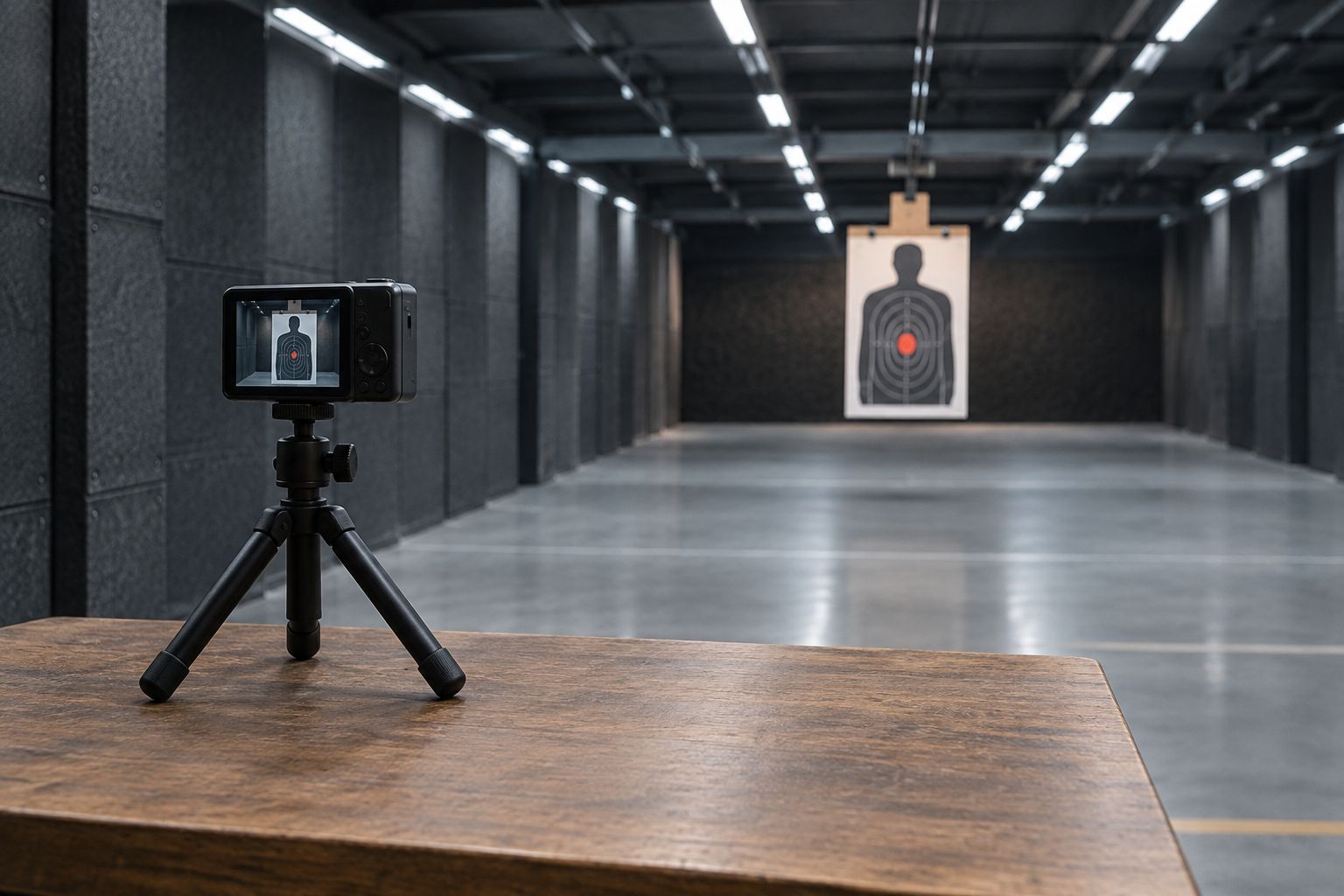
Verdict: Buy a single-target configuration when one approved camera view meets the entire job.
2. Longshot LR-3 2 Camera Kit: best for two camera positions
The Longshot LR-3 2 Camera Kit bundle includes two cameras and a Longshot Tablet. Choose this configuration when you have a concrete reason to establish two camera positions rather than buying extra equipment without a placement plan.
For an indoor target camera setup, the useful question is what the second camera will show. Assign each position a purpose before choosing the bundle. Confirm how you access each camera view and whether that workflow matches the way you shoot.
Longshot LR-3 2 Camera Kit pros
- Provides a two-camera configuration in one bundle.
- Includes a Longshot Tablet.
- Fits a purchase plan already built around two camera positions.
- Avoids selecting a three-camera bundle when only two positions are needed.
Longshot LR-3 2 Camera Kit cons
- Requires placement and retrieval planning for both cameras.
- Adds equipment without adding value when you only need one view.
- Both intended positions must satisfy the range's rules.
Best for: A shooter or small group with two defined, permitted camera positions.
Do not assume that a tablet in the bundle answers every display question. Establish whether you need to inspect views sequentially or watch them together, then verify the system's operation against that requirement.
Verdict: Buy the Longshot LR-3 2 Camera Kit when both camera positions have a clear purpose.
3. Longshot LR-3 3 Camera Kit: best for three camera positions
The Longshot LR-3 3 Camera Kit bundle includes three cameras and a Longshot Tablet. It belongs on your shortlist when your range plan calls for three distinct camera positions, not simply because it contains more equipment.
Write down what each camera will show. If the third position repeats information already covered by another view, reconsider the configuration. Camera count should follow the shooting task.
Longshot LR-3 3 Camera Kit pros
- Provides three cameras in the bundle.
- Includes a Longshot Tablet.
- Matches a plan requiring three separate camera positions.
- Gives a defined equipment starting point for a multi-position setup.
Longshot LR-3 3 Camera Kit cons
- Requires more positioning and retrieval than a single-camera setup.
- Creates additional equipment-management responsibilities.
- Does not solve an unsuitable or prohibited downrange placement.
Best for: Buyers with three permitted camera positions and a defined viewing workflow.
At a covered range, distinguish the sheltered firing line from the camera's location. A roof over your bench does not establish that equipment near the targets will also be sheltered. Check the conditions at each planned position and the applicable operating instructions.
Verdict: Buy the Longshot LR-3 3 Camera Kit only when all three camera positions earn their place.
The two LR-3 bundles below are the relevant choices when camera count drives your decision. Select between them after planning the positions, not before.


4. Longshot Competition Kit: best for clubs and scoring activities
The Longshot Competition Kit is described for clubs and organizations, including scoring use. That makes it the relevant option when the buyer is organizing a shared range activity rather than equipping one shooting bench.
A club purchase needs an operating plan. Decide who controls camera placement, who accesses the views, and how images fit into the event's scoring procedure. Those decisions come before choosing equipment.
Longshot Competition Kit pros
- Is explicitly intended for clubs and organizations.
- Is described as a setup used for scoring.
- Matches an organizational use case rather than an individual-only purchase.
Longshot Competition Kit cons
- Requires coordination between equipment operators and range staff.
- Does not replace the event's scoring rules or dispute procedure.
- Is not the default choice for an individual watching one target.
Best for: Clubs and organizations planning camera-supported scoring activities.
For a 2026 club purchase, define acceptance criteria in writing. Require a readable target image from every approved position and an operating process the designated users can follow. Do not treat an equipment description as permission to change event rules.
Verdict: Buy the Longshot Competition Kit for a defined club scoring workflow; skip it for a simple individual setup.
Check the range setup before choosing a kit
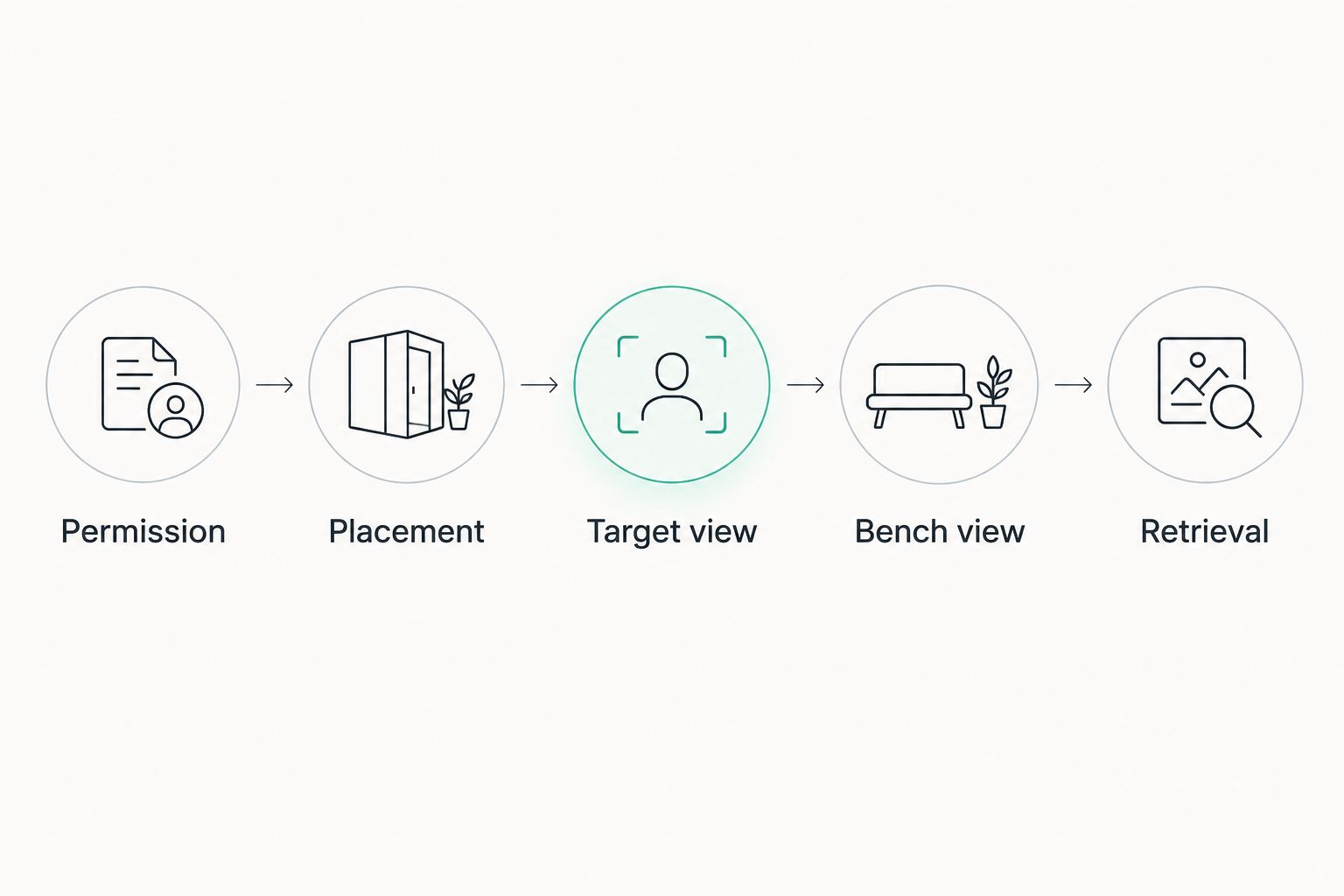
Use this sequence to turn a product shortlist into an installation plan. It applies to indoor lanes and covered outdoor firing points, although the actual placement rules come from the facility.
- Permission: Ask the range operator whether personal target cameras are allowed and identify the approved installation window.
- Placement: Mark the intended camera locations without placing equipment in the projectile path, carrier travel, or prohibited areas.
- Target view: Check that the framing shows the target area you need to inspect. Evaluate impact visibility, not just overall image appearance.
- Bench view: Verify access to the camera image from your actual shooting position using the intended viewing device.
- Retrieval: Agree on how equipment will be removed under the range's normal procedures.
Keep the viewing device stable and out of the way of normal bench use. The Longshot Tablet Stand offers two viewing-angle positions, while the Compact Tripod is described for camera placement downrange or a steady base at the bench. Assess each accessory against the placement plan rather than treating it as required equipment.
The 16ft USB-C Cable is described for Ranger and Ranger+ target cameras. That stated compatibility does not establish compatibility with the LR-3 bundles. Match accessories to the selected system's instructions instead of assuming that every cable or charger works across the catalog.
How these recommendations are ranked
This 2026 ranking follows the six criteria above: permission, readability, signal path, camera count, clearance, and workflow. The default is the configuration with the fewest camera positions needed to complete the task; the club option is separate because organizational scoring is a different job.
The named bundle recommendations follow their stated camera counts and included tablet. The Competition Kit recommendation follows its stated club and scoring use. No indoor transmission result, comparative image-quality result, or automatic-scoring capability determines this ranking.
Which indoor target camera should you choose?
Longshotcameras target cameras are a fit for shooters who want to view shot impacts remotely. For one fixed indoor target, start with a single-target configuration and confirm that the facility permits its placement.
Choose the Longshot LR-3 2 Camera Kit for two planned camera positions or the Longshot LR-3 3 Camera Kit for three. Choose the Longshot Competition Kit when a club needs equipment for an organized scoring workflow. Do not use maximum outdoor distance as the deciding factor for a short indoor lane.
FAQ
What's the best indoor target camera setup for one shooter?
A single-target camera configuration is the default for one shooter observing one fixed target. Select the model after confirming approved placement, readable impacts, and access to the image from your bench.
Can I use a target camera at an indoor shooting range?
You need the range operator's permission before installing a personal target camera. Follow the facility's placement, cease-fire, and retrieval procedures, including any restrictions around moving target carriers.
Is the Longshot LR-3 2 Camera Kit better than the three-camera kit?
The Longshot LR-3 2 Camera Kit is the better fit when your plan needs two camera positions. The three-camera kit fits a three-position plan; an extra camera is not automatically useful.
Does a long outdoor range rating guarantee indoor reception?
No, an outdoor transmission-distance claim does not establish reception in a particular indoor facility. Check the intended camera position and viewing-device position together.
Which target camera option suits a shooting club?
The Longshot Competition Kit is the club-focused option in this guide. Its description identifies clubs, organizations, and scoring use; the club still needs approved placement and a defined operating procedure.
Can a target camera replace going downrange?
A target camera can let you inspect shot impacts remotely, but it does not eliminate physical target changes or equipment retrieval. All downrange activity still follows the facility's rules.
What should I check for a covered range in 2026?
Check permission, camera placement, target readability, and image access from the actual firing point. Also distinguish the sheltered bench from the camera location; a covered firing line does not establish sheltered placement near the target.
One last thing
A target camera is useful only if you can identify the impact that answers your question. During your 2026 setup check, evaluate the target with existing holes as well as a fresh target; a clean paper view does not tell you how easy the next impact will be to distinguish.
Buy for the image you need, not the longest distance on the shortlist. That rule keeps an indoor purchase focused on target visibility and keeps a covered-range purchase focused on the actual camera position.