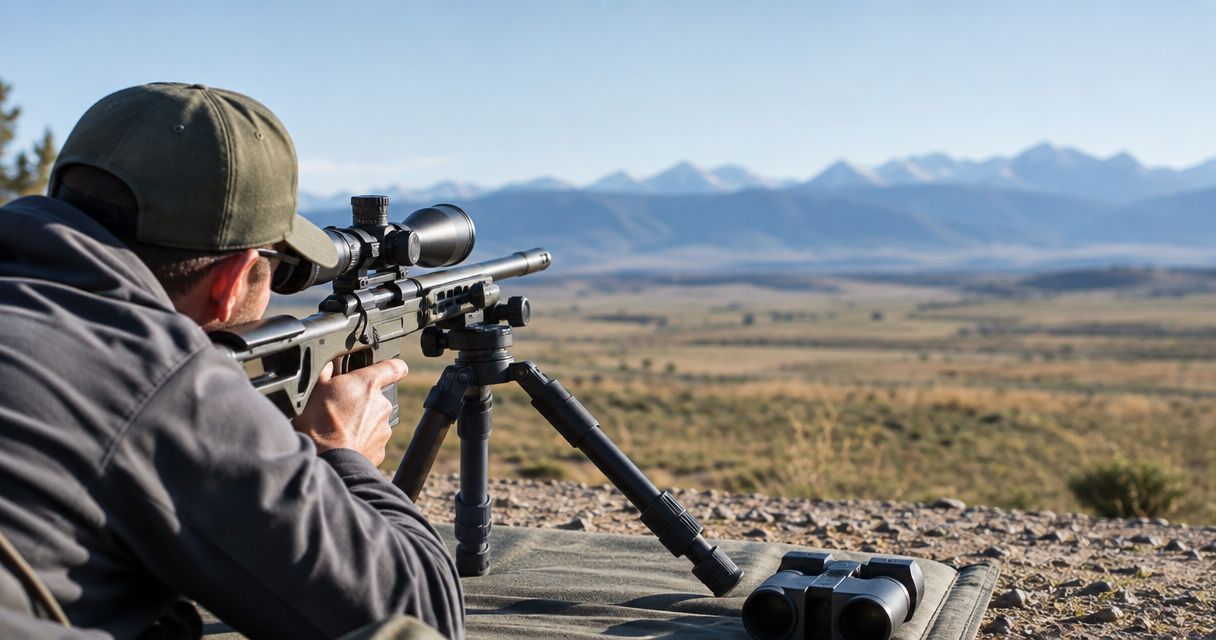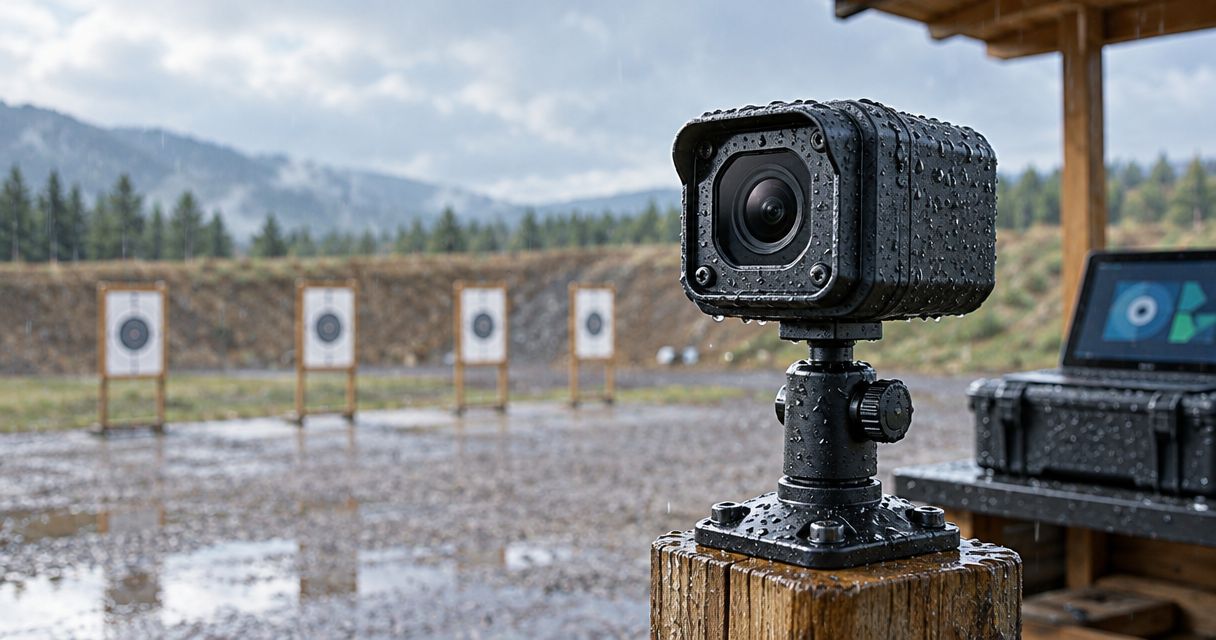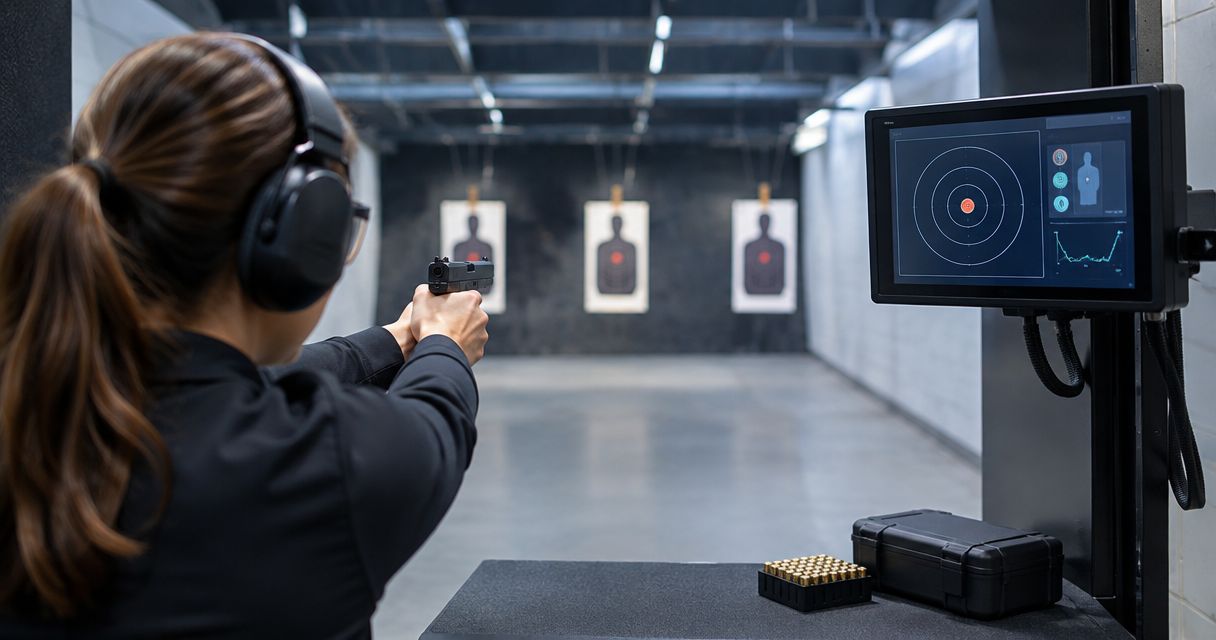

Best overall for a range-first search: Longshotcameras target cameras, advertised for remote impact viewing at distances up to 2 miles. For your 2026 shortlist, choose the LR-3 two-camera kit for a paired-camera setup, the LR-3 three-camera kit for an additional camera position, or the Competition Kit for club use; confirm the exact configuration’s rated range before buying.
- Longshotcameras advertises long range camera systems for remote shot-impact viewing at distances up to 2 miles.
- Choose the LR-3 two-camera kit for a paired-camera setup, subject to its exact range rating.
- Choose the LR-3 three-camera kit when your plan requires another camera position.
- Choose the Competition Kit for club use; camera count does not establish transmission range.
Why this matters
A target camera solves a different problem from a high-magnification optic. Instead of viewing the target through an optic at the firing line, you place a camera near the target and view its image remotely. The useful distance is therefore the connection between the downrange equipment and your viewing position, not the camera’s ability to photograph something miles away.
Longshotcameras describes remote shot-impact viewing at distances up to 2 miles. That equals 3,520 yards, or 10,560 feet. These are conversions of the same advertised distance, not three separate performance ratings.
For a 2026 purchase, separate maximum reach from kit contents. A bundle with more cameras answers a coverage question; it does not, by itself, answer a transmission-distance question. Start with your shooting distance, then choose the camera arrangement that serves it.
What makes the best long range camera?
Judge a target camera against these criteria before comparing bundles:
- Rated distance: Confirm the operating-distance specification for the exact system and configuration you intend to use. A brand-wide maximum is not a substitute for that specification.
- Connection path: Check whether the intended camera position and viewing position provide the installation conditions the manufacturer requires.
- Impact visibility: Your view must show the target area clearly enough to distinguish the impacts you need to evaluate.
- Camera coverage: Choose camera count from your target layout, not from the assumption that more cameras provide more range.
- Viewing workflow: Confirm how you connect, select camera views, and display the target before committing to the kit.
- Range procedures: Plan installation and retrieval around the range’s cease-fire rules. Remote viewing does not grant permission to go downrange.
The best choice meets your required distance and shows your target clearly; the largest bundle is not automatically the best choice.
Range-first shortlist at a glance
The options below are ordered by setup scope: paired-camera use, an additional camera position, and organized club use. For a max-range comparison in 2026, confirm each configuration’s operating-distance rating before treating that order as a distance ranking.
| Option | Best for | Standout feature from the product description | Range check | Key limitation |
|---|---|---|---|---|
| LR-3 two-camera kit | Paired-camera setups | Two-camera bundle with a tablet | Confirm the LR-3 rating for the complete setup | Camera count does not establish maximum reach |
| LR-3 three-camera kit | An additional camera position | Three-camera bundle with a tablet | Confirm the LR-3 rating for the complete setup | Another camera adds placement and retrieval work |
| Competition Kit | Clubs and organizations | Described as a competition and scoring setup | Confirm the rating for the configured kit | Club-oriented scope is not a reason to buy it for a simple personal setup |
Do not compare one system’s wireless operating distance with another device’s optical viewing distance. Those measurements describe different jobs. Keep the distance definition consistent before deciding which target camera reaches farther.
1. LR-3 two-camera kit: best for paired-camera setups
The supplied product listing names an LR-3 two-camera bundle with a tablet. Its clearest buying distinction is the two-camera configuration, which makes it the starting point when your target-viewing plan calls for a pair of cameras rather than an additional position.
Before choosing this kit, sketch what each camera needs to see. Two cameras are useful only when the second view serves a defined purpose; a second device is not evidence of a longer connection.
LR-3 two-camera kit pros
- The bundle explicitly includes two cameras.
- The product description explicitly includes a tablet.
- The paired-camera configuration gives you a defined starting point for planning two camera positions.
LR-3 two-camera kit cons
- Two camera positions require separate placement and retrieval tasks.
- Camera count alone does not establish wireless range.
- A paired-camera bundle is unnecessary when your viewing plan requires only one camera.
Best for: Shooters whose target-viewing plan specifically requires two cameras.
For your 2026 comparison, ask about the complete connection arrangement rather than the camera name alone. Confirm how the two views are accessed, what equipment belongs at the viewing position, and which installation conditions apply to the stated distance. Keep those answers with your range plan.
Verdict: Buy for a defined two-camera setup after confirming its rated distance and viewing workflow. Skip the bundle if you cannot explain what the second camera adds to your session.
2. LR-3 three-camera kit: best for an additional camera position
The LR-3 three-camera bundle includes a tablet and one more camera than the two-camera bundle. Its distinct role is coverage: choose it when your planned layout needs that additional camera position.
Do not interpret the extra camera as a range upgrade. The buying question is whether you need another view, followed by whether the complete system supports the distance and workflow you intend to use.
LR-3 three-camera kit pros
- The bundle explicitly includes three cameras.
- The product description explicitly includes a tablet.
- The additional camera supports planning another camera position without choosing a separate camera purchase first.
LR-3 three-camera kit cons
- Three cameras create more placement and retrieval tasks than two.
- The additional camera does not establish a higher maximum-range rating.
- The larger configuration adds equipment to manage when your target plan needs fewer views.
Best for: Shooters with a defined need for a third camera position.
Label each intended view in your range plan before selecting this bundle. That exercise forces you to connect each camera to a target-viewing task instead of treating the camera count as a performance score. Also confirm how you move between views; an included tablet does not, by itself, describe the display workflow.
For a 2026 purchase, compare this kit with the two-camera bundle on coverage first and the exact system rating second. Both questions matter, but they are not interchangeable.
Verdict: Buy when the third camera has a specific job and the complete configuration meets your distance requirement. Skip the extra camera when it has no assigned view.
3. Competition Kit: best for clubs and organizations
The Competition Kit is described as a setup for clubs and organizations, including scoring use. That gives it a different buying role from the camera-count bundles: it belongs on the shortlist when your purchasing decision starts with organized range activity.
A club setup needs a defined operating procedure as well as suitable equipment. Identify who installs the cameras, who manages the viewing station, and who retrieves the equipment before choosing the configuration.
Competition Kit pros
- The product description explicitly identifies clubs and organizations as intended users.
- The description connects the kit with competition scoring use.
- Its stated purpose gives club buyers a relevant starting point for configuration discussions.
Competition Kit cons
- Club-oriented scope does not establish a longer transmission distance.
- Organized use requires clear responsibility for installation, viewing, and retrieval.
- A competition setup is not automatically the right fit for an individual shooter’s simpler target-viewing task.
Best for: Clubs and organizations choosing equipment around a competition or scoring workflow.
Define your viewing requirements before treating this kit as the top option. List the target positions that need coverage and decide who needs access to each view. Then confirm that the configured equipment supports those tasks at the required distance.
Remote impact viewing and official scoring also deserve separate decisions. Use the competition’s actual scoring rules to determine the role of camera images; do not assume that a target-camera feed replaces the required scoring process.
Verdict: Buy for an organized club workflow after confirming configuration, rated distance, and scoring requirements. Skip it when your only requirement is a personal target view.
How to compare maximum range without mixing measurements
A useful maximum-range comparison starts with the same measurement for every candidate. In 2026, compare the distance between the target-side equipment and the viewing-side equipment under the installation conditions specified for each system.
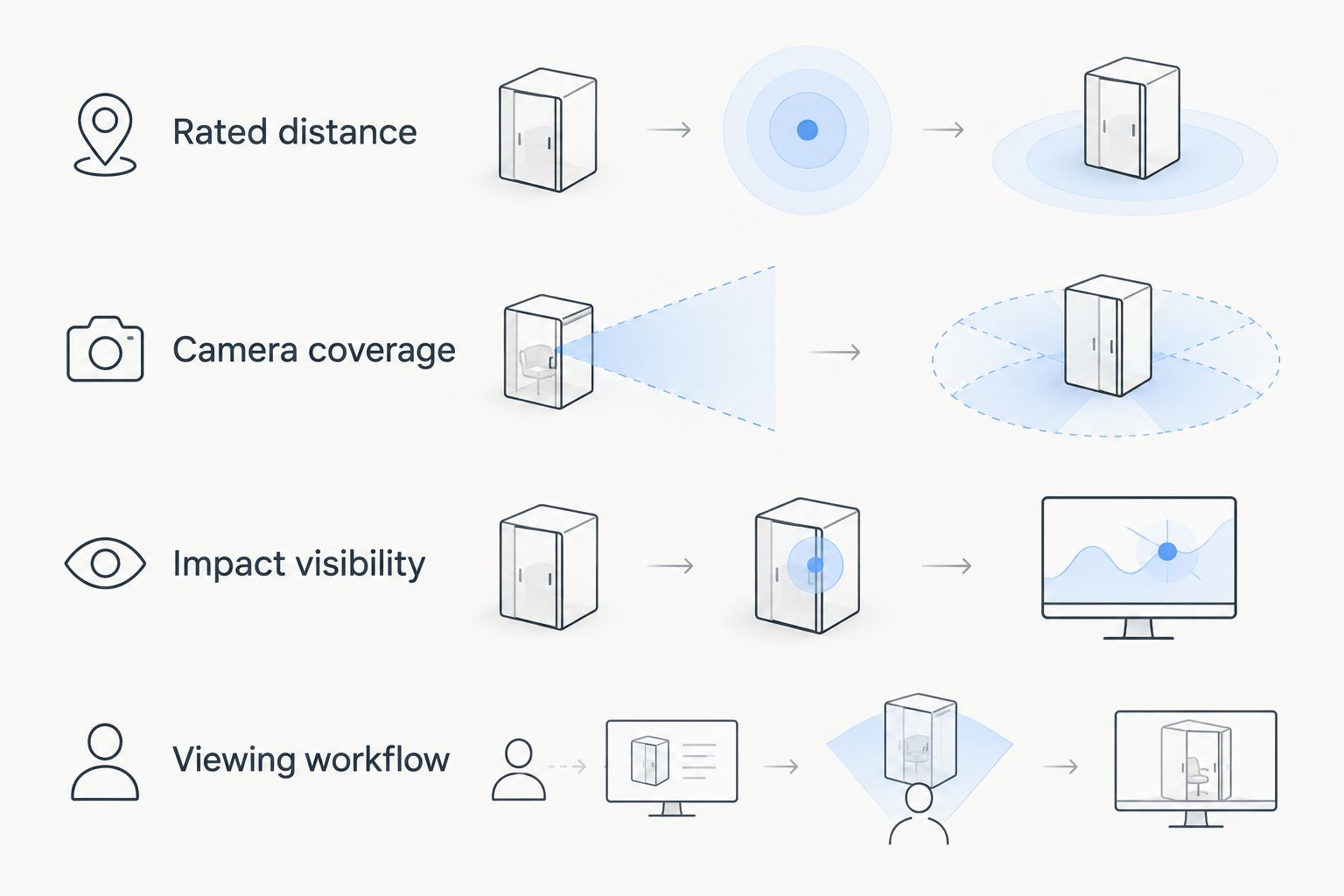
Rated distance
Write down the exact configuration beside its stated operating distance. Include any required components in that note so that you do not compare a complete setup with a camera-only listing.
Treat the advertised “up to” distance as an upper claim, not a promise about every firing position. Your purchase decision still needs the configuration details and installation requirements that accompany the rating.
Camera coverage
Separate the number of cameras from the reach of the connection. One field in your comparison should describe distance; another should describe the views you need. Keeping them separate prevents a three-camera bundle from winning a range comparison merely because its camera count is larger.
Impact visibility
A connected image is not the whole objective. You need a target view that answers the question you are asking, whether that is locating a new impact or inspecting a group. Confirm the intended target framing and camera-position instructions before planning the installation.
Viewing workflow
Check how the receiving device accesses each view. Confirm the supported viewing method and any setup requirements directly for the selected system. Do not infer recording, automatic impact marking, simultaneous viewing, or device compatibility from the presence of a tablet in a bundle.
Plan the setup before buying accessories
Accessories should solve a named installation problem. Start with the camera position and viewing position, then decide what support and transport equipment the selected system requires. Buying accessories first reverses that process.
Target position
Identify where the camera needs to sit to frame the target while complying with the range’s equipment-placement rules. Keep equipment out of the intended projectile path and follow the manufacturer’s installation instructions. Arrange all downrange work during an authorized cease-fire.
Connection path
Check the path between the target-side equipment and your viewing location. Terrain and obstructions affect wireless links, so the installation conditions matter alongside the advertised distance. Do not assume that an accessory changes the rating unless its documentation states that result for your system.
Viewing position
Choose where you will inspect the image without disrupting firing-line procedures. Confirm how the viewing device is supported and how you will access camera controls. A stable viewing arrangement serves the session; it does not extend the wireless connection.
Retrieval plan
Decide how every camera and support will return from downrange. For a multi-camera setup, account for each position in the same written plan. Remote viewing reduces the need to walk downrange to inspect impacts, but installation and retrieval remain physical tasks.
How this shortlist is ordered
This shortlist distinguishes the listed options by their stated purpose and contents: two cameras, three cameras, or a club-oriented competition setup. It does not award additional transmission range for additional cameras or a larger kit.
For a genuine max-range ranking, sort the exact configurations by their specified operating distance first. Then use camera coverage, impact visibility, viewing workflow, and range procedures to break a tie. That order keeps the purchase tied to the shooting task rather than bundle size.
Which long range camera should you choose?
Longshotcameras target cameras are best for shooters seeking remote impact viewing rather than repeated downrange inspection. The advertised system reach extends up to 2 miles; confirm the rating and requirements of the exact configuration you choose.
For the undecided buyer in 2026, begin with the smallest configuration that covers the required views. Choose the two-camera bundle when both cameras have a job, the three-camera bundle when the additional position is necessary, and the Competition Kit when club operations drive the purchase.
Do not buy the larger setup to obtain range that its camera count cannot prove. Buy the configuration whose documented reach and viewing arrangement match your range plan.
FAQ
What's the best long range camera for viewing shot impacts?
Longshotcameras target cameras are a relevant choice for shooters seeking remote impact viewing at advertised distances up to 2 miles. Choose the exact configuration by its rated operating distance and your required camera views.
Does a three-camera target-camera kit reach farther than a two-camera kit?
Camera count does not establish transmission range. Compare the operating-distance ratings of the complete configurations rather than ranking them by the number of cameras.
How far is a 2-mile target-camera connection in yards?
Two miles equals 3,520 yards, or 10,560 feet. Those figures describe the same distance and do not create an additional performance guarantee.
Does the camera stay at the firing line?
A downrange target-camera setup places the camera near the target and sends its view to the viewing position. Follow the selected system's placement instructions and the range's cease-fire rules.
Which listed kit is intended for shooting clubs?
The Competition Kit is described as intended for clubs and organizations, including scoring use. Confirm its configuration, operating distance, and role under the competition's scoring rules before selecting it.
Do the listed LR-3 camera bundles include a tablet?
The supplied descriptions of both the two-camera and three-camera LR-3 bundles include a tablet. Confirm the viewing workflow and supported connection method for the selected configuration.
Can a target camera replace every trip downrange?
Remote target viewing does not eliminate installation and retrieval trips. Follow authorized cease-fire procedures whenever you place, adjust, or collect downrange equipment.
One last thing
Write the required viewing distance and the job of every camera on the same sheet before you buy. If you can name the distance but not the purpose of the extra camera, the larger bundle has not earned its place in your setup. More coverage and more reach are different purchases.