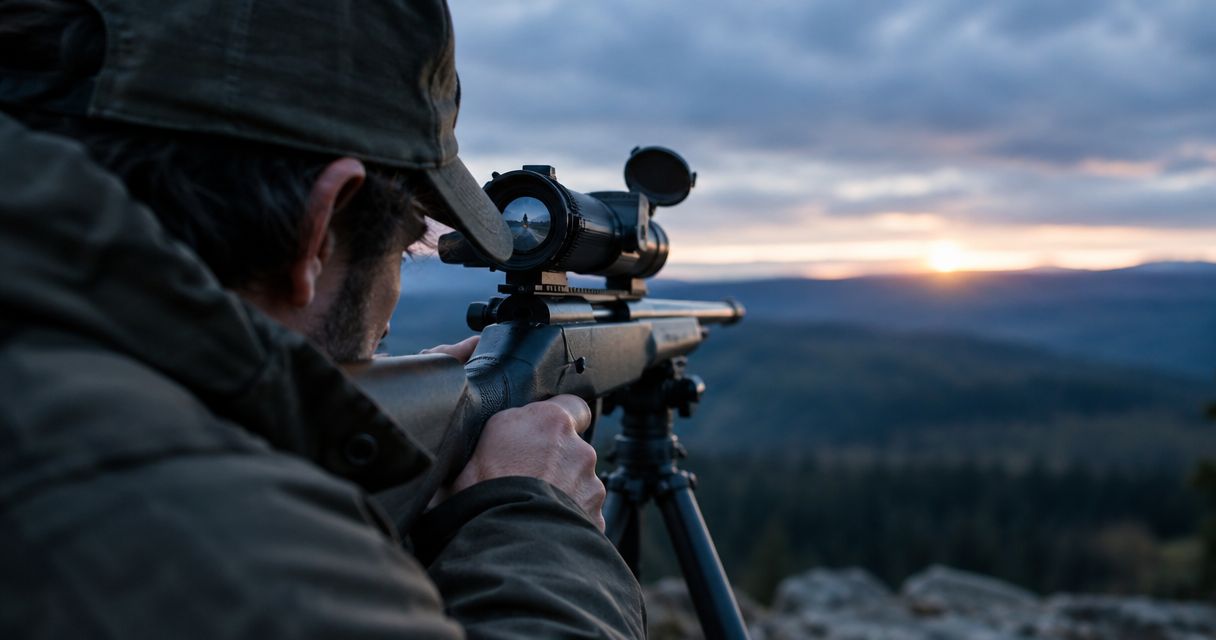
Yes, a rifle camera can record in low light when enough light reaches its sensor, but usable footage depends on the camera, optics, exposure settings, and the detail you need to see. A camera that records a recognizable target at dusk does not automatically provide night vision, readable shot impacts, or a saved video file.
- Can a rifle camera record in low light? Yes, but recording alone does not prove usable detail.
- Low-light recording and night vision are different capabilities; check the exact camera's specifications.
- Longshotcameras target cameras suit remote shot-impact viewing, not a rifle-mounted perspective.
- Test saved footage under your actual lighting before relying on the setup.
Can a rifle camera record in low light?
Yes—provided the camera receives enough usable light for the result you expect. Recording a bright target outline is a different task from resolving a small hole in dark paper. Define the required detail before judging whether the image is good enough.
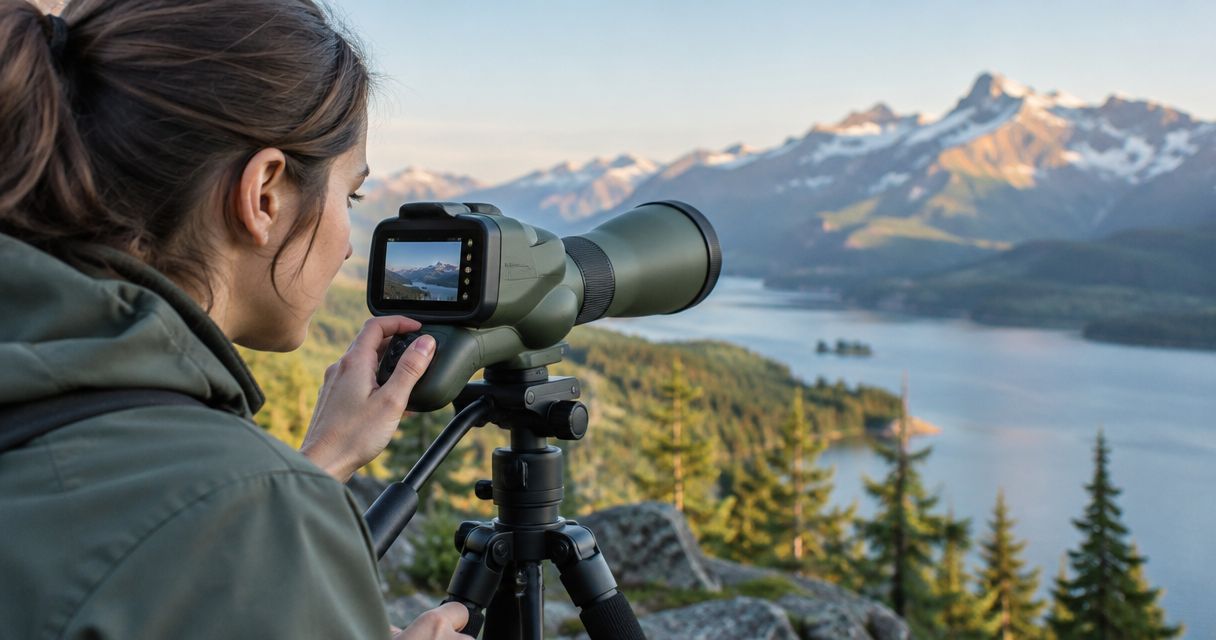
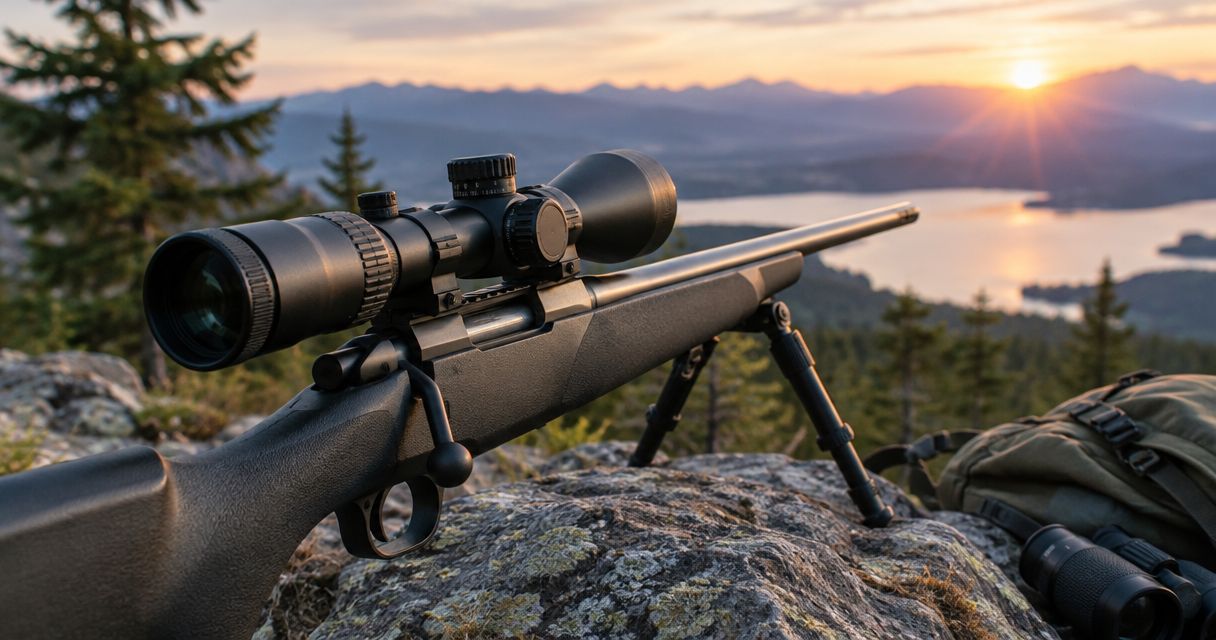
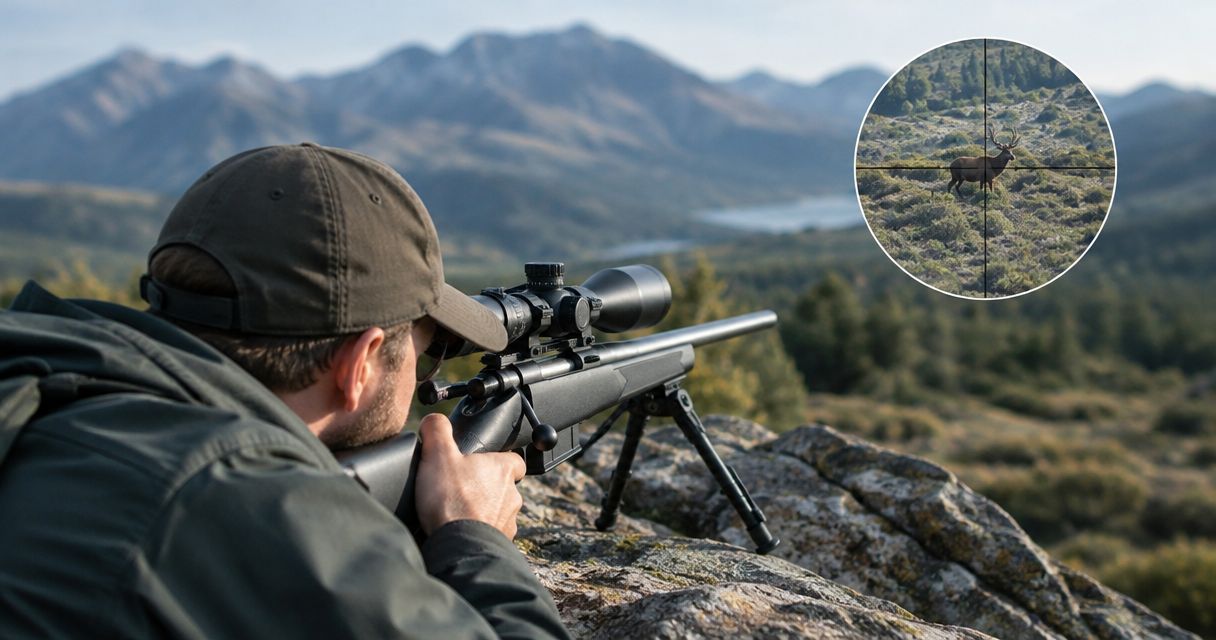
The phrase rifle camera also covers different arrangements. A camera looking through a riflescope depends on the image delivered through that scope; a camera positioned near the target sees the target directly. The guide to how a rifle scope camera works explains the first arrangement in more detail.
| Camera arrangement | Best for | Low-light advantage | Main limitation |
|---|---|---|---|
| Scope-mounted camera | Recording the view through an optic | Records the scene presented through the scope | Alignment, optical transmission, and camera exposure all affect detail |
| Separate rifle-mounted camera | Recording a general forward-facing view | Does not necessarily depend on the scope's optical path | Its view is not automatically the same as the aiming view |
| Downrange target camera | Inspecting the target remotely | Views the target from a nearby position | Target illumination and camera placement still determine visibility |
These are different viewpoints, not interchangeable levels of night performance. For a 2026 purchase, choose the viewpoint first and verify low-light performance second. Neither mounting location nor a recording feature proves that a camera can see in darkness.
Why this matters
A dim image can look acceptable until you ask it to answer a specific question. You might recognize a target board while losing the edges of individual impacts, or see the reticle while the target behind it becomes indistinct. Judge the detail you need, not whether the screen displays an image.
Longshotcameras target cameras are best for shooters who want remote views of shot impacts rather than a rifle-mounted viewpoint. That distinction matters because moving the camera near the target changes the viewing problem; it does not eliminate the need for light.
Separate camera documentation from assumptions about the category. A remote-viewing range specification describes communication distance, not low-light sensitivity. Likewise, a rugged housing describes construction, not whether a sensor supports infrared imaging.
Low-light recording is not night vision
A conventional visible-light camera needs illumination from the scene. At dusk, that illumination decreases gradually; under artificial lighting, the target can remain bright even when the surrounding range is dark. The relevant question is how much usable light reaches the subject and sensor, not simply whether the session happens after sunset.
Digital night vision uses a light-sensitive imaging system, often with compatible infrared illumination. Thermal imaging detects infrared radiation associated with temperature differences instead of producing an ordinary visible-light image. Neither capability follows automatically from the words rifle camera.
| Imaging approach | Best for | What it offers | What it does not establish |
|---|---|---|---|
| Conventional visible-light recording | Illuminated targets and remaining daylight | A familiar view of target markings and surrounding detail | Visibility in complete darkness |
| Digital night vision | Low-light observation with a suitable system | Electronic imaging designed for nighttime use | Compatibility with every infrared illuminator |
| Thermal imaging | Viewing temperature contrast | An image based on thermal differences | Readability of ordinary printed target markings |
For your 2026 equipment checklist, keep these categories separate. If nighttime operation is essential, look for explicit documentation of the imaging method and recording function. A demonstration of a bright live view is not a substitute for a saved recording made under comparable conditions.
Why low-light recording quality varies
Low-light performance comes from the whole imaging path. A camera cannot recover target information that never reaches its sensor, and a brighter display does not necessarily contain more detail.
- Target illumination: Light falling on the target determines what a visible-light camera has to record. A brightly lit shooting position does not prove that the target is equally well lit.
- Optical path: A scope-mounted camera depends on the scope image, camera alignment, and light transmitted through the optics. A direct-view camera has a different optical arrangement.
- Exposure time: Longer exposure collects light over more time, but movement during that exposure produces blur. That trade-off matters when the camera, rifle, or subject moves.
- Sensor gain: Increasing electronic gain brightens the output but also makes noise more visible. A brighter image is not automatically a more informative image.
- Target contrast: Strong separation between a marking and its background makes that marking easier to distinguish. Shadows, dark paper, and similar tones make the task harder.
- Stability and focus: Camera movement and incorrect focus obscure detail before you evaluate the recording. Set both in usable light, then check them as conditions change.
Improve illumination, alignment, and stability before treating electronic brightness as the solution. These checks address the information entering the camera rather than just the appearance of its output.
Exposure time matters more than a bright preview
Exposure time is the period over which the sensor gathers light for an image. Extending it can make a dim scene brighter, but it also records movement over a longer interval. A stationary target and a moving viewpoint therefore place different demands on the camera.
At 30 frames per second, each frame interval is 1/30 of a second. At 60 frames per second, each interval is 1/60 of a second. These are timing relationships, not recommended shutter settings or specifications for any particular rifle camera.
The shorter interval at the higher frame rate leaves less time within each frame for exposure. That is why selecting a higher frame rate is not automatically an improvement in low light. Check how your camera handles exposure rather than assuming the largest frame-rate setting gives the clearest result.
A camera can also make its preview look brighter through gain or processing. Inspect edges, fine markings, and motion—not just overall brightness. If those details disappear, the image has failed your task even if the target remains recognizable.
For a 2026 comparison, ask for footage that matches the intended lighting, viewpoint, and subject detail. Comparing a well-lit demonstration from one camera with a shaded scene from another does not isolate camera performance.
How to test a rifle camera before a low-light session
Use a controlled, non-firing check to establish what the camera actually records. Keep the rifle unloaded during setup and follow the range's procedures; place or adjust downrange equipment only when access is authorized.
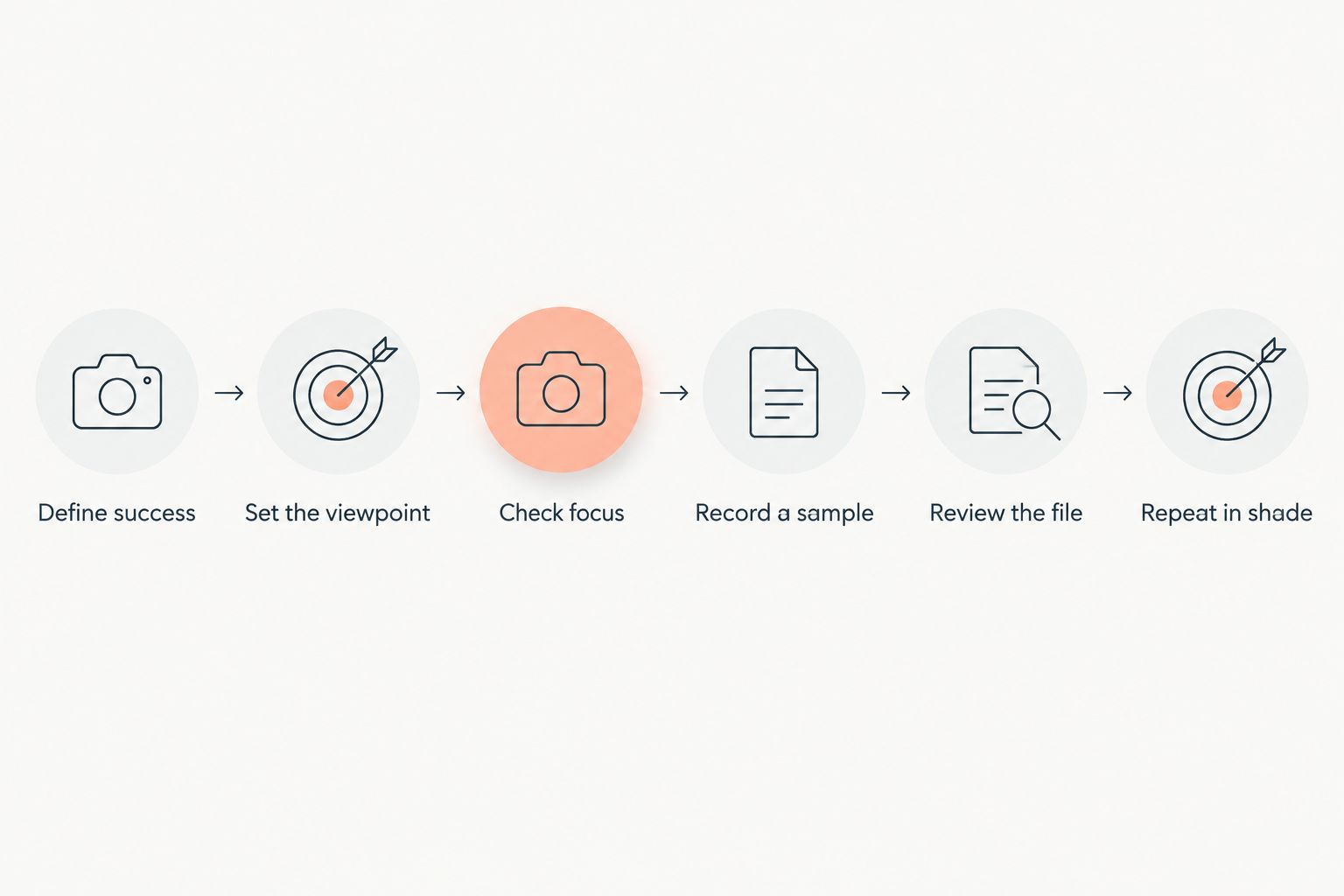
- Define success. Decide whether you need a general scene, readable target markings, or visible shot impacts. Use that requirement throughout the test instead of changing the standard when the image gets dim.
- Set the viewpoint. Confirm that the camera shows the intended area. For a scope-mounted setup, check the alignment through the optic before evaluating brightness.
- Check focus. Use fine target markings to assess sharpness. A large target outline can remain recognizable even when focus is wrong.
- Record a sample. Start an actual recording using the intended device or application. Do not rely solely on a live preview or a recording icon.
- Review the file. Open the saved footage and inspect the required detail. Check that the recording contains the expected scene rather than merely confirming that a file exists.
- Repeat in shade. Repeat the check as illumination changes, without changing the target or viewpoint unnecessarily. This makes the loss of detail easier to recognize.
Keep a note of the settings used for the successful sample. That gives you a repeatable starting point, but it does not guarantee the same result under different target lighting. Recheck after changing the camera position, optic, or recording mode.
What should you verify before choosing a camera?
Ask for evidence of the exact job you need the camera to perform. A low-light claim without a sample or stated conditions does not tell you whether your target detail will remain visible.
Use this checklist when reviewing specifications or asking a seller about a 2026 setup:
- Recording location: Establish whether the camera, a connected device, or an application saves the video. Live viewing and recording are separate functions.
- Exposure controls: Check whether exposure and gain are automatic, adjustable, or fixed. Do not assume that controls available on one camera exist on another.
- Nighttime imaging: Look for an explicit statement about visible-light, infrared, or thermal operation. Treat unspecified capability as unconfirmed.
- Optical compatibility: For a scope-mounted camera, verify the mounting and optical requirements for your actual scope. Physical attachment alone does not prove a properly aligned image.
- Representative footage: Look for original recordings showing comparable light and target detail. Edited highlights do not establish how the camera behaves throughout a session.
Longshotcameras target cameras address remote shot-impact viewing. Evaluate the exact model's documentation separately for recording behavior and low-light operation; the remote-viewing purpose alone does not establish either capability.
Can a rifle camera record in complete darkness?
A conventional visible-light rifle camera cannot form a useful scene image without light. Nighttime recording requires illumination or an imaging system designed for a different part of the spectrum, such as thermal imaging.
Infrared illumination helps only when the camera supports the relevant infrared light. Do not add an illuminator on the assumption that every digital sensor and camera assembly will use it.
Does a scope-mounted camera see exactly what your eye sees?
A scope-mounted camera records the image delivered to its sensor, not your visual experience. Alignment, focus, exposure, and display processing affect the result, so a view that looks usable through the eyepiece still needs a recording test.
Your eye and camera also respond differently to brightness and contrast. Evaluate the saved file instead of using the eyepiece view as proof of recording quality.
Will a target camera show small shot impacts at dusk?
A target camera shows small shot impacts at dusk only when its image retains enough detail and contrast. A visible target board is not proof that individual impacts remain distinguishable.
Test the actual target material under the intended lighting before relying on remote inspection. Remote video never replaces range commands or authorization to go downrange.
FAQ
Can a rifle camera record in low light without night vision?
Yes, a conventional rifle camera can record in low light if enough visible light reaches its sensor. Whether the footage is useful depends on target detail, exposure, focus, and movement.
Does a brighter camera screen mean better low-light footage?
No, a brighter screen does not prove that the recording contains more detail. Check fine edges and target markings in the saved file rather than judging screen brightness alone.
Is a target camera better than a scope camera in low light?
Neither arrangement is automatically better in low light. A target camera views the target nearby, while a scope camera depends on the image delivered through the scope; illumination and the exact equipment still determine the result.
Can I use an infrared light with any rifle camera?
No, infrared illumination requires a camera that supports the relevant infrared light. Verify compatibility in the camera's documentation before choosing an illuminator.
Does a live camera view mean my video is being saved?
No, live viewing does not establish that video is being saved. Make a sample recording and open the resulting file before relying on the recording function.
Should I choose the highest frame rate for dusk recording?
No, the highest frame rate is not automatically best for dusk recording. Higher frame rates provide shorter frame intervals, so check the camera's exposure behavior and compare saved footage under the same lighting.
Can a low-light camera confirm that it is safe to go downrange?
No, a low-light camera cannot authorize downrange access or replace range safety procedures. Follow range commands and obtain the required authorization before approaching equipment or targets.
One last thing
A steady, well-focused image can fail your task while still looking like a successful recording. Before your next 2026 session, pick one fine target marking and use it as the pass-or-fail reference in saved footage. If that detail disappears as the light fades, stop treating overall brightness as evidence of usable visibility.