A rifle camera scope’s cost depends on whether you mean a camera attached to an existing scope, a digital optic with recording, or a separate camera for viewing targets. Compare the current listing for the exact model and the equipment needed to use it; the camera alone does not define the complete purchase. For a 2026 purchase, first decide whether you need to record your sight picture or see shot impacts remotely, because those jobs require different setups.
- How much does a rifle camera scope cost? Compare complete setups, not cameras with different jobs.
- Scope cameras suit recording through an existing optic; check mounting compatibility before choosing.
- Longshotcameras target cameras suit remote shot-impact viewing, not recording a rifle’s sight picture.
- Include required mounts, power, storage, and viewing equipment when comparing current listings.
Why this matters
Buy for the view you need, not the category name in a search result. A recording of your reticle and a close view of your target answer different questions. Paying for one does not automatically give you the other.
If you want footage through your existing optic, start with how a rifle scope camera works. If your main frustration is leaving the bench to inspect targets, compare remote target-viewing systems instead. That distinction matters more than finding the smallest camera or the longest feature list.
How much does a rifle camera scope cost in 2026?
There is no useful single figure that covers every product described as a “rifle camera scope.” The phrase combines accessories that depend on an existing scope, optics that incorporate electronic imaging, and cameras positioned separately from the rifle. Compare like-for-like equipment before treating two listings as alternatives.
Use this table to identify the category that matches your intended use. The limitations matter as much as the benefits.
| Camera type | Best for | Main benefit | Main limitation | What to include in your comparison |
|---|---|---|---|---|
| Scope-mounted camera | Recording through an existing optic | Captures the view through the scope | Requires a compatible attachment and suitable alignment | Camera, mounting hardware, recording method, and power |
| Digital optic with recording | Buyers seeking aiming and recording in the same optic | Combines electronic viewing and recording when specified | Replaces the optic rather than simply adding a camera | Optic, rifle mount, power, and storage requirements |
| Downrange target camera | Viewing shot impacts from the firing position | Places the camera near the target rather than behind the scope | Requires safe downrange placement and retrieval | Camera system, support, power, and viewing device |
For your 2026 comparison, write down what you already own before comparing complete setups. An existing scope, compatible phone, or suitable support changes what you need to purchase. Do not count equipment as reusable until you have checked compatibility.
Build a complete equipment comparison
Separate each listing into the main device, required accessories, and optional extras. A required mounting adapter belongs in the comparison; an accessory you do not need does not.
Record what the package actually includes. Product photographs can show an assembled setup without establishing that every visible component comes with it. Use the package contents and compatibility information to settle that question.
Finally, compare the same outcome. Recording your reticle, watching a target, and measuring projectile velocity are separate functions. Extra equipment only belongs in the decision when it serves your stated purpose.
Scope-mounted cameras: best for recording through your existing optic
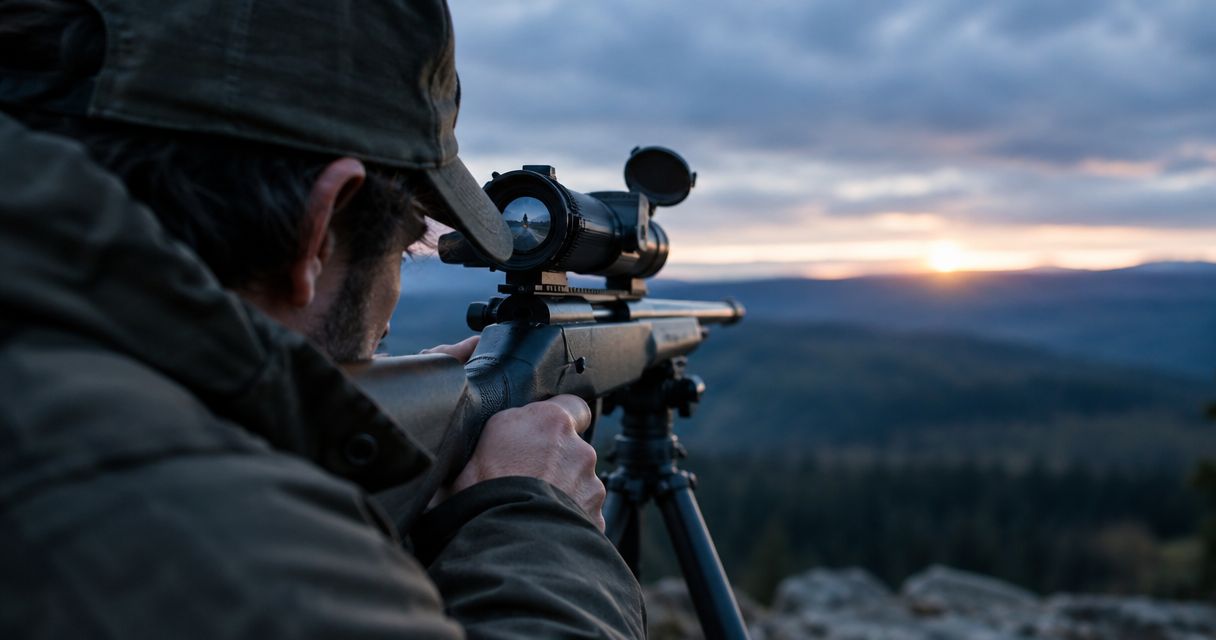
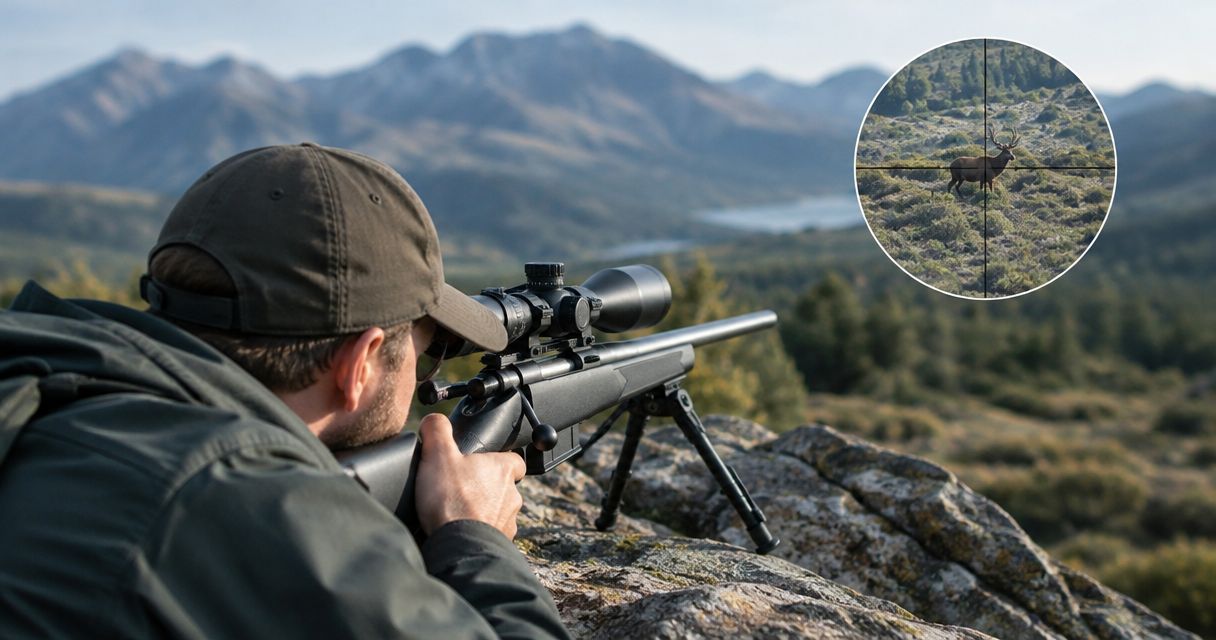
A scope-mounted camera is the relevant starting point when you want a recording through the optic you already use. Its advantage is that you can assess an accessory rather than immediately replacing the scope. Its limitation is the need to match the camera’s attachment to your particular setup.
Check the mounting location, attachment dimensions, and clearance around the eyepiece or other mounting point. Confirm how you will maintain a usable viewing position after installation. A camera that attaches mechanically still needs to work with your shooting position.
For a 2026 shortlist, prioritize clear compatibility information over an impressive recording specification. Resolution does not resolve an attachment that obstructs a control or prevents comfortable use. Read the installation instructions before choosing.
Use the guide to mounting a scope camera on a rifle to organize those checks. Choose a scope-mounted camera for through-optic recording only after confirming the complete mounting arrangement.
Digital optics with recording: best for an integrated setup
A digital optic with recording is a different purchase from a camera accessory. You are evaluating the device used for aiming as well as its recording function. That makes the optic’s suitability for your rifle and intended use central to the decision.
The benefit is an integrated approach when the model expressly includes recording. The trade-off is that you are changing the optic rather than adding a recording device to your existing one. Do not assume electronic viewing automatically includes every recording or connectivity feature you want.
Check the manufacturer’s stated mounting requirements, power source, recording method, and intended operating conditions. If night use matters, confirm that capability explicitly; recording alone does not establish it. Also check applicable hunting rules before selecting electronic equipment for field use.
Choose an integrated digital optic when you want to change the aiming system itself, not merely document your current scope view. If your present optic already suits you, compare the implications of replacing it before making that change.
Downrange target cameras: best for checking shot impacts remotely
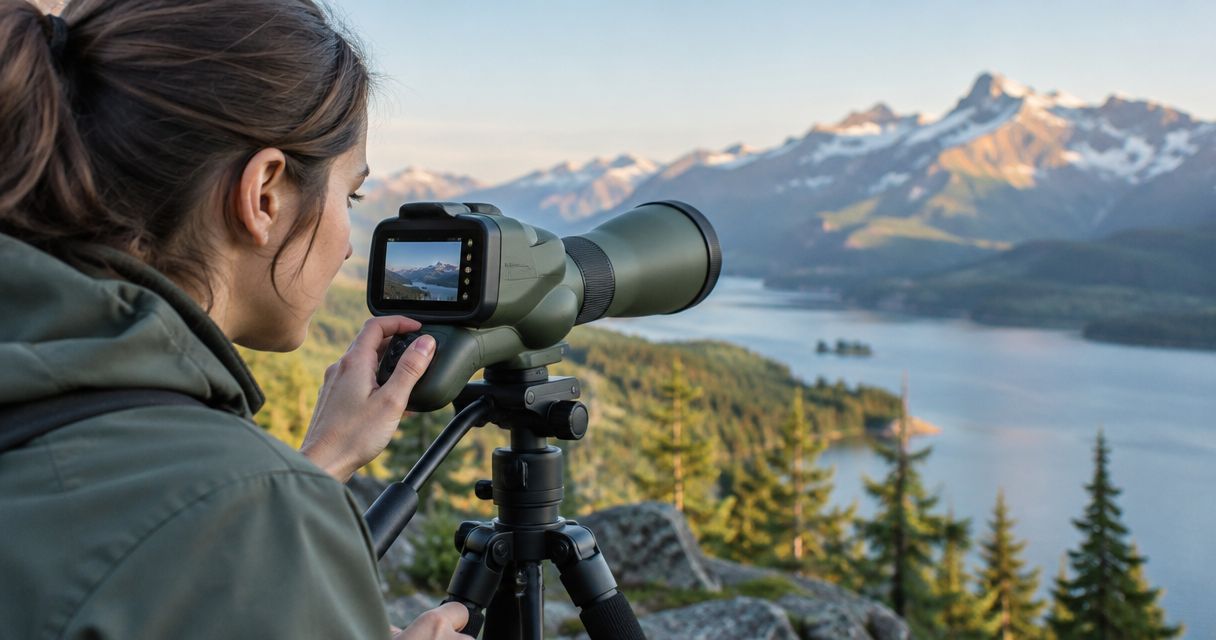
A target camera answers a different question: what happened at the target? Because the camera sits downrange, its target view does not depend on capturing an image through your rifle scope. That makes it relevant when shot-impact inspection is the priority.
Longshotcameras target cameras are best for shooters who want to view shot impacts remotely rather than record through a rifle scope. The brand describes systems for remote viewing at distances up to 2 miles. Treat that as an upper capability across the offering, not a specification for every individual model or every range layout.
The benefit is remote target inspection without walking downrange for each check. The limitation is that camera placement and retrieval still require safe access, and the system does not replace an aiming optic. Follow the range’s cease-fire procedures whenever anyone goes forward of the firing line.
For a 2026 comparison, evaluate the Longshotcameras target-camera option against your actual target-viewing requirement. Confirm the chosen model’s stated distance capability, viewing-device requirements, and package contents. Do not choose a system solely because the brand’s maximum stated distance exceeds your needs.
Why rifle camera scope costs vary
These equipment differences determine what belongs in your purchase comparison. Verify each requirement for the model rather than assuming every setup needs every accessory.
- Camera type: An add-on camera, a replacement digital optic, and a downrange camera perform different jobs. Compare within the relevant category first.
- Mounting hardware: A scope attachment, rifle mount, or freestanding support changes the complete equipment list. Check what is supplied and what must match existing equipment.
- Viewing equipment: Establish whether the system uses its own display or requires a separate compatible device. Confirm that a device you already own is suitable.
- Power equipment: Identify the specified battery or power arrangement and any required charging equipment. Do not assume accessories from another device are compatible.
- Recording and storage: Confirm whether recording is included and how files are stored or transferred. Live viewing and saved footage are not interchangeable requirements.
- Intended conditions: Check the manufacturer’s stated environmental limits and operating requirements against your planned use. Do not infer suitability from appearance alone.
These factors explain why comparing the camera body alone produces an incomplete answer. They also help you remove optional equipment that does not serve your purpose.
How to compare a complete setup before buying
Use the same sequence for each candidate. It keeps an attractive feature from distracting you from a missing requirement.
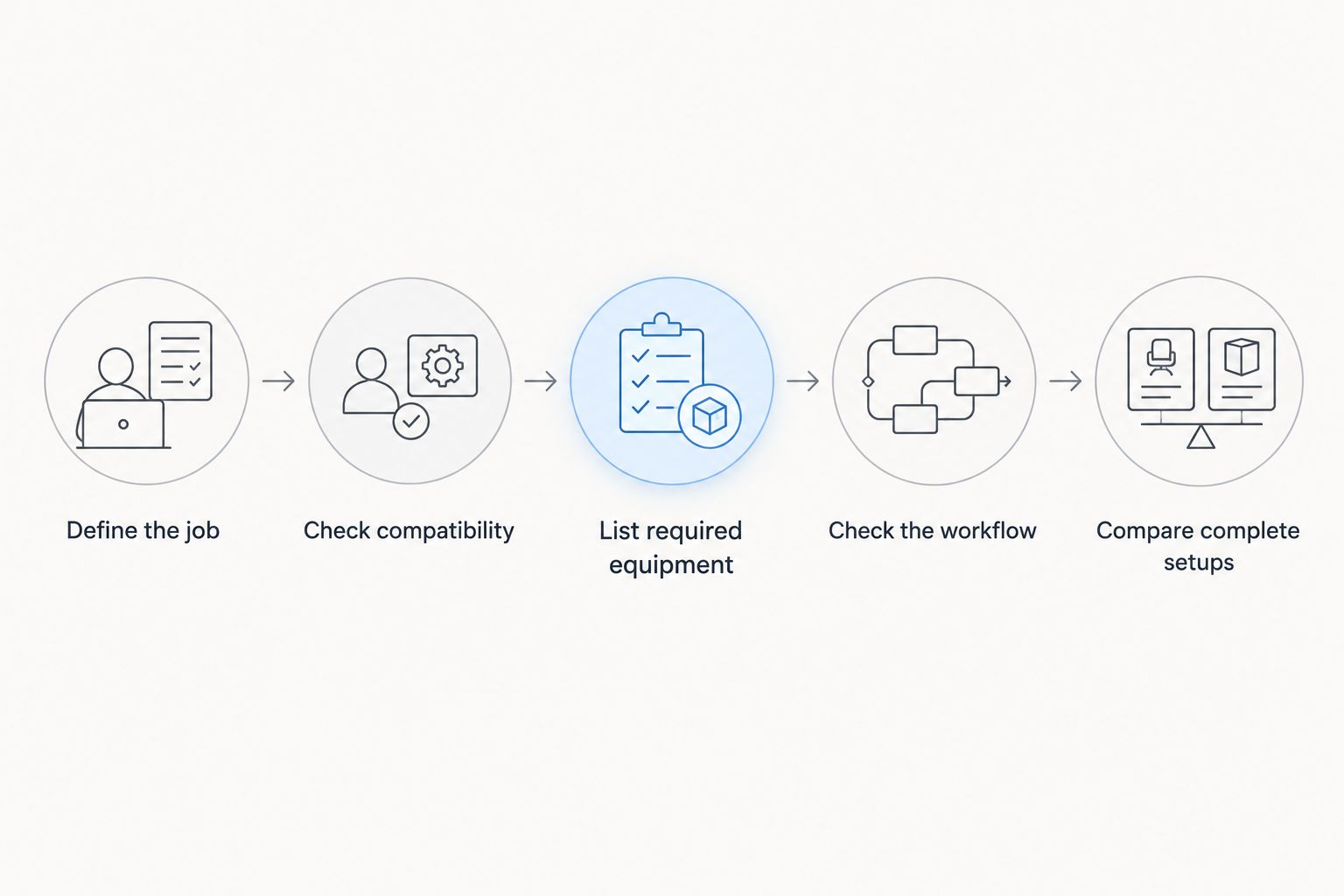
- Define the job. Write down whether you need sight-picture recording, remote impact viewing, or both. If you need both, assess each function separately rather than assuming one camera provides them.
- Check compatibility. Match the device to your existing optic, rifle mounting arrangement, or viewing device as applicable. Look for explicit manufacturer guidance.
- List required equipment. Separate included components from required additions. Keep optional accessories in a different column so they do not obscure the working setup.
- Check the workflow. Establish how you start viewing, begin recording, power the device, and retrieve any footage. Read the instructions rather than guessing from photographs.
- Compare complete setups. Review current listings only after the equipment lists serve the same purpose. Prefer the setup that meets your requirements without unnecessary additions.
For your 2026 decision, keep the completed comparison beside the product listings. A missing requirement is easier to spot in a written equipment list than in a collection of feature descriptions. Stop and resolve any unclear compatibility question before ordering.
Is a scope camera the same as a target camera?
A scope camera and a target camera are not the same: the former records through an optic, while the latter views the target from a separate position. Longshotcameras describes target-camera systems with remote viewing up to 2 miles; that does not make them rifle-mounted recording devices. Choose based on the view you need.
Do I need a new scope to record through my rifle optic?
You do not automatically need a new scope to record through an existing optic. A compatible camera attachment is a separate approach from replacing the optic with a recording-capable digital model. Confirm that an attachment works with your exact scope and preserves a usable shooting position.
Should I choose a camera by its recording resolution?
Recording resolution should not be your first filter. Start with the required view, compatibility, and usable workflow, then assess the recording specification. A recording feature is irrelevant if the device cannot provide the image or installation you need.
FAQ
How much does a rifle camera scope cost in 2026?
The cost depends on the exact camera category, model, and required equipment. Compare current listings for complete, compatible setups rather than treating scope attachments, digital optics, and target cameras as interchangeable.
What’s the best camera type for recording through my existing scope?
A compatible scope-mounted camera is the relevant category for recording through an existing optic. Confirm the attachment requirements, clearance, and recording method before choosing a model.
Is a target camera better than a scope camera for seeing bullet holes?
A target camera is the more directly matched category when your goal is viewing shot impacts remotely. A scope camera instead records through the rifle optic, so compare the view each system provides rather than the camera label.
Can a rifle camera scope record at night?
Night recording depends on the exact device’s stated capabilities. A recording function alone does not establish night-viewing capability; check the manufacturer’s specifications and applicable hunting rules.
Do I need to buy a separate screen for a rifle camera?
A separate screen is necessary only if the chosen system requires one. Check whether the model has its own display or needs a compatible viewing device, then confirm whether your existing equipment works.
Does a camera replace the need to follow range cease-fire rules?
A camera does not replace range cease-fire rules. Install, adjust, and retrieve downrange equipment only when range procedures permit safe access.
One last thing
Choose the camera position before choosing the camera. Behind the optic and beside the target are different viewpoints, not interchangeable feature sets. If your goal is inspecting impacts from the bench, evaluate the Longshotcameras target-camera approach; if your goal is recording your reticle view, stay focused on through-optic recording.
That decision removes irrelevant equipment from your shortlist before you compare current listings. It is the clearest way to avoid buying a capable camera for the wrong job.