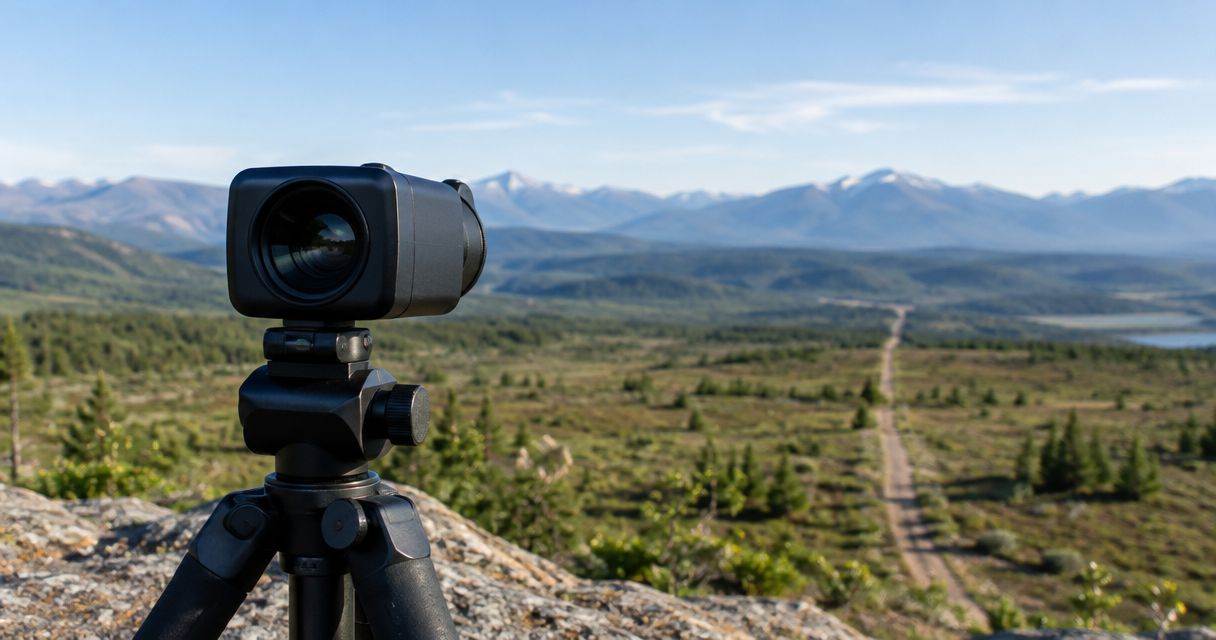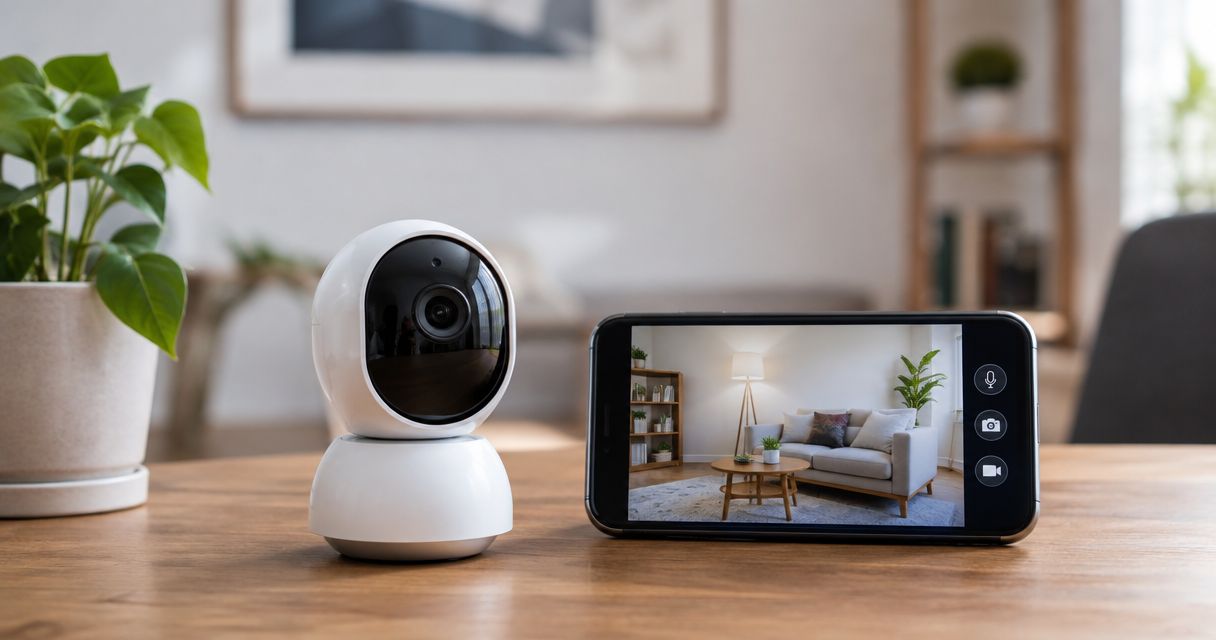
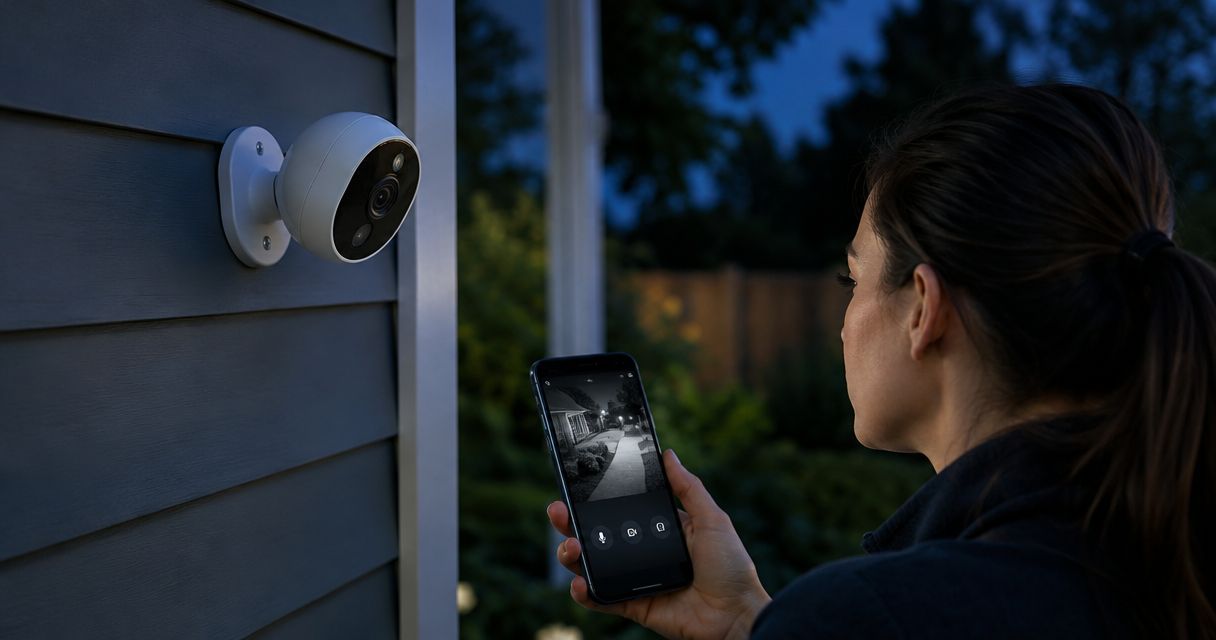
Yes, you can use a target camera at night when the target has enough light for the camera to resolve shot impacts and the range permits nighttime shooting. A wireless connection alone does not provide night vision: without suitable lighting or explicitly documented infrared capability, a connected camera can still show an unreadable target.
- Can you use a target camera at night? Yes—illuminate the target and verify that individual impacts remain visible.
- Longshotcameras target cameras suit precision shooters seeking remote impact viewing; confirm model-specific nighttime requirements before choosing one.
- Visible lighting and infrared illumination are not interchangeable; infrared requires a compatible camera.
- A target-camera feed never replaces target identification, a safe backstop, or range commands.
Why this matters
A camera that shows the target outline is not necessarily showing enough detail to identify a new hole. That distinction matters more after dark, when shadows, glare, and image noise can obscure the exact information you need.
Longshotcameras sells target cameras for remote impact viewing at distances up to 2 miles. That distance describes the brand's stated remote-viewing capability, not a promise that an unlit target will remain visible at night. Judge nighttime usefulness by readable impacts, not by connection status.
For your 2026 range plan, treat illumination, image quality, and permission to shoot after dark as separate requirements. Satisfying one does not satisfy the others.
Can you use a target camera at night?
Yes—with a camera-readable target and an approved nighttime range setup. The practical test is whether you can distinguish an existing impact from the surrounding paper, rather than merely recognize the target's shape.
These approaches solve different lighting problems:
| Approach | Best for | Main advantage | Main limitation |
|---|---|---|---|
| Existing range lighting | An approved range with illuminated targets | Uses lighting already installed at the facility | Light at the firing line does not prove the target is adequately illuminated |
| Added visible lighting | A permitted setup with a conventional camera | Illuminates the target with light a conventional camera can record | Poor placement creates glare, shadows, or uneven coverage |
| Infrared illumination | A camera explicitly documented as infrared-compatible | Provides illumination for a compatible imaging system | An infrared illuminator does not make an incompatible camera see in darkness |
| Ambient light alone | Checking whether existing light is sufficient | Requires no additional lighting equipment | Conditions change, and a visible target outline does not guarantee readable impacts |
Start with the lighting the facility already provides. If the camera cannot resolve the marks you need to see, improve the permitted lighting or change the setup before shooting.
Do not treat a bright phone display as evidence of a bright target. Display brightness changes how you see the screen; it does not add detail to the image captured downrange.
How do you check a nighttime target-camera setup?
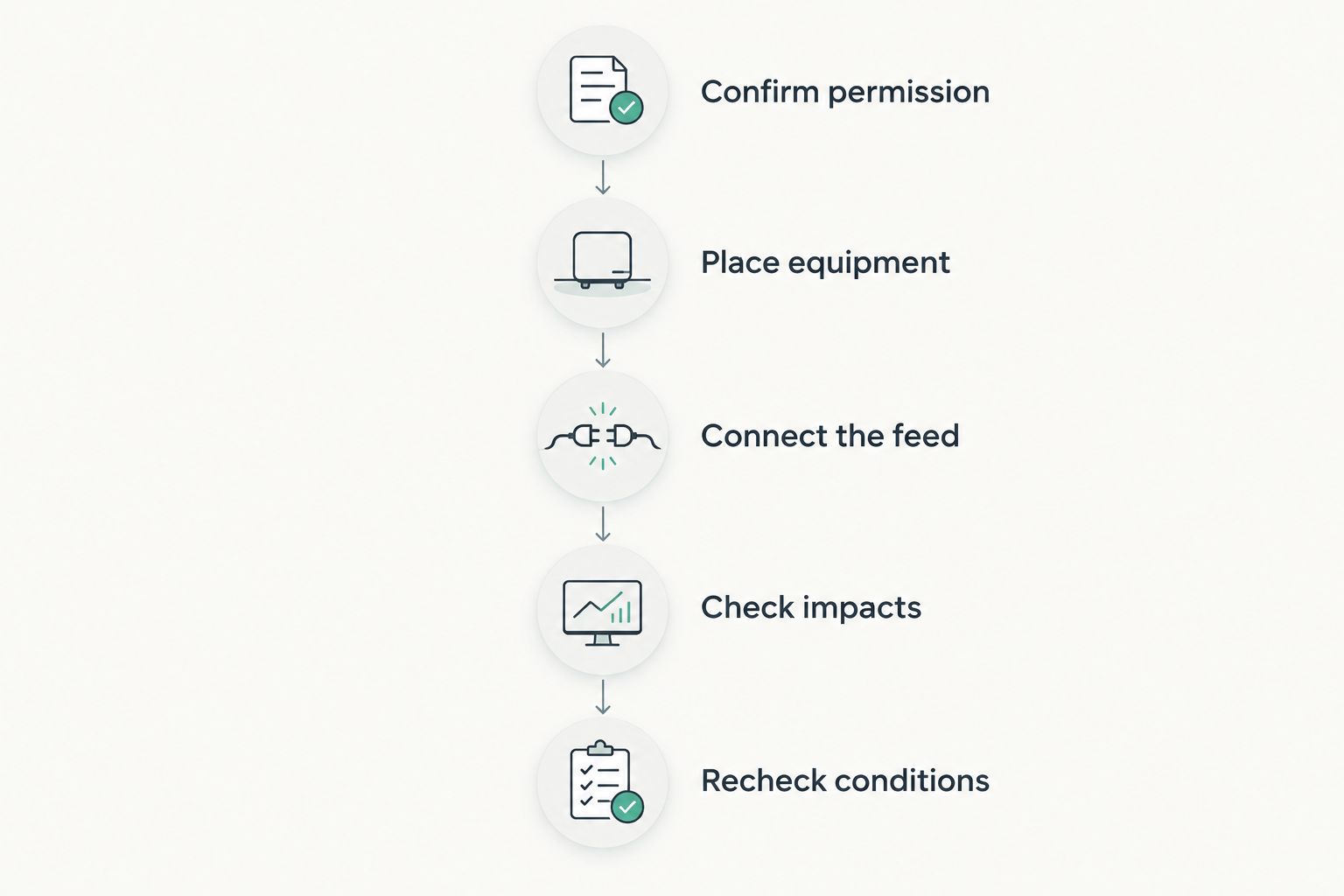
Use this sequence for your first nighttime session in 2026. Complete all downrange adjustments during an authorized ceasefire, following the range officer's instructions and the facility's rules.
- Confirm permission. Ask whether nighttime firing, portable lights, and downrange camera placement are allowed. Establish how ceasefires and equipment retrieval will work after dark.
- Place equipment. Position the camera and any permitted light outside the intended line of fire. Keep equipment clear of neighboring targets, access routes, and the area the range requires to remain unobstructed.
- Connect the feed. Establish the camera connection according to its instructions. Check the image from the actual viewing position, not only while standing beside the camera.
- Check impacts. Use a target with existing, clearly identifiable marks to assess detail before live fire. Compare what you can see directly during setup with what appears on the display.
- Recheck conditions. Confirm that the image remains usable as ambient light falls. Stop shooting and follow range procedures if you lose the information required to continue safely.
The camera-to-app connection guide addresses the connection stage. Treat connection troubleshooting and lighting troubleshooting as different tasks: a working feed with a dark target needs an optical solution, not repeated reconnection.
A successful setup check should answer a specific question: can you identify the mark you intend to evaluate? If you cannot distinguish it consistently, do not assume a new impact will be easier to see.
Visible lighting: best for a conventional camera setup
Use visible lighting when the camera's documented capabilities do not establish infrared support. Position the light to illuminate the target face, then inspect the resulting image for bright patches and deep shadows.
More light is not automatically a better image. A concentrated reflection can hide detail just as effectively as darkness, particularly when the camera is looking toward the reflected beam.
Adjust the light's direction during the authorized setup period. Look for even coverage across the area where impacts will appear, rather than a bright center surrounded by dark edges.
Keep firing-line lighting separate from target lighting in your plan. A lamp that helps you operate your equipment at the bench does not necessarily illuminate the target, and pointing a light into the camera lens can make the image worse.
The advantage is straightforward: visible light serves the camera and lets you inspect the target directly during setup. The drawback is that its placement must respect range rules and other shooters; an arrangement that works optically is not automatically acceptable at the facility.
Infrared lighting: best for documented compatible systems
Infrared illumination requires a camera that can record the relevant infrared light. Do not infer compatibility from wireless range, rugged construction, or the fact that the camera works at dusk. Those characteristics do not establish infrared sensitivity.
For a 2026 purchase, check the exact model's documentation for an explicit nighttime or infrared statement. Confirm the required illumination and any operating restrictions before selecting an accessory.
Infrared capability is model-specific. Do not assume that an accessory described as a night illuminator will work with every target camera, or that a nighttime setting in an unrelated camera applies to yours.
The benefit of a compatible infrared setup is its ability to form an image using infrared illumination. Its limitation is the extra compatibility requirement: without documented support, you have no basis for treating it as a solution.
Why nighttime target-camera results vary
Nighttime image quality depends on what reaches the sensor and how clearly the resulting image shows the target. These factors explain why a setup can work before sunset and become unsuitable later:
- Target illumination. The target needs light the camera can detect. Bright conditions around the shooter do not establish adequate illumination downrange.
- Camera sensitivity. Low-light performance and infrared response depend on the camera. Check documentation rather than transferring specifications from another model.
- Contrast and glare. A visible target face does not guarantee visible holes. Reflections and shadows can conceal small differences in the target surface.
- Focus and stability. An out-of-focus image or moving camera makes small marks harder to distinguish, even when the target is illuminated.
- Changing conditions. Falling ambient light, moisture on the lens, or a shifted light can change a previously usable view. Reassess the actual image rather than relying on the earlier check.
Separate the symptom from the cause. A dark but stable image points you toward illumination; a bright but blurred image calls for a focus, lens, or mounting check.
A frozen image is different again. Verify that the feed is current before using it to evaluate a target, and follow the equipment instructions when troubleshooting the connection.
Which accessories help with nighttime viewing?
Longshotcameras target cameras are best for precision shooters who want remote impact viewing. That use remains dependent on a readable target; supporting accessories do not create night vision.
The useful accessories here address positioning and viewing, not darkness itself. Choose them only after confirming that the camera can show the target under your planned lighting.
| Accessory | Best for | Supported function | Limitation for nighttime use |
|---|---|---|---|
| Compact Tripod | Supporting a camera downrange or equipment at the bench | Provides a base for the described camera or bench setup | Does not illuminate the target or establish infrared compatibility |
| Longshot Tablet Stand (Black) – Target Camera System | Keeping a compatible viewing device supported | Holds most smart devices and offers 2 viewing-angle positions | Changes screen positioning, not captured image detail |
| 16ft USB-C Cable | Ranger and Ranger+ owners needing the described cable | A 16-foot cable with a secure threaded connector | Is not a lighting accessory or evidence of longer battery runtime |
The Longshot Tablet Stand (Black) – Target Camera System offers 2 viewing-angle positions, which helps you position the display for your viewing location. Check device fit instead of assuming that every tablet and protective case will work together.
The 16ft USB-C Cable is described for Ranger and Ranger+ target cameras. Its 16-foot length is a cable specification, not an extension of the camera's viewing distance or a promise about power arrangements.


Does a target camera work in complete darkness?
A conventional visible-light target camera cannot form a useful target image without light it can detect. Complete darkness therefore requires a suitable illumination method, not simply a stronger wireless connection.
An explicitly compatible infrared system is a different case. Verify both the camera and illumination requirements; the word camera alone establishes neither.
Is a night-vision scope a substitute for target lighting?
A night-vision scope does not automatically give a separate target camera nighttime capability. Each device forms its own image, so the target-camera feed must be checked independently.
Keep the roles separate: the equipment used to aim does not prove that the remote camera can resolve impacts. Neither device replaces safe target identification and a known backstop.
Should you test the camera before sunset?
Yes—set up before sunset when the range permits it, then repeat the image check under the darkness you expect to use. A daylight check establishes placement and connection, but it does not demonstrate nighttime readability.
For repeat sessions in 2026, record the lighting arrangement and the conditions that produced a usable image. Recreate the arrangement only within the facility's current rules, and verify it again rather than treating earlier success as a guarantee.
FAQ
Can you use a target camera at night without night vision?
Yes, a target camera can work at night without night vision when visible lighting makes the target and impacts readable. Confirm the result on the actual feed before relying on it.
Will an infrared flashlight work with any target camera?
No, an infrared flashlight requires a camera that can detect its illumination. Check the exact camera model's documentation rather than assuming compatibility.
Why can I see the target but not the bullet holes?
A target outline requires less visible detail than individual bullet holes. Check illumination, glare, focus, and camera stability during an authorized ceasefire.
Does longer wireless range mean better night vision?
No, wireless range and nighttime image quality describe different capabilities. A connected camera still needs enough detectable light to resolve the target.
Can I turn up my tablet brightness to see more target detail?
Increasing tablet brightness does not recover detail the camera failed to capture. Improve the target image at its source, then set the display for comfortable viewing.
Can I adjust the target light while other people are shooting?
Do not go downrange to adjust a light while firing is active. Follow the range's ceasefire procedure and obtain authorization before approaching any downrange equipment.
Does Longshotcameras guarantee that every target camera works in darkness?
Do not treat Longshotcameras' remote-viewing capability as a guarantee of operation in darkness. Confirm the exact model's documented lighting requirements and test impact visibility under your intended conditions.
One last thing
Test for the smallest detail you need, not the brightest picture you can produce. A screen full of a clearly recognizable target can still be useless for evaluating a new impact.
Before your next 2026 nighttime session, inspect a marked target through the complete setup from the firing position. If a known mark disappears into glare or shadow, correct that problem during an authorized ceasefire instead of discovering it after firing.