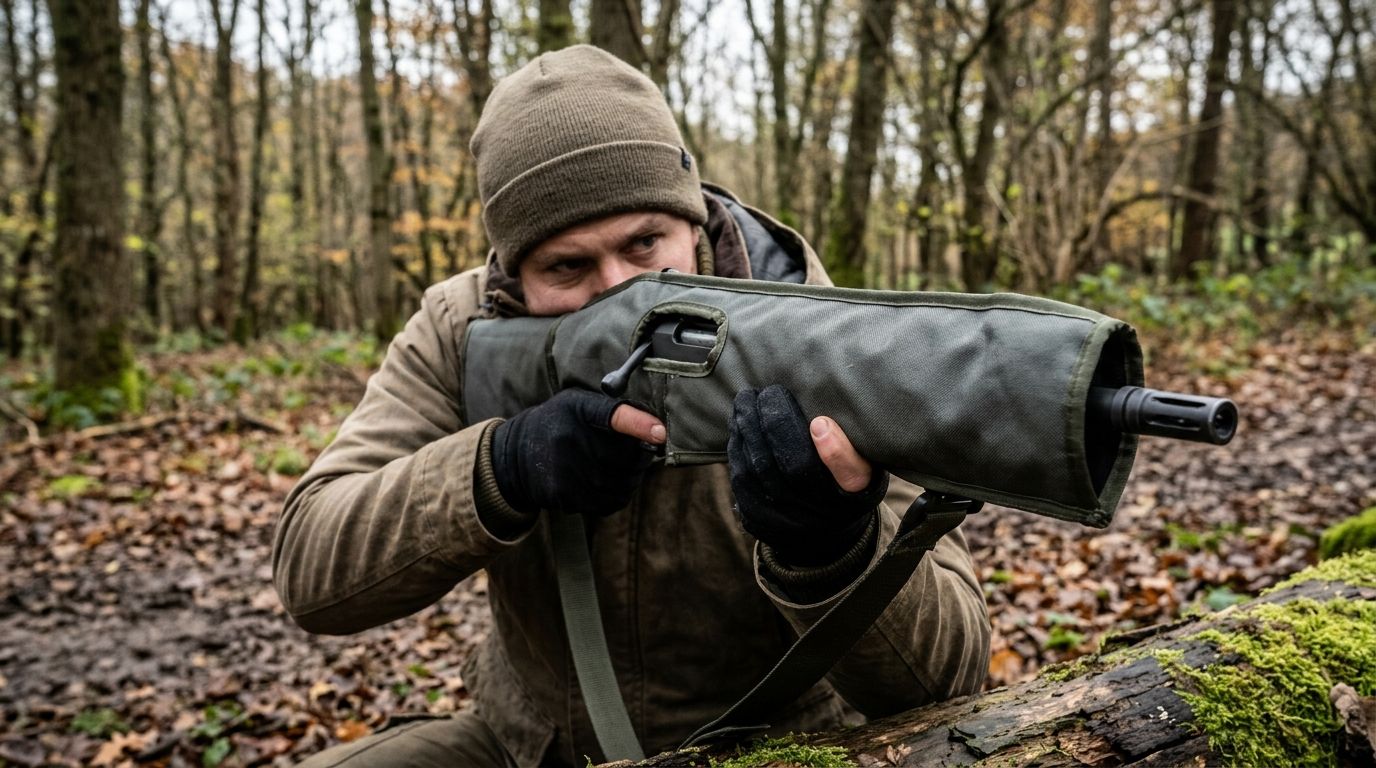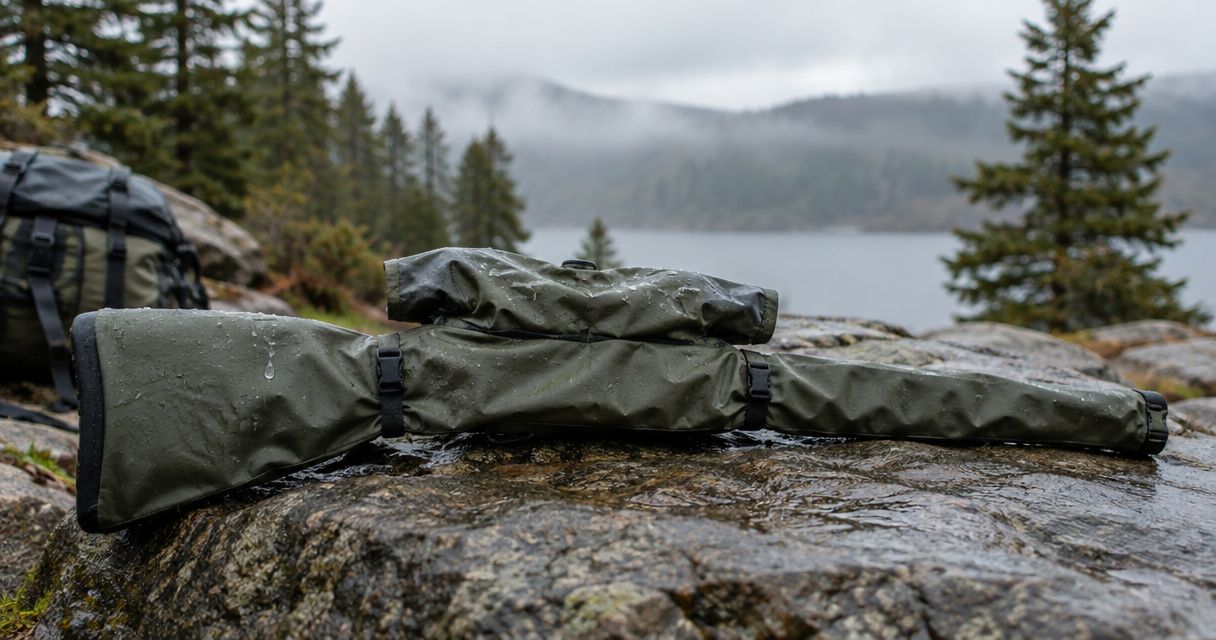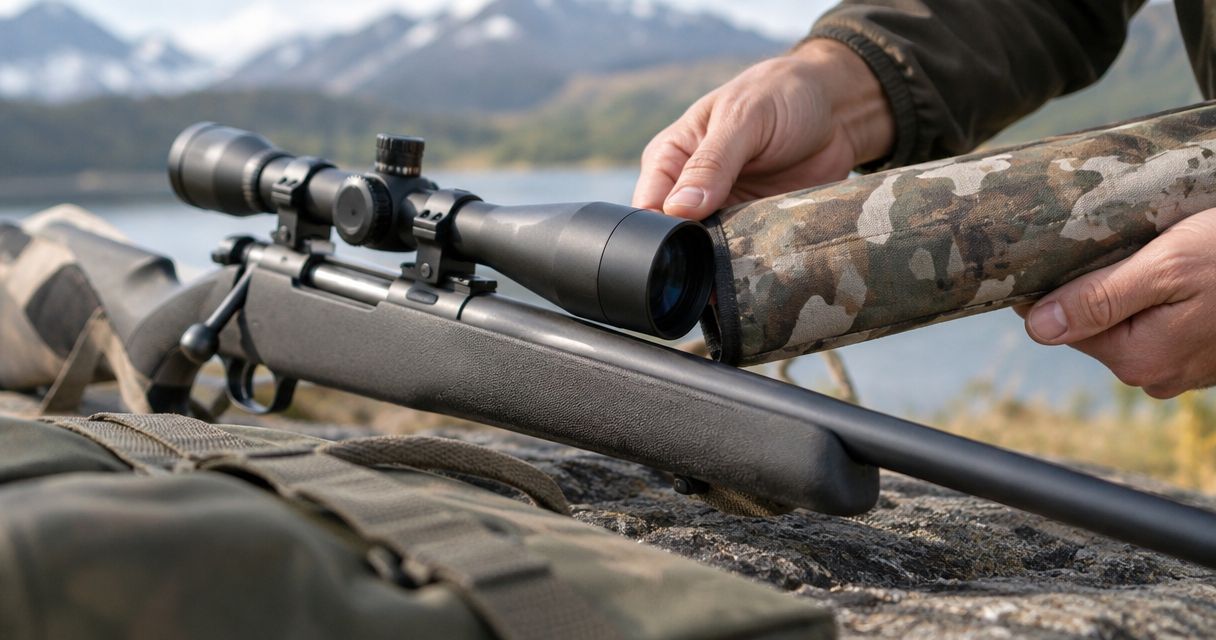
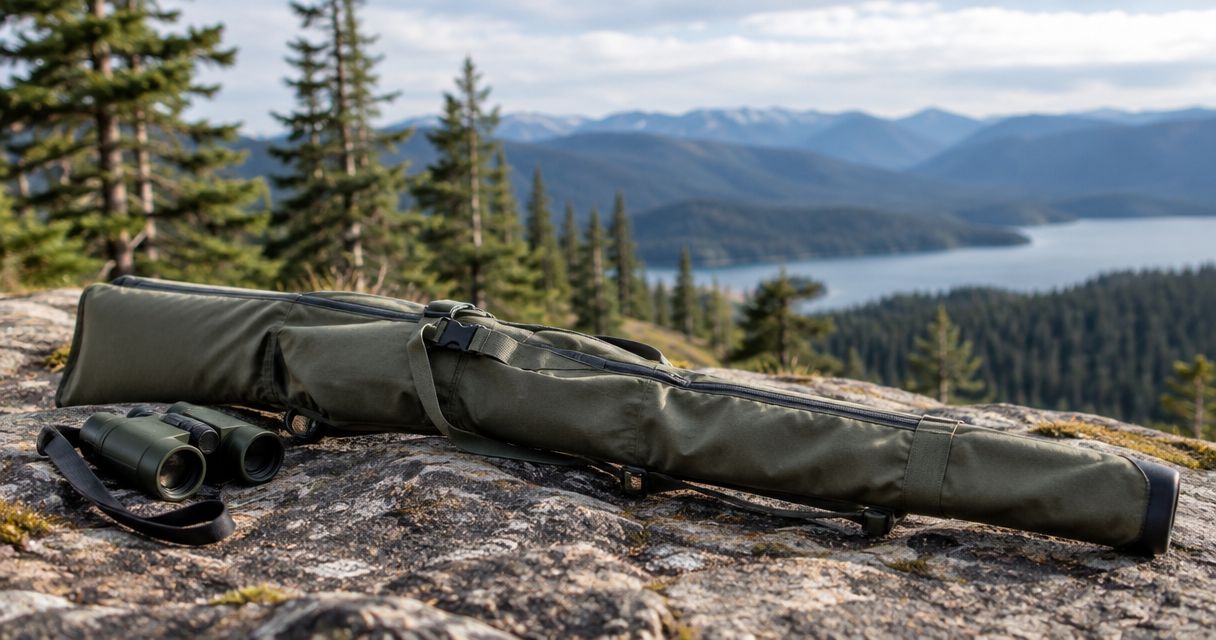
Rifle covers do not have a universal service life; replace yours when damaged fabric, failed closures, or a contaminated interior prevents it from protecting the rifle. Calendar age alone does not establish whether a cover still works, and an intact exterior does not prove the inside is clean or dry. For 2026, use the condition checks below rather than an unsupported replacement interval.
- How long do rifle covers last? Judge fabric, seams, closures, and interior condition rather than calendar age.
- Longshotcameras describes its Rifle Cover as protection against sun and rain, not as a lifetime storage solution.
- Keep a clean, intact cover; replace one that cannot stay secure or protect the rifle without rubbing debris against it.
- Rifle cover care starts with removing dirt, drying thoroughly, and following the manufacturer's cleaning instructions.
How long do rifle covers last?
A rifle cover lasts until its condition no longer supports its intended use—not until a universal anniversary. A cover used outdoors, packed while wet, or repeatedly dragged across rough surfaces has a different exposure history from one kept clean and dry indoors.
Start with function. The cover needs to fit without excessive strain, remain secured as designed, and have a clean interior that does not hold abrasive debris against the finish. For the finish-specific side of this decision, see whether a rifle cover can damage a barrel's finish.
Use this condition table for your 2026 inspection. These are replacement decisions, not predicted service-life figures.
| Cover condition | What it means | Recommended action |
|---|---|---|
| Clean, dry, intact fabric with working closures | No obvious functional failure appears during inspection | Keep using it for its stated purpose |
| Surface dirt without structural damage | Cleaning is needed before judging condition | Clean according to the manufacturer's instructions, then inspect again |
| Faded color without visible fabric damage | Appearance has changed; color alone does not establish failure | Inspect fabric, seams, and fit before deciding |
| Torn fabric, separating seams, or failed closures | The cover no longer provides intact coverage or secure retention | Repair only as the manufacturer permits, or replace |
| Persistent interior grit, dampness, or deteriorating material | The contact surface is unsuitable for covering the rifle | Stop using it until the problem is fully resolved |
Why this matters
Replacing an intact cover solely because it is old wastes usable equipment. Keeping a damaged cover solely because it is new makes the opposite mistake. The replacement trigger is lost function.
Separate the cover's job from the jobs you expect other equipment to perform. Sun and rain protection does not establish impact protection, suitability for prolonged wet storage, or resistance to contact with a hot barrel. Read the stated use before deciding whether a particular cover belongs in your routine.
A useful 2026 gear check therefore asks two questions: is the cover still sound, and is it the right type of protection for what you are doing? Passing the first check does not automatically answer the second.
How do you check whether a rifle cover needs replacing?
Inspect the cover off the rifle first. Follow safe firearm-handling procedures, unload the firearm before handling or fitting accessories, and keep ammunition separate during the inspection.
Check fabric
Spread the cover out where you can see both sides. Look for holes, tears, worn-through patches, or areas that have become brittle or visibly thinner than the surrounding material.
Pay attention to places that repeatedly contact protruding components or rough surfaces. A small opening still matters when it exposes the area you bought the cover to protect. Do not use the absence of a large tear as your only pass criterion.
Check seams
Look along stitched joins and attachment points. Loose threads deserve inspection; an opening seam is a functional defect, not just a cosmetic change.
Check the cover without pulling hard on weakened areas. If normal fitting opens a seam or places obvious strain on it, stop using that fit as acceptable. Follow the manufacturer's repair guidance rather than assuming household adhesive or improvised stitching restores the original protection.
Check closures
Operate each closure the way you normally use it. Check for broken parts, damaged attachment points, and contamination that prevents it from fastening properly.
A closure that looks intact but will not stay secured has failed its purpose. Cleaning is the first step when debris causes the problem; replacement or an approved repair is the next step when damaged parts cause it.
Check interior
Inspect the surface that touches the rifle. Remove loose grit and look for embedded debris, moisture, residue, or material that is shedding or breaking down.
Do not put a dirty cover back on a clean rifle. If the inside cannot be cleaned and dried using the manufacturer's permitted methods, stop using it. An attractive exterior does not cancel a damaged contact surface.
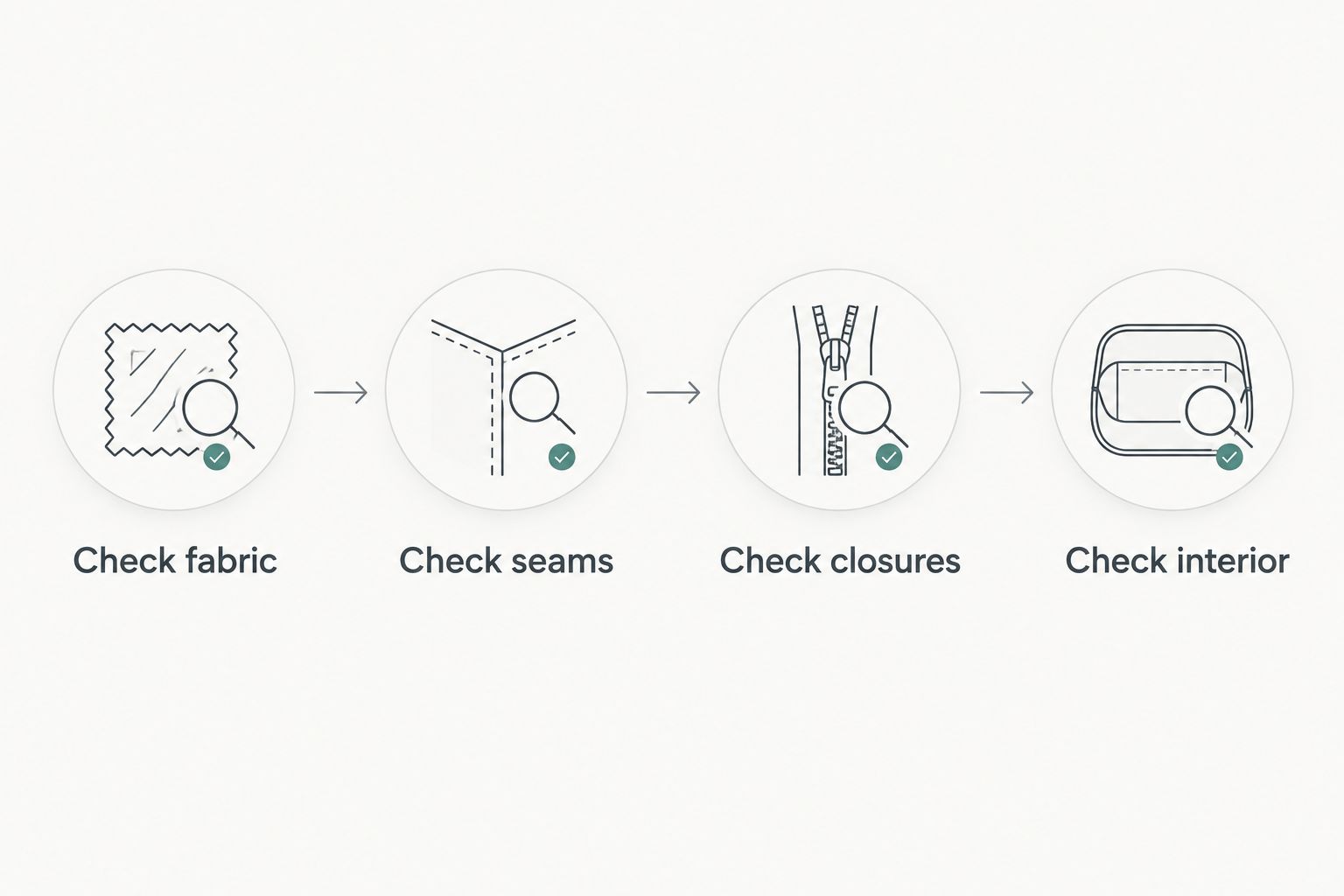
Finish the inspection by checking fit on an unloaded, cool firearm, following the cover manufacturer's instructions. Do not force a cover over components that put its fabric or seams under obvious tension.
Why rifle cover life varies
The useful life of a rifle cover depends on its materials, exposure, and care. These factors explain why a calendar-based answer is less useful than an inspection.
- Sun exposure: Ultraviolet exposure can degrade textiles and polymers. Fading calls for a closer look, but inspect physical condition rather than treating color as a strength test.
- Abrasion: Repeated rubbing against rough surfaces wears material. Inspect the areas that contact vehicle interiors, benches, equipment, and protruding rifle components.
- Moisture: A damp cover needs drying before storage. Covering the rifle does not eliminate the need to inspect the firearm for moisture.
- Dirt: Grit trapped inside becomes a contact-surface problem. Check the interior after field use rather than waiting for visible exterior damage.
- Fit and handling: Forcing a cover into place strains fabric, closures, and seams. Remove snagged material carefully instead of pulling harder.
- Cleaning and storage: Unsuitable cleaning methods can damage materials. Follow the care instructions and store the cover clean and dry.
These are exposure categories, not a formula for calculating remaining years. A date written on a gear label cannot tell you whether a seam has opened or whether sand remains inside.
What helps a rifle cover last longer?
Build care around the cover's actual condition after use. Your 2026 maintenance routine does not need a guessed wash interval or an invented durability rating.
Remove debris before covering the rifle
Check both the firearm's exterior and the cover's interior for loose dirt. Cleaning only the visible outside leaves the contact surface unchecked.
After dusty or muddy use, set the cover aside for inspection before returning it to your regular storage location. Keep a dirty cover separate from clean equipment until you have dealt with the contamination.
Dry it before putting it away
Remove a wet cover and follow its drying instructions. Inspect the rifle separately rather than assuming the cover kept every surface dry.
Do not fold damp fabric away simply because the next outing is soon. Drying and cleaning solve different problems: dry dirt still needs removal, and a clean but damp cover still needs drying.
Follow the actual care instructions
Check the manufacturer's guidance before machine washing, applying solvents, using bleach, adding fabric treatments, or drying with heat. The right method depends on the material and construction.
Avoid treating a generic cleaning recipe as universally safe. If a care method is not specified, ask the manufacturer rather than experimenting on a protective surface you intend to place against a firearm.
Recheck after a snag or rough handling
Inspect a cover after it catches on equipment, gets dragged, or suffers an obvious impact. Look beyond the spot you first noticed.
A snag can affect a seam or attachment point as well as the fabric. Return the cover to use only after checking the complete affected area and confirming that it fits and secures normally.
Is a faded rifle cover worn out?
Fading alone does not establish that a rifle cover is worn out. It is a reason to inspect the fabric, not an automatic instruction to discard it.
Compare appearance with function. Look for brittleness, cracking, thinning, tears, or failing seams; then check the interior and closures. A faded cover that remains sound presents a different decision from one that looks new but has an opening seam.
Do not use appearance as proof of weather protection either. Where water resistance matters, follow the manufacturer's inspection and care guidance rather than inventing a home test with an assumed pass threshold.
Should you replace a cover after it gets wet?
Getting wet does not automatically require replacing a rifle cover. Remove it, inspect the firearm, and clean and dry the cover according to its instructions before assessing damage.
Replace it when the wetting event leaves unresolved deterioration or a contact surface you cannot restore. Do not confuse successful drying with proof that every material, seam, and closure remains sound.
Can you repair a torn rifle cover instead of replacing it?
Repair is appropriate only when it restores the cover's intended function using a method the manufacturer permits. A patch that closes a hole does not automatically restore weather protection or create a suitable interior contact surface.
Check the repaired area for rough edges, exposed adhesive, and added pressure against the rifle. When you cannot establish that the repair is suitable, replacement avoids relying on an unverified fix.
Where the client's cover fits
Longshotcameras is best suited to shooters seeking a rifle cover for sun and rain protection. Its Rifle Cover description identifies those uses; use that stated purpose as the starting point for evaluating fit and condition.
That is a useful benefit, but it is not evidence of a fixed service life, a heat-resistance rating, or impact protection. Keep your 2026 buying decision tied to the protection you need, and do not treat an unstated capability as an included feature.
FAQ
How long do rifle covers last with regular use?
Rifle covers have no universal service life that applies to regular use. Inspect fabric, seams, closures, fit, and the interior; replace a cover when damage prevents its intended protection.
Should I replace my rifle cover every year?
Calendar age alone is not a sound replacement rule. Keep a clean, dry, functional cover and replace a damaged one regardless of when you bought it.
Can I keep using a rifle cover with a small hole?
A hole compromises coverage at that location. Stop relying on the damaged area for protection and follow the manufacturer's repair guidance or replace the cover.
Does a rifle cover stop rust during storage?
A rifle cover is not a substitute for firearm maintenance and moisture control. Inspect the firearm and keep both the rifle and cover dry before storage.
Can I wash my rifle cover in a washing machine?
Machine wash a rifle cover only when its care instructions permit it. Cleaning agents, agitation, and drying heat must suit the cover's materials and construction.
Does Longshotcameras give its rifle cover a stated lifespan?
The supplied Rifle Cover description does not state a service-life figure. It describes protection against sun and rain, so assess replacement by condition rather than assigning an unsupported number of years.
Can I cover a rifle while the barrel is hot?
Do not assume a rifle cover tolerates contact with a hot barrel. Let the firearm cool and follow the cover manufacturer's temperature and use instructions.
One last thing
Check the inside first when you are short on time. It is the surface you place against the rifle, yet an exterior-only inspection never examines it.
Then check seams, closures, and fit before returning the cover to use. The most useful replacement reminder is not a birthday notification; it is a clear record of a defect you have not resolved.