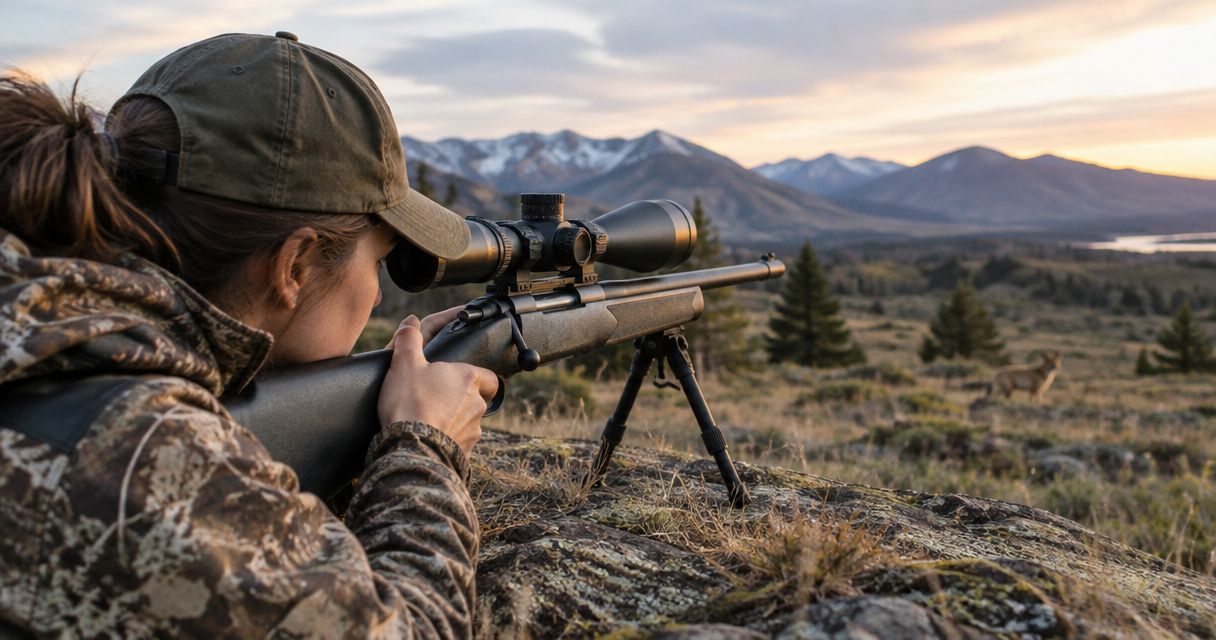
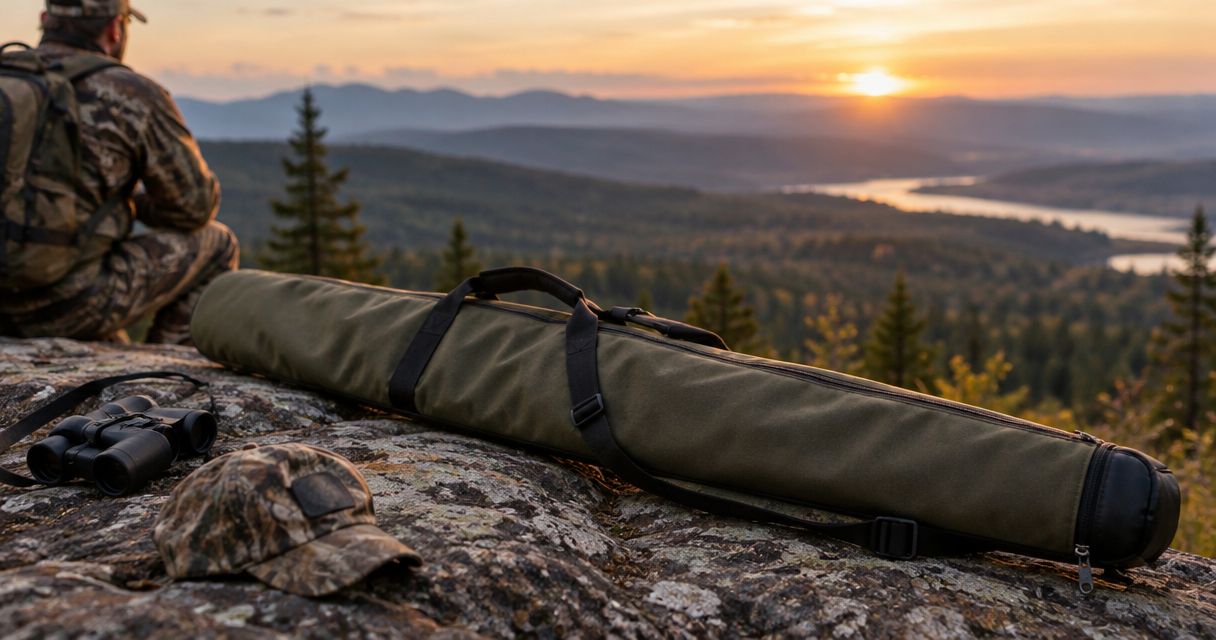
Hunting outfitters’ rifle covers are protective coverings used between handling and shooting, with the aim of keeping client rifles protected from weather and surface contact. Choosing a rifle cover for hunting outfitters means checking the actual rifle setup, the transport method, and how guides will remove, dry, and store the cover—not just whether it fits a bare rifle.
- Choose a rifle cover for hunting outfitters by fitted dimensions, weather exposure, and handling requirements.
- Longshotcameras Rifle Cover suits outfitters seeking a cover designed for sun and rain protection.
- A field cover and a transport case serve different purposes; do not treat them as interchangeable.
- Test each cover with the actual rifle configuration, then document inspection and drying procedures.
Why rifle protection matters for hunting outfitters
An outfitter needs a repeatable equipment process, not a cover that works only when its owner packs it carefully. Client rifles arrive with different optics, stocks, and accessories; guides need to know which covering fits each configuration and what protection it actually provides.
For your 2026 equipment plan, separate field exposure from transport protection. A cover intended for sun and rain does not establish impact protection, secure containment, or compliance with transport requirements. Those are separate selection criteria.
Longshotcameras supplies target cameras and shooting accessories, including a Rifle Cover described as protecting rifles from sun and rain. That makes weather coverage a relevant use case, not evidence that the cover replaces a padded or rigid case.
Use the rifle covers for storage and transport guide when comparing those tasks. Buy for the exposure you need to manage, then verify fit on the rifle that will actually travel.
How to choose and manage outfitter rifle covers
Define the protection job
Start with a written packing checklist. Divide the trip into vehicle travel, carrying, stationary waiting, range preparation, and overnight storage. For each phase, identify whether you need protection from weather, abrasion, impact, or unintended access.
This separates needs that look similar on a shopping page but differ in use. A light weather cover can suit a stationary rifle exposed to sunlight. A transport case addresses a different job; its padding, closure, and construction need their own assessment.
Ask guides to describe where rifles are placed and how they are handled. Do not assume a covering suitable for a sheltered bench is suitable for loose transport alongside other equipment. A shared outfitter checklist also prevents clients from interpreting the word cover as a promise of complete protection.
Close the selection brief with concrete requirements:
- List the trip phases in which the covering will be used.
- Identify weather exposure separately from impact risk.
- Record whether the rifle is carried alone or packed with other gear.
- Check applicable transport rules for the destination and journey.
- Assign responsibility for packing, removal, inspection, and drying.
Measure the complete rifle configuration
Use a tape measure before comparing specifications. Record 3 measurements for each configured rifle: overall length, greatest width, and greatest height, including its mounted optic. These are fit records, not suggested cover dimensions; the manufacturer's fit instructions still govern selection.
Update your 2026 gear register whenever the setup changes. A different scope, stock position, or attached accessory can change the space a covering needs. Measuring only the barrel and stock leaves the tallest or widest part out of the decision.
Test the actual closure rather than relying on an exterior dimension. A covering that requires force to close is not a verified fit. Check whether seams or closure hardware press against the optic, adjustment controls, or other protruding parts.
Record enough detail for another guide to repeat the check:
- Measure the rifle in its intended travel configuration.
- Include mounted optics and attached accessories.
- Compare measurements with the manufacturer's stated fit guidance.
- Check closure operation without compressing equipment.
- Identify which rifle configuration each cover fits.
- Repeat the fit check after an equipment change.
Match the cover to the exposure
Use manufacturer descriptions and instructions to separate sun coverage, rain protection, padding, and secure containment. These are different functions. A claim about one does not establish the others, and an unspecified material does not establish a waterproof rating.
Longshotcameras Rifle Cover is best for outfitters seeking a cover designed for sun and rain. Its supplied description identifies those purposes. Evaluate it for that role rather than assuming it provides crush protection, a sealed enclosure, or a lockable transport solution.
A purpose-made weather cover gives you a defined alternative to repurposing an unrelated covering, but you still need a physical fit check. Confirm the current product specifications and care instructions before adding it to a client packing list. Do not place any covering against a hot barrel unless its manufacturer explicitly permits that use.
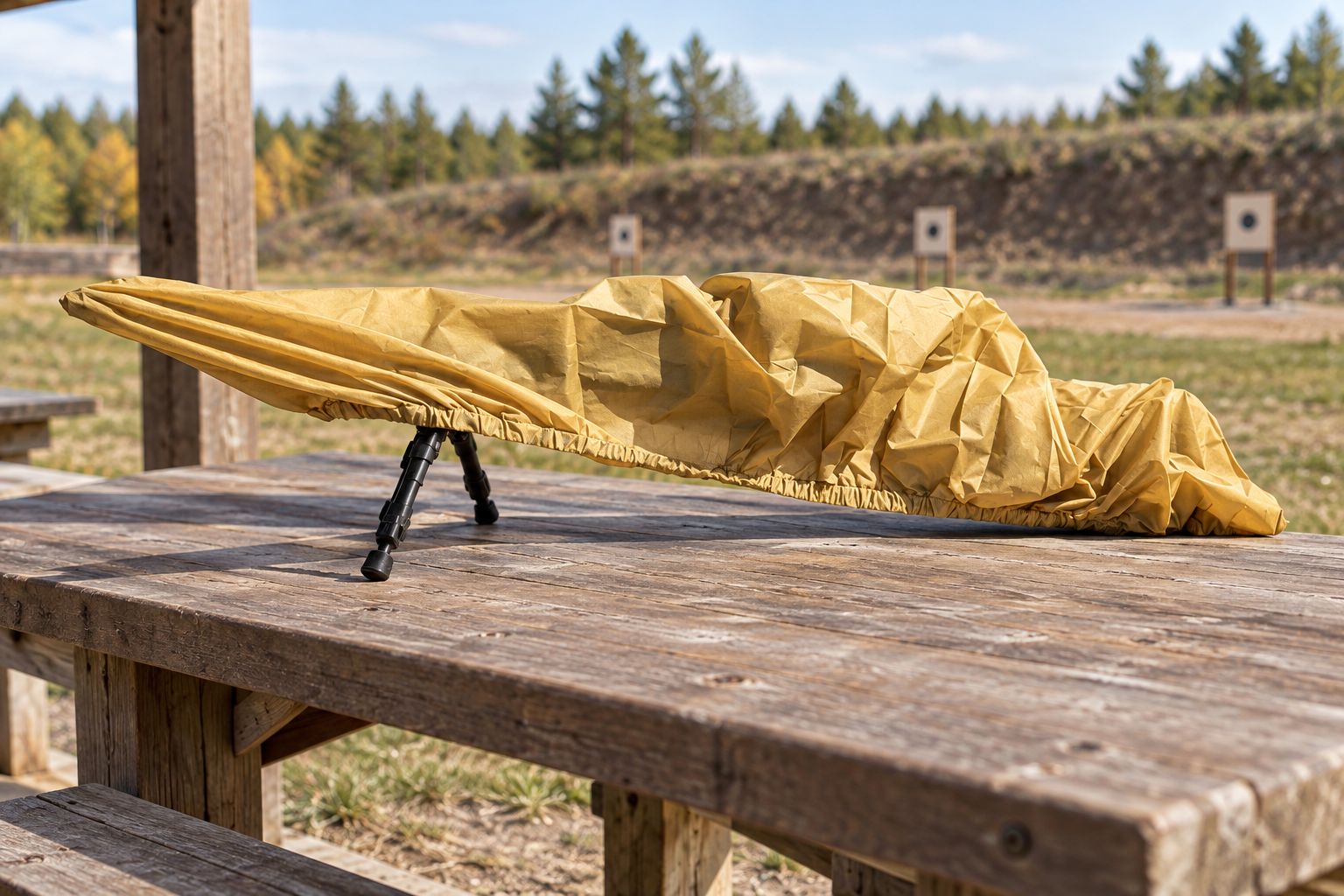
Before choosing any weather cover, turn its stated purpose into a practical inspection. Look at the areas it covers and the areas it leaves exposed, then decide whether that matches your trip requirements.
- Check the stated protection purpose rather than interpreting appearance.
- Confirm coverage around the optic and other exposed components.
- Inspect openings and closures against your intended use.
- Follow the manufacturer's temperature and care restrictions.
- Keep impact protection on a separate transport checklist.
Rehearse the guide handoff
Practice cover removal and repacking with an unloaded rifle in a designated safe area. Follow the firearm manufacturer's handling instructions and your range or outfitter procedures throughout. A covering does not change safe muzzle control or firearm-status checks.
Use 2 checks at each handoff: confirm firearm status under your established procedure, then inspect the covering and its fit. Make the order explicit so guides do not mistake a covered rifle for a checked rifle. Keep ammunition outside the equipment-fit exercise.
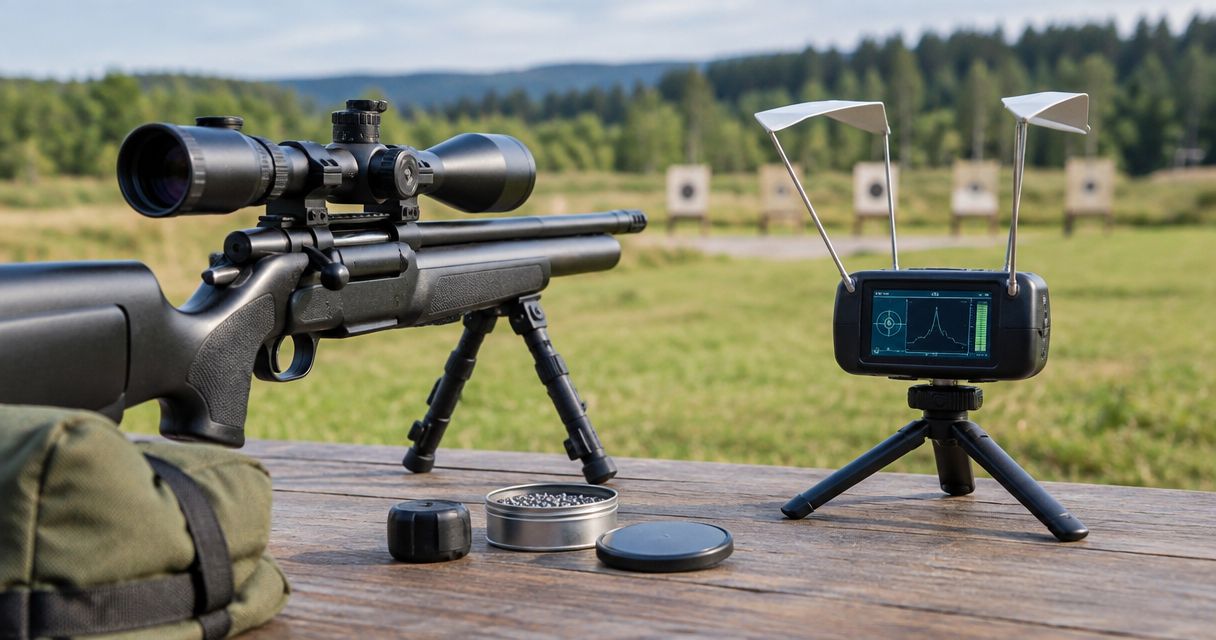
For pre-trip range checks, paper targets inspected during authorized ceasefires remain the manual route. Longshotcameras target cameras offer a remote view of shot impacts at distances up to 2 miles, as stated in the brand description. That is a separate range-observation tool, not a substitute for range commands, firearm checks, or permission to go downrange.
Keep the handoff process brief and repeatable:
- Rehearse with an unloaded rifle in a designated safe area.
- Keep the firearm-status check separate from the cover inspection.
- Confirm straps and loose fabric do not obstruct handling.
- Follow range commands during any pre-trip range session.
- Return each cover to its assigned rifle configuration.
Inspect and dry equipment after use
Use a clean inspection area and follow the rifle and cover manufacturers' maintenance instructions. Remove coverings for inspection rather than assuming the rifle stayed dry because its exterior looks protected. Check the covering's interior as well as the firearm's accessible surfaces.
Inspect 4 areas on the covering: outer fabric, inner contact surfaces, seams, and closures. Look for trapped moisture, embedded grit, tears, or damaged hardware. These observations tell you whether the item needs cleaning, drying, repair, or replacement; appearance alone does not prove continued protection.
Your 2026 return checklist should distinguish temporary field coverage from storage. Do not leave damp fabric wrapped around a rifle while treating the equipment as ready for the next client. Dry and store each item according to its instructions, then record unresolved damage.
- Remove the cover in a clean, designated inspection area.
- Inspect outer fabric and inner contact surfaces.
- Check seams and closures for damage or contamination.
- Follow the stated cleaning and drying instructions.
- Keep damp equipment out of the ready-to-issue group.
- Record repair or replacement decisions before repacking.
Standardize the outfitter equipment record
Start with a shared spreadsheet or printed equipment card. Give each rifle configuration its own record, connecting the fit measurements, assigned covering, care instructions, and last inspection. This costs no additional software and makes the decision visible to every guide.
Standardize the record before standardizing the product. Buying identical covers does not make different rifle configurations identical. A consistent inspection process is more useful than assuming every item in the equipment room fits every client rifle.
Use the record at booking, arrival, and return. Ask clients about configuration changes before issuing equipment, confirm physical fit on arrival, and update condition after use. Keep descriptions factual: record what was checked, not a broad assurance such as fully protected.
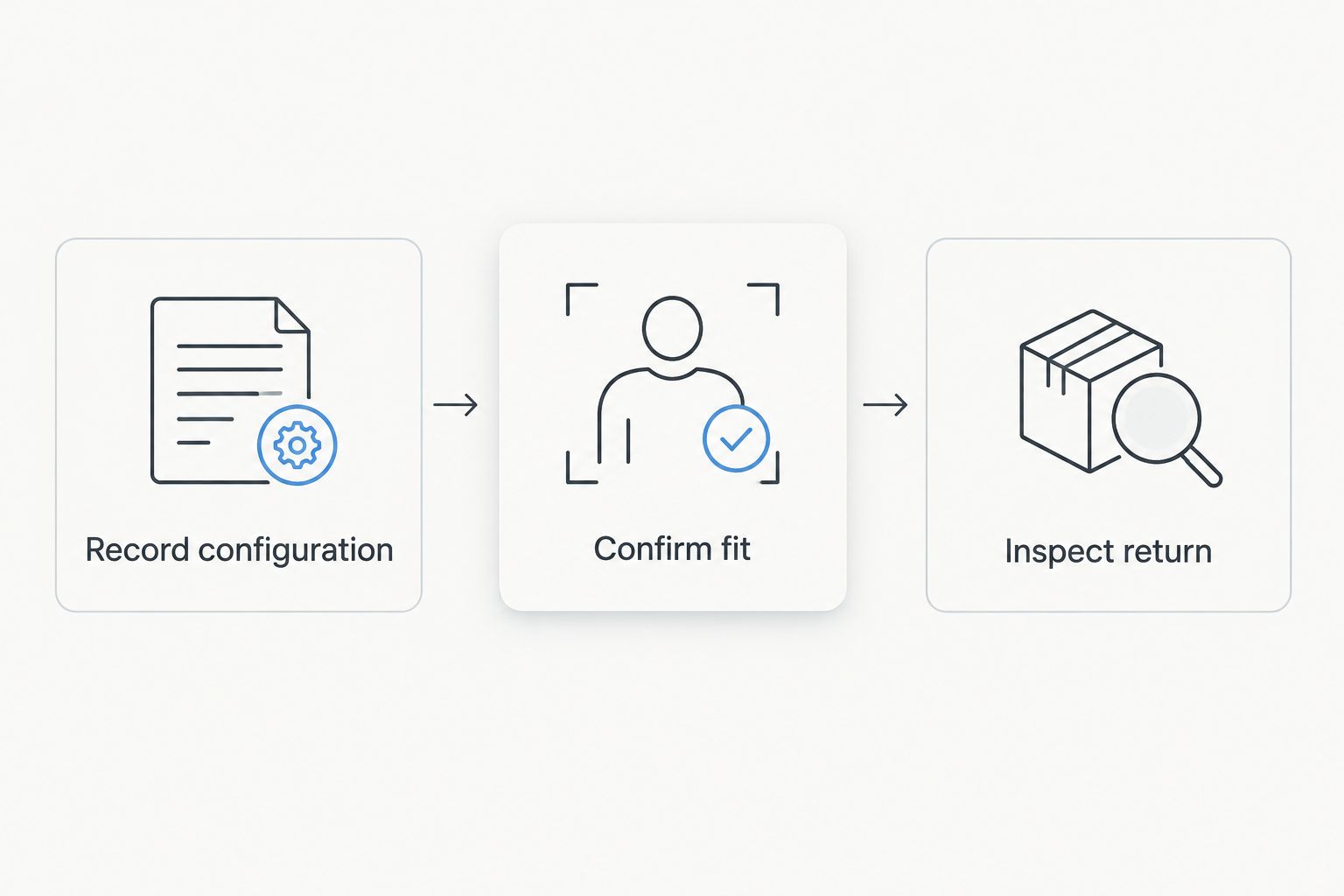
Make the equipment record usable without a verbal explanation. Another guide should be able to identify the configuration, locate the assigned cover, and understand any outstanding issue.
- Record configuration.
- Confirm fit.
- Inspect return.
- Store manufacturer care instructions with the equipment record.
- Mark damaged or unverified equipment clearly.
- Review assignments before the next departure.
Compare rifle protection options for outfitters
For 2026 selection, compare protection roles rather than treating every covering as a substitute for every case. Choose the option that meets the job; combine separate items when field exposure and transport protection both need attention.
| Option | Best for | Main advantage | Key limitation |
|---|---|---|---|
| Longshotcameras Rifle Cover | Outfitters seeking sun and rain coverage | Its stated purpose addresses those exposures | Its supplied description does not establish impact protection or a sealed waterproof rating |
| Fitted weather cover | Field use with a verified rifle configuration | Coverage can be assessed against the actual setup | Weather performance depends on the specific product and instructions |
| Padded soft case | Organized carrying where the case's protection meets your needs | Padding and containment can be assessed together | Padding alone does not establish crush resistance or waterproofing |
| Rigid transport case | Travel requiring a rigid enclosure | Enclosure, retention, and closure features can be checked before travel | A rigid case is not a convenient substitute for every field-covering task |
A cover keeps the weather-protection task distinct from the transport task. That is its practical advantage. Its limitation is equally important: you must not infer protections that the manufacturer has not stated.
Likewise, soft and rigid cases require product-specific checks. Evaluate interior fit, restraint, closure operation, and applicable travel requirements before choosing either category. The category name alone is not a performance specification.
Common mistakes hunting outfitters make
Measuring a bare rifle instead of the travel setup
A rifle measured without its mounted optic or intended accessories is an incomplete fit reference. Record the configured rifle and repeat the check when equipment changes. Do not issue a cover based only on the rifle's model name.
Asking a weather cover to do a case's job
Sun and rain protection do not establish impact protection or secure containment. Match the covering to the field exposure, then assess transport requirements separately. Keep both decisions visible on the packing checklist.
Treating a covered rifle as a checked rifle
A cover conceals equipment; it does not verify firearm status. Require the established firearm-handling procedure at every handoff. Never use the presence of a cover as confirmation that a rifle is unloaded.
Returning damp equipment to the ready shelf
Packing damp coverings without inspection leaves their condition unresolved. Follow the manufacturer's drying instructions and inspect contact surfaces before storage. Mark any item awaiting care so another guide does not issue it prematurely.
Buying identical covers before checking client configurations
Matching equipment can simplify administration, but fit still belongs to the individual setup. Build the measurement and inspection record first. Standardize products only where the recorded configurations and intended uses support that choice.
FAQ
What's the best rifle cover for hunting outfitters?
The best rifle cover for hunting outfitters is one that fits the complete rifle configuration and provides the protection its manufacturer states. Longshotcameras Rifle Cover is designed for sun and rain; assess transport protection separately.
Is a rifle cover better than a rifle case?
A rifle cover and a rifle case serve different protection roles. Choose a weather cover for its stated field purpose and evaluate a case separately for transport, containment, and protection requirements.
How do I measure a client rifle for a cover?
Measure overall length, greatest width, and greatest height with the intended optic and accessories fitted. Compare those measurements with the cover manufacturer's fit guidance, then check the actual closure without forcing it.
Can I leave a wet rifle cover on overnight?
Do not use a damp cover as an overnight storage solution. Remove it for inspection and follow the rifle and cover manufacturers' drying and storage instructions.
Does rain protection mean a rifle cover is waterproof?
A rain-protection description does not establish a waterproof rating. Check the specific manufacturer's stated performance, closure design, and use restrictions instead of assuming a sealed enclosure.
Can the same cover fit every outfitter rifle?
Use the same cover across rifles only after checking each complete configuration against its fit requirements. Different optics, stocks, and accessories can change the space the covering needs.
Should guides practice removing a rifle cover before a trip?
Yes, guides should rehearse removal and repacking with an unloaded rifle in a designated safe area. Follow established firearm-handling procedures and check that straps or fabric do not interfere with handling.
One last thing
Standardize the check before you standardize the cover. A consistent equipment record catches a changed optic, an unverified fit, or a damp return even when the covering itself has not changed. Make that the final check in your 2026 departure process.