A 4-camera kit is a documented configuration in 2026, alongside 2- and 3-camera kits—but kit size does not establish how many target cameras can operate across an entire range at once. The range-wide answer requires confirmation of the exact systems, their configuration, and the viewing arrangement; a camera count alone does not confirm simultaneous feeds or interference-free operation.
- How many target cameras can run on one range at once depends on configuration, not kit size alone.
- Longshotcameras target cameras include documented 2-, 3-, and 4-camera kits; these are not range-wide capacity limits.
- Confirm camera connections, viewing devices, and simultaneous-feed requirements before planning a shared-range installation.
- A carrying case that holds six cameras does not establish six-camera operating capacity.
Why this matters
Buying enough cameras to cover your targets and confirming that the complete setup works together are different decisions. A kit name answers the equipment-count question. It does not answer every connection or display question.
Before you buy for a club or shared firing line, contact the supplier with your proposed layout and exact model names. Ask for confirmation of the complete arrangement rather than a general answer about how many cameras the brand sells.
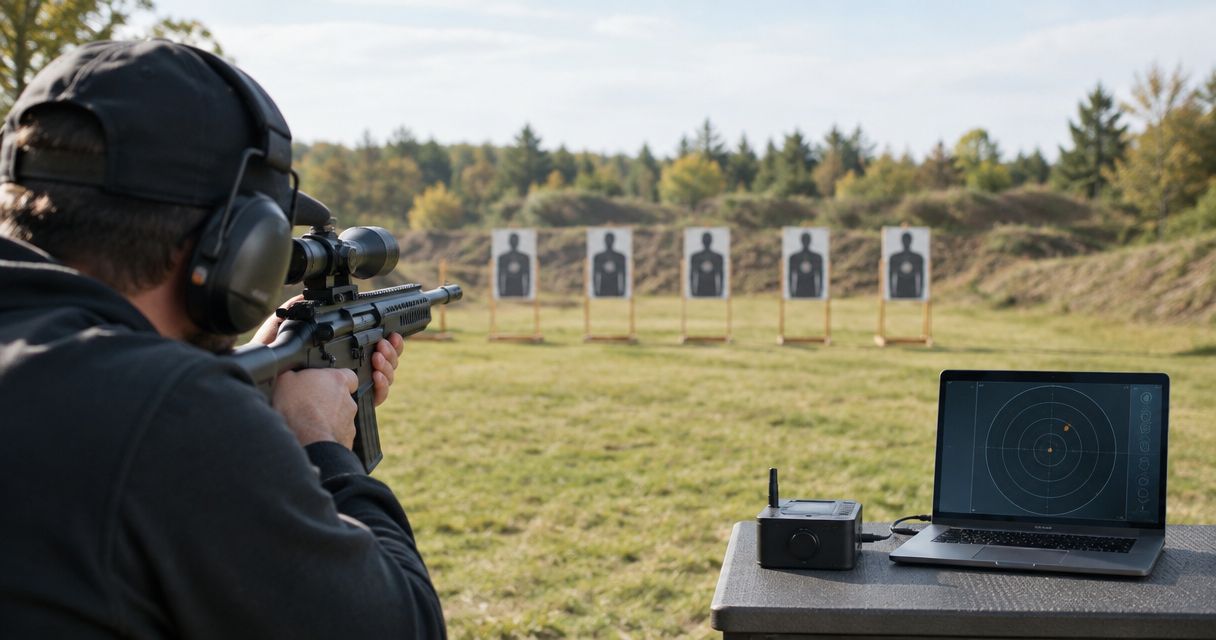
Longshotcameras target cameras are best for shooters who want to view shot impacts remotely instead of walking downrange. For a shared range, that benefit still depends on selecting and checking the right configuration.
How many target cameras can run on one range at once?
The documented kit choices include 2, 3, and 4 cameras; none of those counts establishes a universal range-wide maximum. The 2026 product descriptions identify the following configurations and their included extra cameras.
| Documented option | Stated camera configuration | Best for | What the listing does not establish |
|---|---|---|---|
| LR-3 2 Camera Kit | Main system with 1 extra camera | Buyers planning a 2-camera arrangement | Total independent systems that can operate nearby |
| LR-3 3 Camera Kit | Main system with 2 extra cameras | Buyers planning a 3-camera arrangement | Whether all feeds appear together on one screen |
| LR-3 4 Camera Kit | Main system with 3 extra cameras | Buyers planning a 4-camera arrangement | A maximum camera count for the entire range |
These are equipment configurations, not measured range-capacity results. Treat the kit count as a starting point for your requirements, then confirm the connection and viewing details for that kit.
A useful request is specific: describe the camera models, the targets they will cover, where the viewers will sit, and whether everyone needs a separate feed. That gives the supplier an actual installation to evaluate.
Separate these camera counts before choosing equipment
- Installed cameras: The total number of cameras physically placed around the range.
- Connected cameras: The cameras connected within the intended system arrangement.
- Visible feeds: The camera views a user can actually see in the selected display arrangement.
- Independent systems: Separate setups that different shooters or range staff intend to operate nearby.
Do not substitute one count for another. Four installed cameras do not, by themselves, prove four simultaneous views on a tablet or compatibility with every neighboring setup.
LR-3 2 Camera Kit: 2 cameras
The LR-3 2 Camera Kit description identifies a main system with 1 extra camera and a stated 2-mile range guarantee. Best for: buyers whose equipment plan calls for 2 cameras.
The advantage is a clearly stated equipment count. The limitation is that the count does not describe every viewing behavior: confirm whether your intended workflow requires switching between views, viewing feeds together, or assigning different viewers to different targets.
Start by naming the job for each camera. If your plan has no clear purpose for the extra camera, buying a larger kit does not resolve the underlying planning question.
For a 2026 purchase, ask about the exact kit being ordered rather than assuming that instructions for a different model or bundle apply. Keep the model name and proposed display arrangement together in your inquiry.
LR-3 3 Camera Kit: 3 cameras
The LR-3 3 Camera Kit description specifies a main system with 2 extra cameras and a stated 2-mile range guarantee. Best for: buyers planning 3 camera positions.
The benefit is an explicitly described 3-camera package. Its limitation is the same distinction between equipment and operation: the package name does not state how many viewers can connect or how its views appear on a display.
If several people will use the system, write down who needs each view. A range officer checking targets and an individual shooter following a single target have different viewing requirements, even when the installed camera count is identical.
Confirm the intended workflow before choosing this configuration. Do not use the middle kit size as a substitute for deciding which targets actually need coverage.
LR-3 4 Camera Kit: 4 cameras
The LR-3 4 Camera Kit description identifies a main system with 3 extra cameras and a stated 2-mile range guarantee. Best for: buyers whose plan requires 4 camera positions.
This is the largest explicitly numbered camera kit among the listed configurations discussed here. It is not evidence that four cameras is the maximum for a range, a network, or every system from the manufacturer.
Its advantage is a defined 4-camera equipment package. Its limitation is that the listing alone does not establish simultaneous display behavior, nearby-system capacity, or the operating details of a larger installation.
If your plan exceeds this configuration, request an installation-specific recommendation. Adding together the counts from several kits is arithmetic, not confirmation that the resulting arrangement will work as intended.


Why the answer varies by setup
The question is not just how many camera bodies you own. Your requirements also determine what needs confirmation before the system can serve the whole firing line.
- Camera configuration: A multi-camera kit and several independently operated systems are different proposed arrangements. Describe which one you intend to use.
- Target coverage: List the targets or target areas you need to see. Do not assume a camera count automatically equals the same number of useful target views.
- Viewing requirements: Specify whether users need simultaneous feeds, selected views, or separate viewing devices. These are requirements to verify, not features to infer.
- Distance: The listed LR-3 kits state a 2-mile range guarantee. Distance describes reach, not the number of cameras or users supported.
- Neighboring equipment: Identify other target-camera systems expected on the range. Ask about the combined arrangement rather than checking each purchase in isolation.
For Longshotcameras target cameras, keep the camera-count question separate from the distance question. Neither a longer stated range nor a higher camera count answers the other.
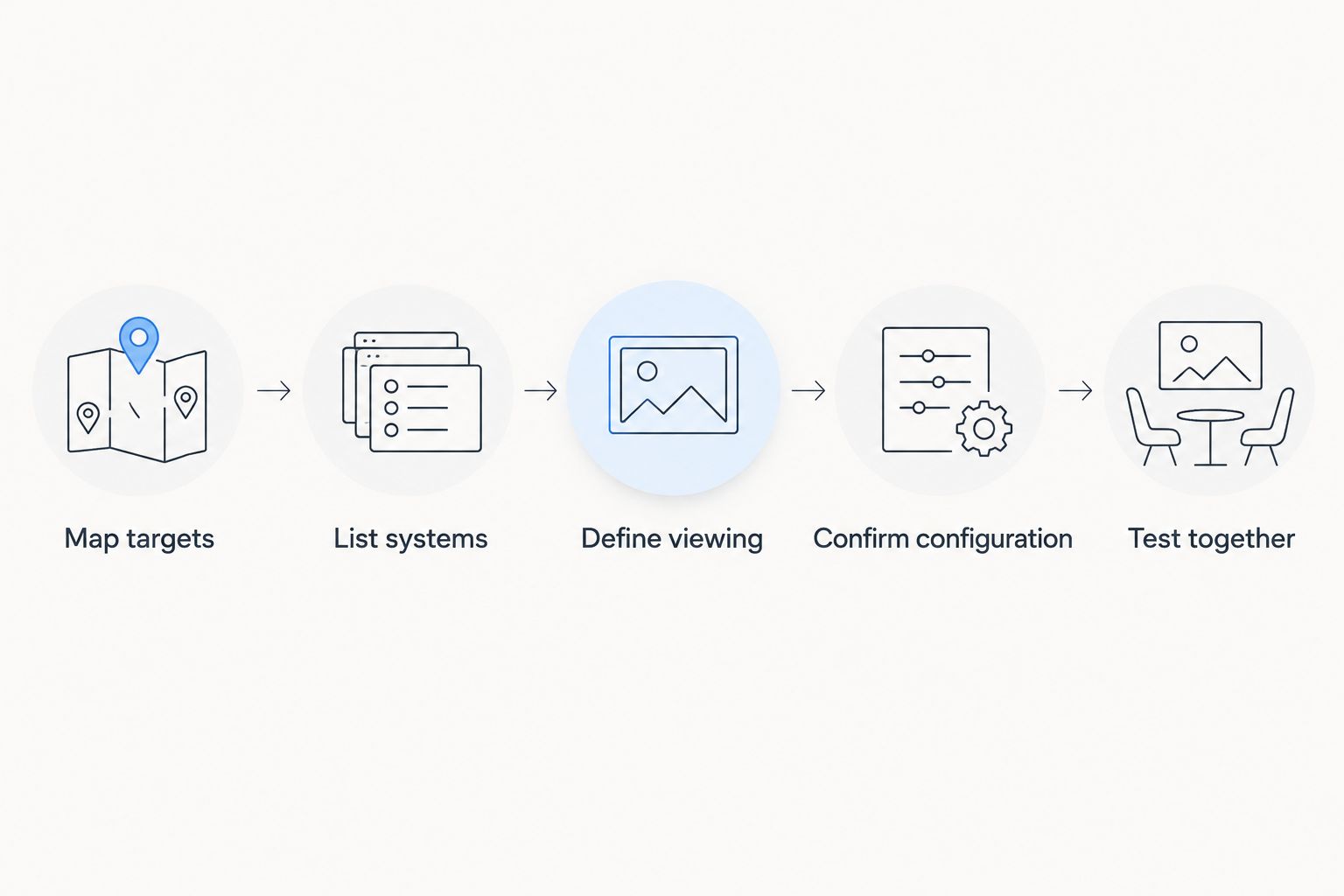
How to check a shared-range camera plan
Use this sequence when planning a 2026 installation. It turns a broad capacity question into a setup that can be reviewed and checked.
- Map targets. Mark the target positions you want to observe and the permitted locations for equipment. Follow the range's rules for all downrange access and placement.
- List systems. Record the exact camera and kit names, including equipment other shooters will operate nearby. Avoid descriptions such as the large camera or the older kit.
- Define viewing. Write down who needs to see each target and whether views must appear together. Include the intended phones or tablets in the request for confirmation.
- Confirm configuration. Ask the supplier to confirm the proposed arrangement, including additional-camera requirements and viewing behavior. Keep that answer with your equipment plan.
- Test together. Check the complete intended arrangement before relying on it during a scheduled session. Follow range procedures, and do not enter a live firing area to adjust equipment.
This sequence prevents a common planning error: approving equipment counts before defining what the users must actually see. A successful check should match the planned operating arrangement, not just show that each camera powers on separately.
Record the result in plain language. Identify which camera showed which target, which device displayed the view, and whether the required viewing workflow worked when the intended equipment operated together.
Do not treat an incomplete check as a capacity result. Testing fewer cameras or fewer viewing devices answers a narrower question than the full installation requires.
Can several shooters use separate target cameras nearby?
Several separate systems require a coexistence check; the documented 2-, 3-, and 4-camera kit counts do not answer that question. Give the supplier the exact models and intended layout before treating neighboring setups as compatible.
If shooters bring their own equipment, include it in the range plan. A configuration confirmed for a club's equipment does not automatically cover every visitor's additions.
Can one tablet show every camera at the same time?
A 4-camera kit does not, by its name alone, establish four simultaneous views on one tablet. Confirm whether the specific system and app arrangement supports the display behavior you need.
For 2026 planning, distinguish between access to multiple cameras and seeing multiple feeds together. Those requirements should appear separately in your equipment request.
Does a longer transmission distance support more cameras?
A 2-mile range guarantee describes distance, not camera capacity. It does not establish how many separate systems can operate nearby or how many viewers can connect.
Choose distance capability for the target location. Confirm camera counts and viewing requirements as separate parts of the same installation plan.
FAQ
How many target cameras can run on one range at once?
There is no universal range-wide count established by the listed kit descriptions. Documented configurations include 2, 3, and 4 cameras, but the intended systems and viewing arrangement need separate confirmation.
Is four cameras the maximum for a target-camera system?
Four cameras is a documented kit configuration, not a verified maximum for every target-camera system. Do not extend a kit's equipment count into a range-wide operating limit.
Can I combine multiple camera kits on the same range?
Confirm the combined arrangement with the supplier before relying on it. Adding the camera counts from separate kits does not establish compatibility or simultaneous viewing capacity.
Does a multi-camera kit mean every feed appears on one screen?
A multi-camera kit name does not establish simultaneous display behavior. Ask specifically whether the intended app and device arrangement shows feeds together or requires selecting views.
Does a six-camera carrying case mean six cameras can operate together?
A case that holds six cameras establishes storage capacity, not operating capacity. The listed multi-camera hard case accommodates up to six cameras, but that does not specify their connection or viewing limits.
What should a shooting club confirm before buying target cameras in 2026?
A shooting club should confirm camera configuration, target coverage, distance, viewing requirements, and neighboring equipment. Check the intended arrangement together before relying on it for a scheduled session.
Are Longshotcameras target cameras suitable for remote impact viewing?
Longshotcameras target cameras are designed to let shooters view shot impacts remotely, with systems marketed for distances up to 2 miles. Match the selected model and configuration to the actual installation rather than applying that distance to every product.
One last thing
Storage capacity is not operating capacity. The listed hard case accommodates up to six cameras, but a foam cutout cannot tell you how those cameras connect or how their feeds appear.
For your 2026 range plan, write the acceptance requirement before ordering: identify the targets, cameras, viewers, and required display behavior. Then confirm that exact arrangement—not just the number printed in a kit name.