There is no single target-camera price: your 2026 total depends on the camera system you choose and the accessories needed to make it work at your range. Compare complete setups, not camera-only listings, and check whether you also need mounting, a viewing device, charging equipment, or transport protection before deciding what to spend.
- How much does a target camera cost? Compare the complete shooting setup, not just the camera listing.
- Longshotcameras target cameras suit shooters who want to inspect distant shot impacts without walking downrange.
- Match wireless range and viewing requirements before adding target-camera accessories.
- Buy mounting and viewing accessories to solve a specific setup problem, not to fill a bundle.
How much does a target camera cost in 2026?
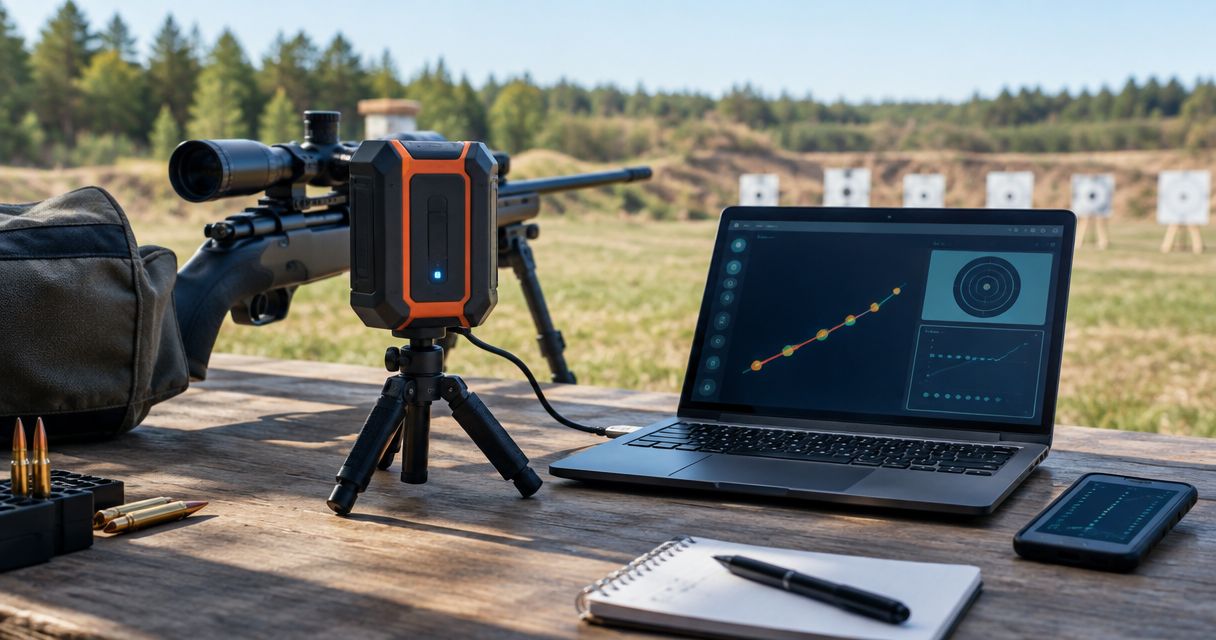
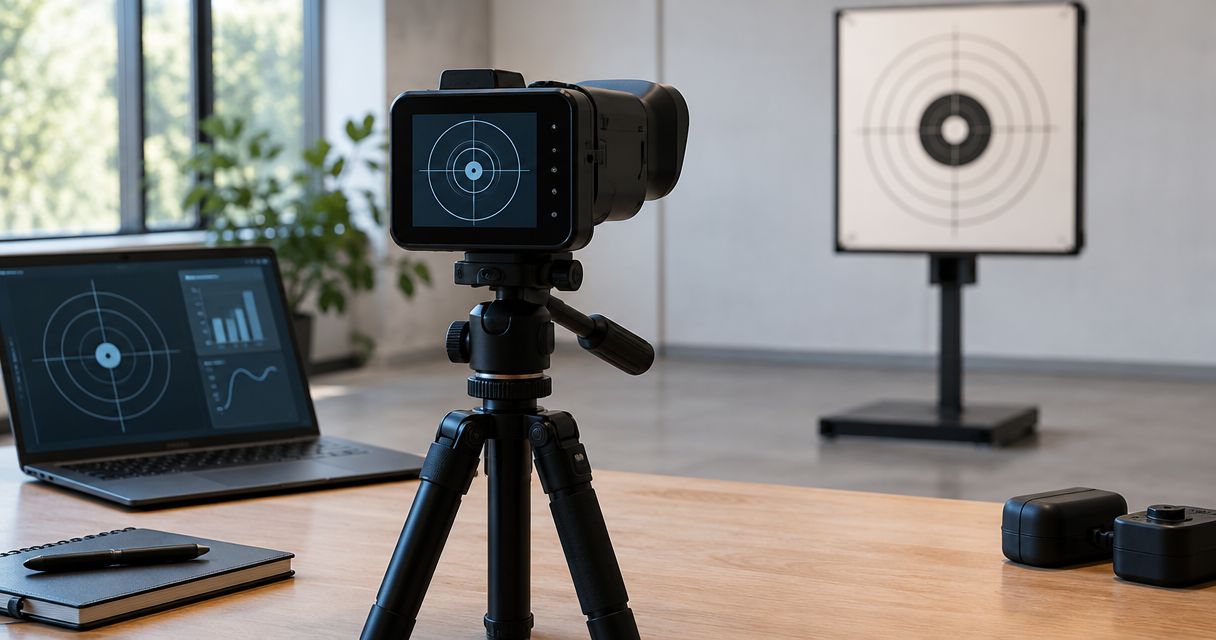
Your target-camera budget should cover a working chain: a camera positioned to see the target, a connection back to your shooting position, and a device on which you can inspect impacts. A camera listing and a complete range setup are not necessarily the same purchase.
Start with the current systems at Longshotcameras, then compare what each package includes against what you already own. Treat an accessory as an additional expense only after checking the package contents and compatibility.
| Setup approach | Best for | Main benefit | Main limitation | What to verify before buying |
|---|---|---|---|---|
| Camera system using existing support equipment | Shooters with suitable mounting and viewing equipment | Avoids duplicating equipment you already own | Existing equipment still needs to fit the chosen system | Mounting connections, viewing requirements, and included components |
| Camera system with dedicated accessories | Shooters building a complete setup | Lets you select support equipment for the intended position | Adds equipment to carry and organize | Whether each accessory solves an actual setup problem |
| Club or competition setup | Organizations planning shared target viewing or scoring | Aligns the purchase with an organized shooting workflow | Requires planning beyond an individual shooter's needs | Target layout, operator responsibilities, and scoring requirements |
These are purchasing approaches, not fixed product tiers. Choose the smallest complete setup that meets your actual requirements.
Why this matters
A target camera is useful only when you can recognize the impacts you need to evaluate. Buying equipment without checking the target view, connection requirements, and placement rules leaves those questions unresolved.
Longshotcameras sells target cameras and accessories for remotely viewing shot impacts at distances up to 2 miles. That describes the brand's stated distance capability, not a specification to assign to every individual camera or accessory.
For your 2026 purchase, separate maximum advertised distance from the distance you actually shoot. Then check the specific system's requirements rather than assuming every model delivers the same result in every layout.
Individual shooting: build around the target view
Best for: shooters who need to inspect their own shot impacts from the firing position. Start with your target and distance, then work backward to the camera and supporting equipment.
Write down what you need to see. Recognizing a hit on a large target and distinguishing closely spaced holes are different viewing tasks; describe your task clearly when comparing systems or asking a seller for guidance.
Next, check what reaches your shooting position. Confirm the required viewing device, connection procedure, and power arrangements before treating a camera package as complete.
The advantage of an individual setup is a focused shopping list. The limitation is that you still need to manage installation, framing, charging, and retrieval yourself.
Recommendation: select the camera around your viewing task before choosing accessories. A stand or case cannot correct a mismatch between the system and the job you expect it to do.
Dedicated accessories: pay for a solved problem
Best for: shooters whose existing equipment does not support a usable camera or display position. Accessories belong in your budget when you can explain what they fix.
A camera support addresses placement. A tablet stand addresses the viewing position. A carrying case addresses transport protection; it does not improve the camera's image or wireless connection.
For example, the listed Longshot tablet stand supports 2 viewing-angle positions. That is a specific convenience to evaluate against your bench arrangement, not a reason every camera buyer needs a separate stand.
Likewise, a 16 ft cable provides a particular cable length, not evidence of longer wireless range. Check the cable's connection and intended device before adding it to a camera order.
The benefit of dedicated accessories is a setup built around your use. The drawback is extra equipment to pack, place, and maintain.
Recommendation: add an accessory only after identifying its job and confirming compatibility. Keep a written list of included equipment so you do not buy the same function twice.
Club and competition setups: define the workflow first
Best for: clubs and organizations buying for shared use or scoring. A group purchase needs a clear operating plan before it needs a long accessory list.
Decide who installs the equipment, who checks the target view, and who manages the viewing position. Also establish who packs the system afterward and checks that it is ready for the next session.
The Longshot Competition Kit is described as a kit for clubs and organizations, including scoring use. That makes it relevant to an organizational purchase, but the kit name alone does not establish that it matches every competition format.
The advantage of a purpose-focused kit is its intended organizational use. The limitation is that your club still needs to confirm its own target layout, operating needs, and package contents.
Recommendation: document the club's requirements before comparing a kit with individual components. For a 2026 club budget, a clearly assigned operator is as important to the purchase decision as a clearly defined equipment list.
Why target-camera spending varies
The useful comparison is not simply which listing has the lowest headline figure. Compare the equipment required to deliver your target view under your range's rules.
- Shooting distance: Match the specific system's stated capability to your intended camera-to-shooter separation. Do not apply a brand-wide maximum to every model.
- Included equipment: Read the package contents before adding supports, charging equipment, or cases. A separate accessory listing does not prove that an equivalent item is excluded.
- Camera placement: Check where the range permits equipment and what support that location requires. Purchase mounting equipment for that position.
- Viewing arrangement: Confirm the viewing device and connection requirements. Include a stand only if your existing arrangement does not provide a useful view.
- Transport and charging: Identify how you will carry, charge, and store the system. Check accessory fit rather than assuming one case or charger serves every camera.
- Individual or group use: A personal practice session and an organized scoring workflow have different operating requirements. Define yours before comparing packages.
None of these factors justifies buying every available accessory. Each should produce a specific requirement you can check against the proposed purchase.
How to compare a complete setup before you order
Use the same checklist for every system. Otherwise, you risk comparing one camera-only purchase with another package that includes equipment you would need separately.
- Define the view. Record your shooting distance, target type, and the impacts you need to identify. Keep this description independent of any product name.
- Confirm placement. Ask the range where a camera and its support can go. Follow the range's procedures for installing and retrieving equipment.
- Check connection. Confirm the supported viewing arrangement and setup process. Read the guide to connecting a Longshot camera to the app when evaluating that workflow.
- Audit included gear. Separate supplied equipment from optional accessories. Mark what you already own and what still needs a compatibility check.
- Compare the total. Review the current purchase details for the complete working setup. Remove extras that do not address an identified requirement.
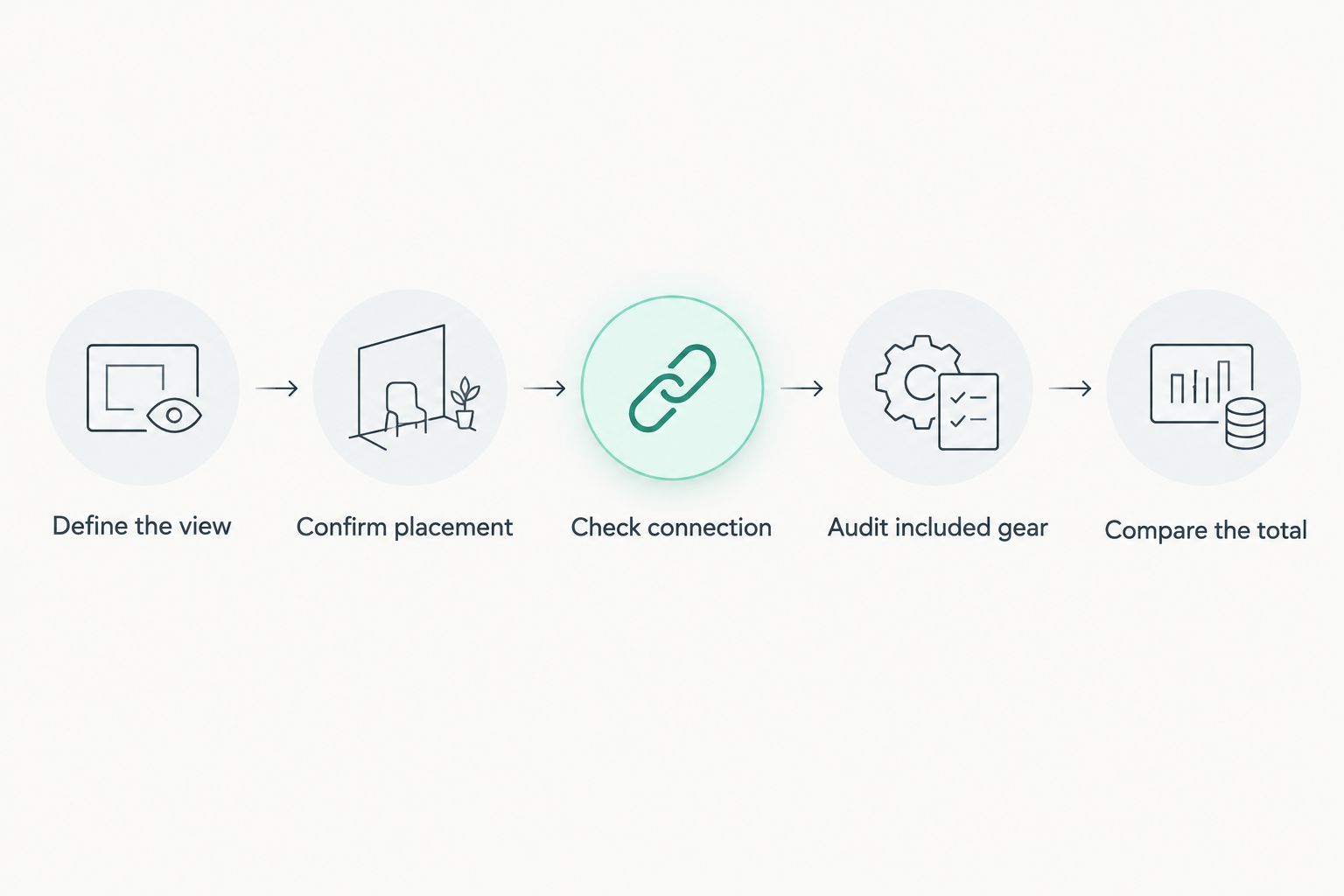
Keep your checklist after the purchase. It becomes a practical setup reference when you prepare for the range, particularly if you do not use the camera every session.
Which listed equipment belongs in your budget?
The following items serve different roles; they are not interchangeable camera choices. The Competition Kit is relevant to an organizational purchase, while the tripod and tablet stand address support and viewing needs.
| Listed item | Best for | Supported purpose | Buying limitation |
|---|---|---|---|
| Longshot Competition Kit | Clubs and organizations | Competition and scoring use | Confirm suitability for your event and operating requirements |
| Compact Tripod | Shooters needing a camera support | Supporting a camera downrange or equipment at the bench | Confirm the mounting connection and required position |
| Longshot Tablet Stand (Black) – Target Camera System | Shooters wanting a supported viewing device | Holding most smart devices with different viewing angles | Check your device's fit; it is not a camera system |
Do not treat accessories as substitutes for a camera system. Use the current product details below only after deciding which role you need to fill.


Is a target camera worth buying for occasional range sessions?
A target camera is worth considering when remotely inspecting impacts addresses a recurring problem in your shooting sessions. Judge the purchase against that task rather than how frequently other shooters use one.
If your current viewing arrangement already shows what you need, identify the additional benefit before replacing it. A new system also brings setup, charging, transport, and retrieval responsibilities.
Longshotcameras target cameras are best for shooters who want to inspect distant shot impacts without walking downrange. That benefit does not remove the need to follow range commands or obtain permission to place equipment near a target.
Do you need to buy every accessory at once?
No—buy the equipment required for a working setup, then add convenience accessories against observed needs. Do not postpone a necessary support or required connection component merely because it is sold separately.
For a 2026 purchase, divide the shopping list into required equipment, equipment you already own, and optional conveniences. This makes the purchase easier to assess without assuming a larger bundle is automatically the better choice.
FAQ
How much does a target camera cost in 2026?
Your total depends on the specific camera system and the equipment needed to complete your setup. Check current product details and compare package contents, required accessories, and equipment you already own.
What's the best way to compare target-camera costs?
Compare complete working setups that meet the same viewing requirements. Include required support, viewing, and charging equipment rather than comparing camera listings alone.
Do I need a separate tablet for a target camera?
Check the selected camera system's viewing-device requirements before buying a tablet. Do not assume a device you own is supported or that a separate display is included.
Does a target camera replace walking downrange entirely?
A target camera lets you inspect impacts remotely, but physical installation and retrieval still require downrange access. Follow the range's procedures whenever equipment needs attention.
Can every Longshotcameras camera work at 2 miles?
Do not assume every camera supports 2 miles. The brand describes systems with capability up to that distance; verify the specification and conditions for the particular system you are considering.
Should a shooting club buy the same setup as an individual?
A shooting club should define its shared viewing or scoring workflow before selecting equipment. Confirm who operates the system and whether the proposed package matches the club's requirements.
Which target-camera accessories should I buy first?
Buy accessories that address a necessary placement, viewing, charging, or transport requirement. Check included equipment and compatibility before ordering anything separately.
One last thing
Write down the first shot-impact question your camera must answer. It might be whether you can distinguish a new hole from an existing group or inspect a distant target from your firing position.
Use that question as your final purchase filter. For your 2026 setup, a clearly defined viewing task is more useful than an accessory list: it tells you what to verify before spending and what to check when the equipment arrives.