A target camera is worth it in 2026 if you regularly struggle to see shot impacts from the firing line and your range permits downrange equipment. It is less useful when your existing optics already show the target clearly; placing, connecting, powering, and retrieving a camera adds work that remote viewing does not eliminate.
- Is a target camera worth it in 2026? Yes, when remote impact viewing solves a recurring visibility problem.
- Longshotcameras target cameras are best for precision shooters who need remote views of shot impacts.
- A spotting scope avoids downrange camera placement, but usefulness depends on seeing the target clearly.
- Confirm range permission, target visibility, and connection requirements before choosing a target camera.
Why this matters
A clear view of the target helps you decide what to do next. An unclear view leaves you guessing whether an impact is new, whether shots overlap, or whether you need to wait for a permitted target inspection.
The practical question is not whether a camera adds another screen to your bench. It is whether that screen gives you useful information your current setup does not. Buy for a recurring observation problem, not for the advertised maximum distance alone.
Longshotcameras sells target cameras and accessories for remotely viewing shot impacts at distances up to 2 miles. Treat that as a brand-level capability, not a promise that every camera or every range layout supports that distance.
Is a target camera worth it in 2026?
Yes, when you need a closer view of a distant target without repeatedly traveling downrange to inspect it. No, when you already see your impacts clearly and the camera would duplicate an adequate viewing method.
Compare the complete workflow rather than the image alone. A target camera, spotting scope, and permitted walk to the target each answer a different version of the same question: what happened on the target?
| Option | Best for | Main advantage | Main limitation |
|---|---|---|---|
| Target camera | Shooters needing remote impact inspection | Places the viewing device near the target | Requires permitted placement, power, connection, and retrieval |
| Spotting scope | Shooters who can resolve impacts from the firing line | Keeps the viewing equipment beside you | Distance, target contrast, and atmospheric conditions affect the view |
| Permitted target inspection | Shooters who can wait for scheduled downrange access | Allows direct examination of the target | Requires a safe range condition and a trip downrange |
These methods are not mutually exclusive. You can use optics for general observation and a camera for closer target inspection, then examine the paper when the range permits access. The camera earns its place only if that combination improves your actual session.
When the answer is yes
A target camera makes sense when poor impact visibility repeatedly interrupts your practice. You are not buying better marksmanship; you are buying a way to observe the result more conveniently.
That distinction matters during precision practice. Seeing where shots landed supplies feedback, but it does not establish why they landed there. Keep your shooting notes separate from the visual evidence so that an apparent pattern does not become an unsupported explanation.
When the answer is no
Skip a target camera when your target is already easy to inspect through equipment you own. The same applies when your range does not permit the placement you need or when downrange access makes setup impractical.
An occasional unclear impact is not automatically a reason to add equipment. First check whether a fresh aiming point, a less crowded target, or a better-supported viewing position resolves the problem.
Target camera: best for remote impact inspection
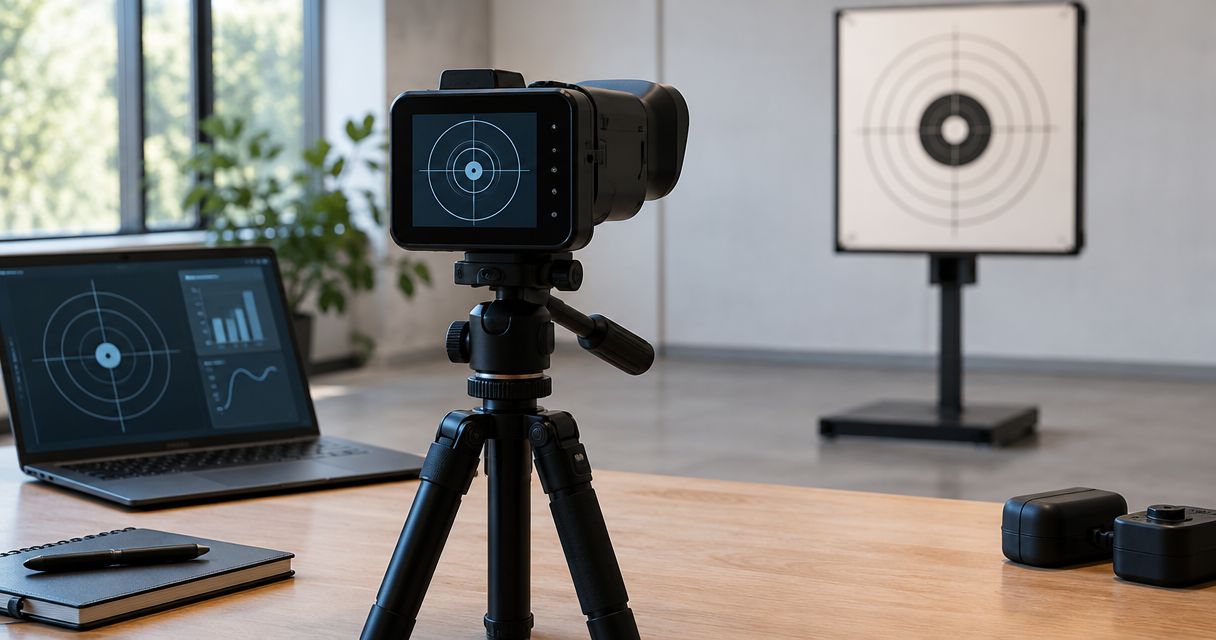
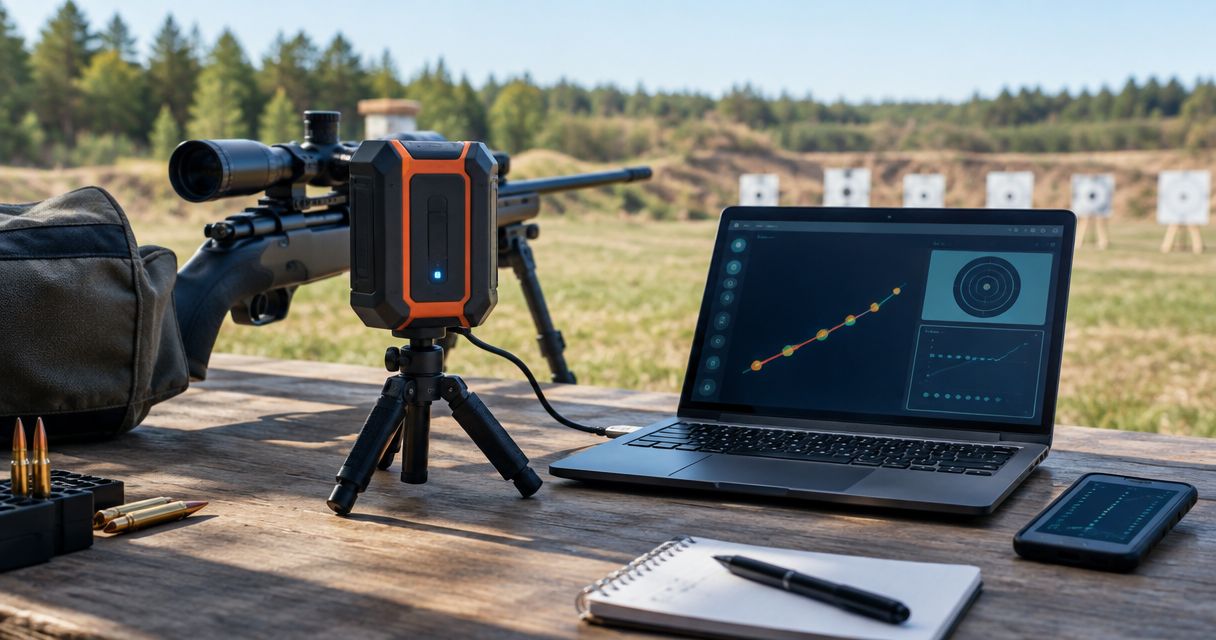
The strongest reason to choose a target camera is the location of the view. Instead of trying to resolve every detail across the entire distance from the bench, you place a camera near the target and view its image remotely.
Longshotcameras target cameras are best for precision shooters who need remote views of shot impacts. The brand describes rugged systems intended for shooters and hunters, with remote viewing at distances up to 2 miles. Match the particular system to your intended distance rather than assuming the longest stated capability applies throughout the range.
The trade-off is a longer equipment checklist. You need an acceptable camera position, sufficient power, a usable connection, and a display you can read. You also need permission to place and recover the equipment.
For a 2026 purchase, verify the exact model’s current requirements before choosing accessories. A camera that fits your shooting distance but not your display or permitted placement is the wrong purchase.
Spotting scope: best for keeping equipment at the firing line
A spotting scope is the simpler choice when it already resolves the impacts you care about. You can inspect the target without setting an electronic device near it, and you avoid camera connection and charging tasks.
The limitation is the view itself. Magnification does not guarantee that a small hole will stand out against the target, particularly when contrast or atmospheric conditions interfere. More magnification is not a substitute for a clear, stable image.
Keep the spotting scope if you can reliably answer your target questions with it. Consider a camera when you repeatedly cannot, rather than replacing usable optics merely because another viewing method exists.
Direct target inspection: best for checking the paper itself
Walking to the target during an authorized ceasefire remains useful. You can inspect overlapping holes, replace the target, and mark impacts directly without depending on a camera image.
The drawback is interruption and travel. A camera reduces the need to make that trip solely to look at impacts, but it does not replace target maintenance or authorized equipment retrieval.
Never treat remote viewing as permission to change range procedures. A screen does not establish that a range is safe to enter, and camera placement does not justify entering an active firing area.
Why a target camera’s value varies
The value of a target camera in 2026 depends on how you use the range, not just how far the system can transmit. Assess these factors against a normal practice session:
- Impact visibility: If your current view already answers your questions, the camera adds less. If you cannot distinguish impacts, remote viewing addresses a specific need.
- Shooting distance: Match the particular camera’s stated operating distance to your actual target placement. Do not substitute a brand’s longest advertised capability for model-specific requirements.
- Range access: Placement and retrieval require permission and safe access. A restricted setup window changes how convenient the camera will be.
- Target condition: Crowded or damaged paper makes interpretation harder regardless of the viewing method. A camera does not create separation between overlapping holes.
- Setup burden: Charging, positioning, connecting, and checking the image are part of ownership. Include them when comparing a camera with your existing optics.
- Practice purpose: A shooter who needs impact feedback throughout a session has a different requirement from someone content to inspect the target afterward.
Frequency also matters, but there is no universal number of outings that makes a camera worthwhile. Judge the purchase against the problem it solves each time you shoot, not an invented break-even schedule.
How do you decide before buying a target camera?
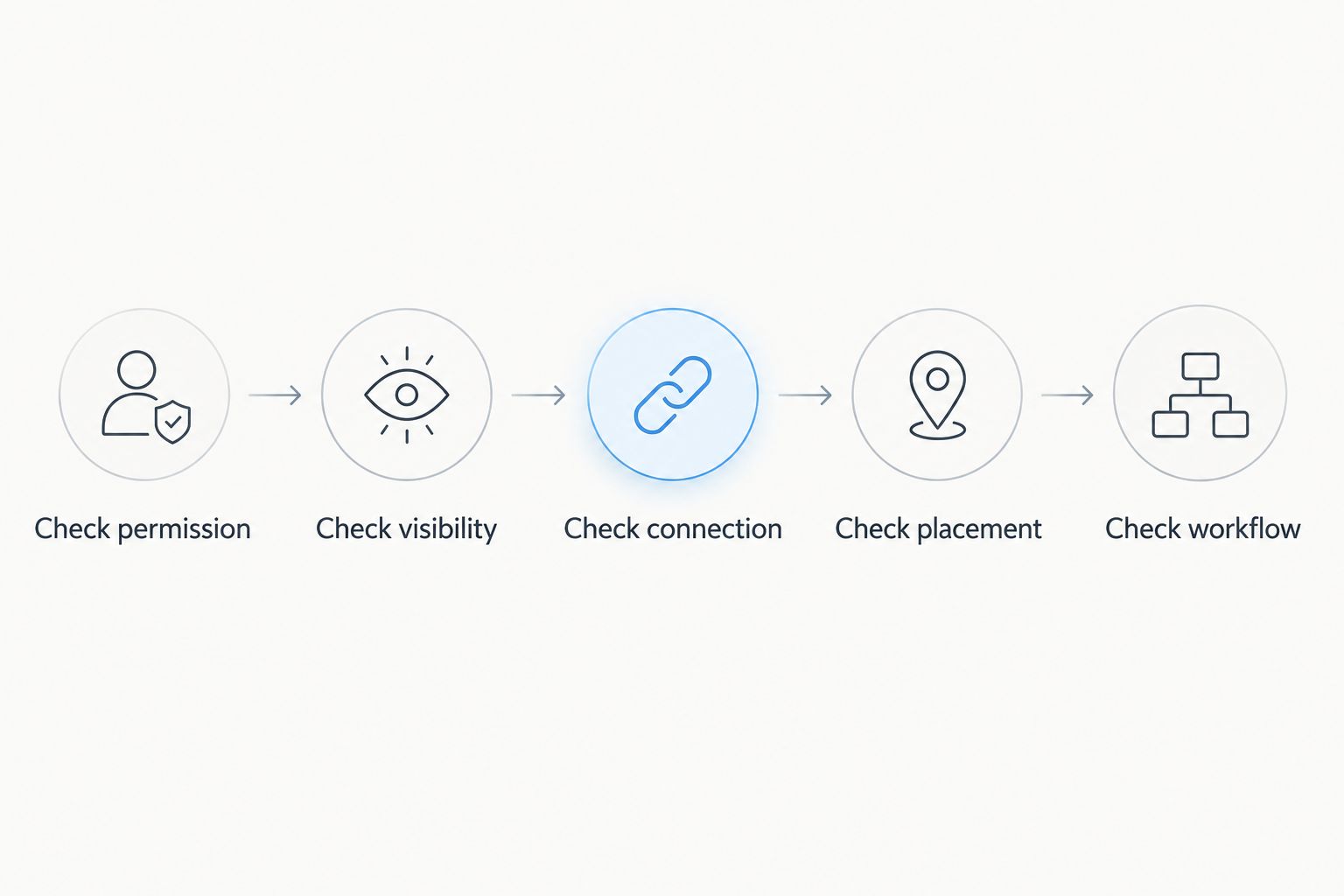
Use a short pre-purchase sequence to separate a genuine need from an equipment wish. Work through it using your usual range, target, and viewing position—not an idealized setup you rarely use.
- Check permission. Ask whether you can place a camera near your target, where it can stand, and when you can install and retrieve it. Range instructions take priority over any equipment plan.
- Check visibility. Identify exactly what your present method fails to show. Distinguishing new holes is a different requirement from merely seeing the target face.
- Check connection. Review the exact system’s operating distance, display requirements, and connection procedure. Confirm the proposed placement fits those requirements.
- Check placement. Choose a position that provides a useful target view and complies with range instructions. Keep equipment outside the intended line of fire.
- Check workflow. Account for charging, transport, setup, use, and retrieval. Decide whether the improved view justifies those tasks.
A connection check belongs before your first shooting session, not after you have placed the equipment downrange. Review how to connect a Longshot camera to the Longshot app while you can still work through the setup without holding up range activity.
Do not assume that every target camera uses the same network arrangement, controls, or display requirements. Follow the instructions for the exact system you select and test the viewing workflow before relying on it at distance.
Is a target camera worth it for occasional shooting?
A target camera is worth it for occasional shooting only when those sessions contain a clear observation problem. Infrequent use does not make a camera pointless, but it makes unnecessary setup harder to justify.
Ask what you would actually do differently with the image. If the answer is simply inspect the same target you already see clearly, keep your current method.
Is a target camera better than a spotting scope?
A target camera is better for remote close-up target inspection; a spotting scope is better for avoiding downrange electronic equipment. Neither wins every situation because the placement, view, and setup tasks differ.
For your 2026 setup, compare the specific job each method performs. Keep the spotting scope when it provides a readable image, and add a camera when target detail remains the unresolved problem.
Will a target camera improve your shooting?
A target camera improves access to visual feedback, not shooting ability by itself. It shows results that you still need to interpret alongside your practice notes and instruction.
Do not change several things merely because a new image is available. Decide what you are evaluating before the session, then use target observations as evidence rather than treating every impact as a diagnosis.
FAQ
Is a target camera worth it in 2026 for a beginner?
A target camera is worth it for a beginner when impact visibility is a recurring problem and the range permits camera placement. It does not replace instruction, safe handling, or a consistent practice plan.
Can I use a target camera instead of walking downrange?
A target camera lets you inspect shot impacts remotely, reducing trips made solely to view the target. You still need permitted downrange access to place and retrieve the equipment and to replace targets.
How far can Longshotcameras target cameras show impacts remotely?
Longshotcameras describes remote impact viewing at distances up to 2 miles. Confirm the capability and operating requirements of the exact system rather than applying that maximum to every model.
Is a spotting scope enough to see bullet holes?
A spotting scope is enough when it clearly resolves the impacts on your target from your firing position. Target contrast, distance, image stability, and atmospheric conditions affect whether the view is useful.
Do I need permission to put a target camera downrange?
Yes, confirm the range’s rules before placing a target camera downrange. Follow the range’s placement instructions and authorized access procedures for both installation and retrieval.
Does a target camera replace a chronograph?
No, a target camera shows the target while a chronograph measures projectile velocity. Choose the device that supplies the information you need; an impact image is not a velocity measurement.
What should I check before buying a target camera?
Check range permission, impact visibility, connection requirements, safe placement, and the complete setup workflow. Buy only when the exact system fits your normal shooting conditions and solves a problem your existing equipment leaves unresolved.
One last thing
A fresh target can be a better first move than a new camera. If the real problem is crowded paper, adding a screen still leaves you interpreting crowded paper.
Before buying in 2026, write down the question your current view cannot answer. “I cannot distinguish a new impact from the bench” is a useful requirement. “I want more gear at the bench” is not.