Budget a 1000-yard range as a site project first and an equipment purchase second: the total depends on whether you already have a suitable shooting facility or need to develop land. Keep land, professional review, construction, shooting equipment, and ongoing operation separate so a gear-only estimate never passes for a complete build.
- How much does it cost to build a 1000 yard range setup? Define the site before totaling equipment.
- A 1000-yard target distance equals 3000 feet; that distance alone does not establish a safe property boundary.
- Longshotcameras target cameras serve precision shooters who want to view impacts remotely, not replace range safety controls.
- Separate construction, personal shooting equipment, target observation, and recurring operation in your budget.
How much does it cost to build a 1000 yard range setup in 2026?
Your total is the sum of site acquisition, site development, range infrastructure, shooting equipment, observation equipment, and recurring operation. Start with the parts you actually need, rather than copying someone else's equipment list.
A shooter using an established facility and a landowner developing a new range are budgeting different projects. Neither should use the other's total as a benchmark. For the equipment side, the guide to starting costs for long-range shooting gear addresses a narrower question than building a facility.
Use this breakdown to request comparable proposals in 2026:
| Budget category | What belongs in it | What to establish before committing |
|---|---|---|
| Land or facility access | Purchase, lease, or permission to use an existing facility | Whether the intended activity is permitted |
| Professional review | Site assessment, design, legal review, and insurance consultation as applicable | The property's suitability and operating constraints |
| Site development | Surveying, access, drainage, and earthwork identified by the design | A written scope based on the actual site |
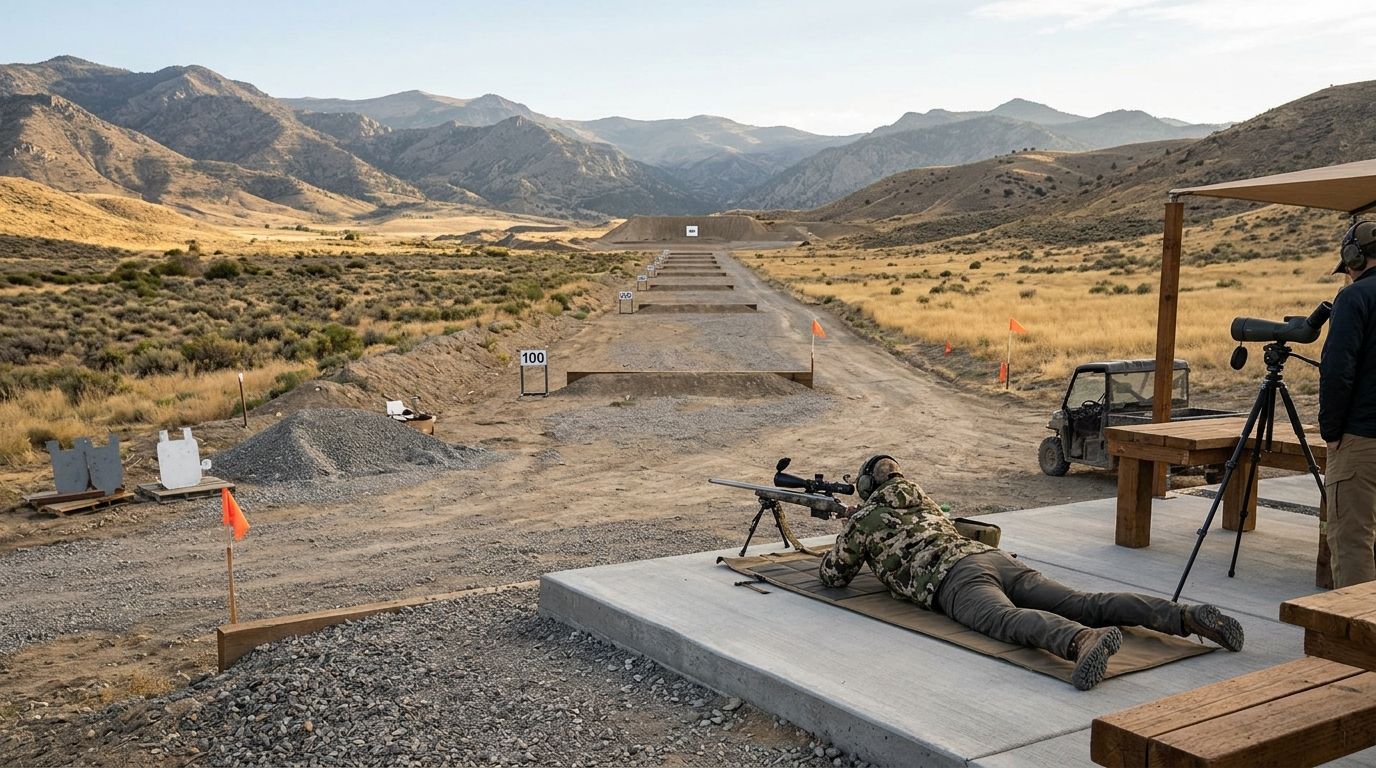
| Range infrastructure | Target systems, firing positions, access controls, and signage | What the approved operating plan requires |
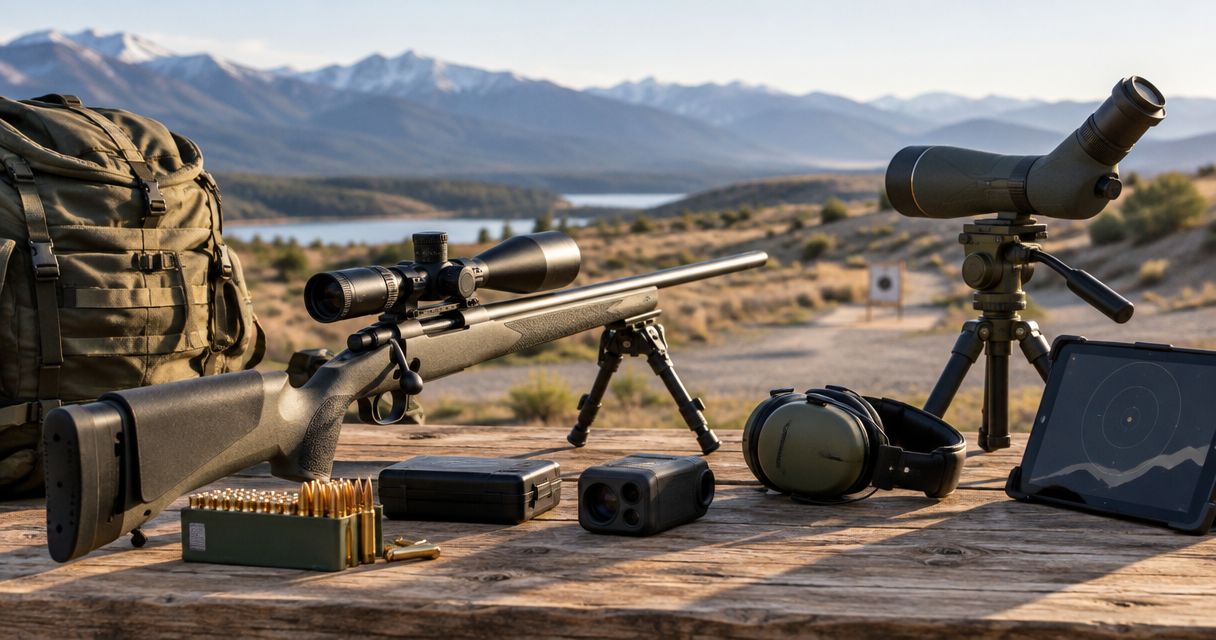
| Personal equipment | Rifle, optic, supports, and protective equipment | What you own and what needs replacement |
| Observation and measurement | Target camera, viewing device, supports, and optional chronograph | Which task each device needs to perform |
| Recurring operation | Ammunition, maintenance, insurance, and consumables as applicable | What repeats after the initial purchase |
Do not add every possible accessory automatically. Mark each line as existing, required, optional, or recurring, then obtain current quotes for the required work.
Why this matters
A 1000-yard target distance is 3000 feet, or 914.4 meters. Those measurements describe the firing distance, not the complete land requirement or a safe containment design.
That distinction belongs at the beginning of your 2026 budget. A parcel long enough to place a target is not automatically suitable for a shooting range; surrounding land uses, terrain, projectile containment, access, and applicable requirements need qualified review.
Do not treat a target camera, a visible backstop, or an unobstructed view as proof that a site is safe. Equipment selection comes after the site decision, not instead of it.
Existing facility: budget access and personal equipment
Best for: shooters who want to practice without developing a property. Using an established facility removes new range construction from your personal project, although you still need permission, suitable access, and compliance with its rules.
Start by checking whether the facility actually permits your intended distance and equipment. Ask about target placement, downrange electronics, approved shooting positions, and procedures for retrieving equipment. A camera that suits your needs still has to fit the facility's operating rules.
The advantage is a clearly bounded equipment project. The limitation is control: you do not decide the facility's operating schedule, target arrangements, or access procedures.
Build your list around gaps in what you own. Do not replace a usable support, viewing device, or transport case simply because a package includes another one.
Existing property: establish suitability before adding equipment
Best for: landowners evaluating a specific site. Ownership gives you a place to assess; it does not establish permission, suitability, or the scope of construction.
Have qualified local professionals evaluate the property and applicable requirements before requesting equipment packages. Ask for a written scope that distinguishes required work from optional amenities. Keep the design, contractor proposal, and operating assumptions together so you can compare them.
The advantage is the ability to plan around a known property. The limitation is that existing conditions determine the work: access, drainage, neighboring uses, and containment requirements do not disappear because the land is already yours.
For a 2026 project, document what each proposal includes. An earthwork proposal and a complete facility proposal are not interchangeable, even when both describe a range.
New facility: budget the operation as well as the build
Best for: owners planning a dedicated facility. Treat a new range as an operating project with equipment inside it, not as a shopping list with construction added afterward.
Separate acquisition and development from continuing responsibilities. Assign responsibility for inspections, maintenance, access control, target replacement, and equipment storage before opening the facility for use.
The advantage is the opportunity to specify the intended use from the outset. The limitation is responsibility for the whole operation, including tasks that remain after construction ends.
A useful proposal explains its exclusions as clearly as its inclusions. Ask who handles approvals, who supplies targets, who establishes operating procedures, and what work remains outside the contract.
Why a 1000-yard range budget varies
These factors change the scope of the project. Resolve them before comparing totals:
- Starting point: access to an established facility, ownership of a suitable property, and acquisition of new land are different budget scenarios.
- Site conditions: terrain, drainage, access, and existing improvements determine what professionals need to assess and specify.
- Intended use: personal practice and organized group use create different operating and equipment requirements.
- Existing equipment: a usable rifle, optic, support, or viewing device belongs on your inventory before it belongs on a purchase list.
- Observation requirements: viewing impacts, recording through an optic, and measuring projectile velocity are separate jobs.
- Recurring responsibilities: maintenance, consumables, insurance, and equipment care belong outside the initial construction subtotal.
Keep these assumptions attached to every estimate. A total without its scope tells you little about whether the project fits your needs.
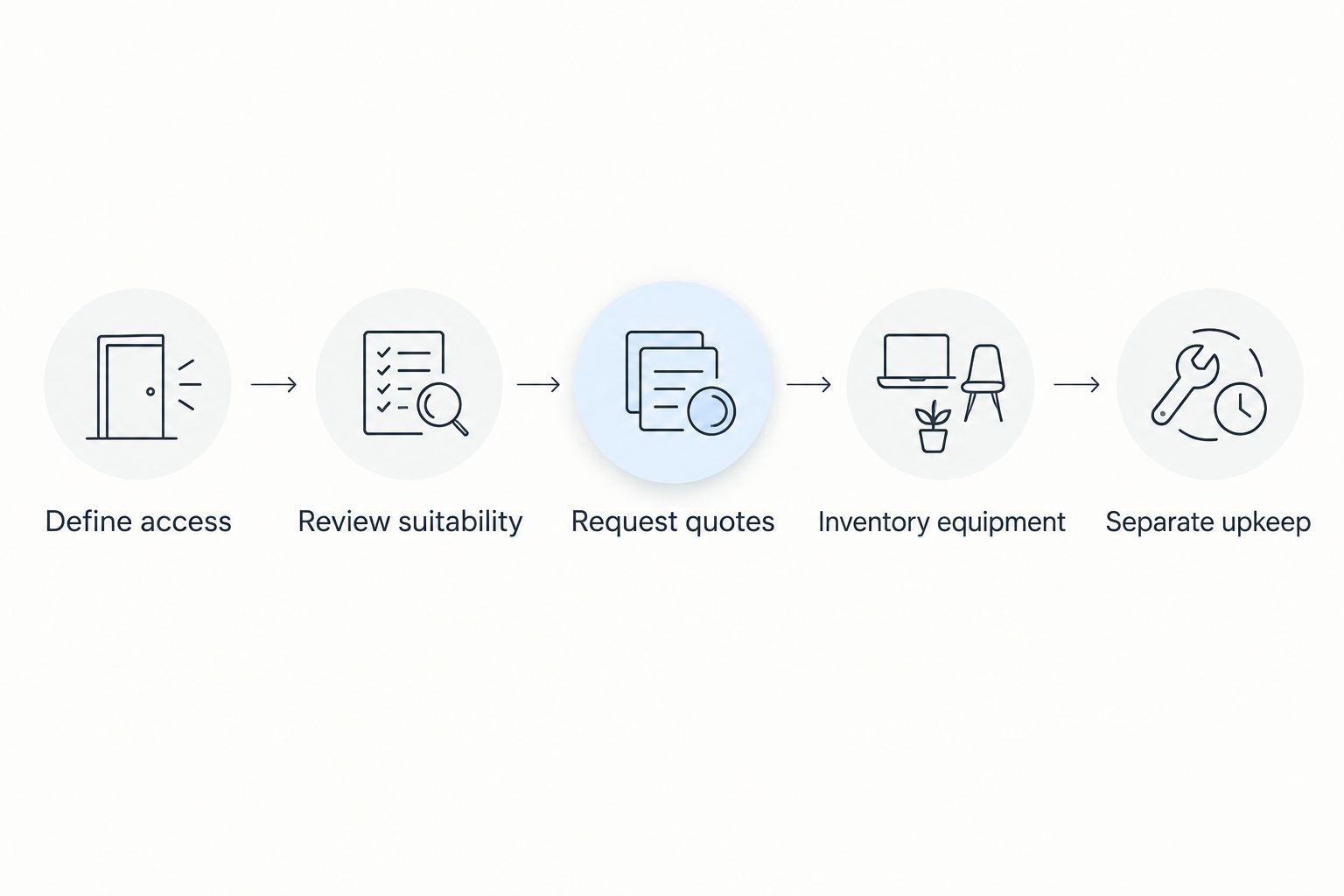
Build the budget in the right order
Use this sequence to turn a broad idea into a purchasing decision. It keeps optional electronics from distracting you from unresolved site work.
- Define access. Decide whether you are using an existing facility or evaluating a property for development.
- Review suitability. Obtain qualified advice on the site, applicable requirements, and intended operation.
- Request quotes. Ask providers to identify included work, exclusions, and responsibility for each deliverable.
- Inventory equipment. Record what you own, what works, and what the intended use actually requires.
- Separate upkeep. Track recurring responsibilities separately from acquisition and construction.
The result should be a scope you can explain without naming a single accessory. Only then should you compare optional equipment.
Choose observation equipment by the job it performs
A target camera shows the target; a chronograph measures projectile velocity. Neither substitutes for the other, and neither establishes that a range is safe to operate.
Longshotcameras target cameras are best for precision shooters who want to view shot impacts remotely. The brand describes systems for distances up to 2 miles; confirm the specifications of the exact system rather than applying that maximum to every model.
| Equipment type | Best for | Main advantage | Limitation |
|---|---|---|---|
| Target camera | Viewing impacts remotely | Places the camera near the target rather than relying only on a distant optical view | Requires placement, power, connection checks, and retrieval |
| Spotting scope | Optical observation from the firing area | Keeps the viewing equipment with the observer | Seeing small impacts depends on visibility and viewing conditions |
| Chronograph | Measuring projectile velocity | Supplies a measurement that target images do not provide | Does not show where shots land |
| Viewing-device support | Keeping a compatible screen positioned for viewing | Reduces the need to hold the device | Does not improve the camera's image or connection |
Choose the missing function, not the longest feature list. If you already have a way to observe the target, identify its actual limitation before adding another device.
In your 2026 equipment worksheet, keep the camera and its supporting items together. Include the viewing device, suitable mounting equipment, charging arrangements, and transport needs where applicable. Check package contents before ordering anything separately.
Which accessories belong in the initial equipment budget?
Buy an accessory when it solves a defined setup problem. A stable camera position and a conveniently positioned screen are practical needs, but they are not evidence that every shooter needs every stand.
The Compact Tripod description identifies use with a camera downrange or as a steady base at the bench. The Longshot Tablet Stand (Black) – Target Camera System description states that it holds most smart devices and offers two viewing-angle positions.
| Accessory | Best for | Supported purpose | Buying limitation |
|---|---|---|---|
| Compact Tripod | Supporting a camera or bench setup | Provides a base for the stated uses | Confirm the attachment fits your intended equipment |
| Longshot Tablet Stand (Black) – Target Camera System | Positioning a compatible viewing device | Holds most smart devices with two viewing-angle positions | Confirm your device fits; the stand does not supply the screen |
Check what you already own before adding either item. These accessories address support and viewing, not site development, target containment, or facility approval.


Does owning land mean the range is ready to build?
Owning land does not establish that a 1000-yard range is suitable or permitted. Have qualified professionals assess the intended use, surrounding conditions, and applicable requirements before committing to construction.
Keep that assessment separate from an equipment retailer's recommendations. A product specification describes equipment, not the safety or legality of a property.
Can a target camera replace walking downrange?
A target camera can let you inspect impacts remotely instead of walking to the target for each inspection. It does not remove the need for safe equipment placement, target maintenance, retrieval, or the facility's cease-fire procedures.
Budget for the complete observation workflow rather than the camera alone. Confirm how you will position, power, view, and retrieve the equipment under the site's rules.
Should you buy all the equipment before the site is approved?
Wait until the intended site and operating requirements are established before buying site-dependent equipment. Otherwise, you risk selecting mounts, target arrangements, or observation equipment that do not fit the final plan.
Keep optional purchases separate from required purchases in your 2026 worksheet. That distinction makes deferral straightforward without hiding an unresolved requirement.
FAQ
How much does it cost to build a 1000 yard range setup?
The total depends on whether you need a new facility or equipment for an existing one. Build separate subtotals for land or access, professional review, site work, infrastructure, personal equipment, observation, and recurring operation.
How much land do I need for a 1000-yard range?
A 1000-yard firing distance alone does not establish the required property size. Qualified site review must address the full layout, surrounding conditions, projectile containment, and applicable requirements.
Is an existing range a better starting point than building my own?
An existing facility is the better fit when you want to practice without developing and operating a property. Its rules and access arrangements still determine whether it meets your needs.
Do I need a target camera for a 1000-yard setup?
A target camera is optional observation equipment, not a requirement established by distance alone. Longshotcameras serves shooters who want remote views of their impacts; confirm the exact system's specifications and the facility's rules.
Is a chronograph the same thing as a target camera?
A chronograph measures projectile velocity, while a target camera shows the target. Select equipment according to the information you need rather than treating the devices as substitutes.
What should I check before comparing range construction quotes?
Check that the proposals cover the same site, intended use, deliverables, and exclusions. Separate construction from equipment and recurring responsibilities so the comparison measures the same project.
One last thing
A clear exclusion is more useful than an unexplained total. Before accepting a proposal, ask what you would still need to arrange after the supplier finishes.
Put those remaining tasks into the same worksheet. Your budget is ready for a decision when the full scope is visible—not when the equipment list looks complete.