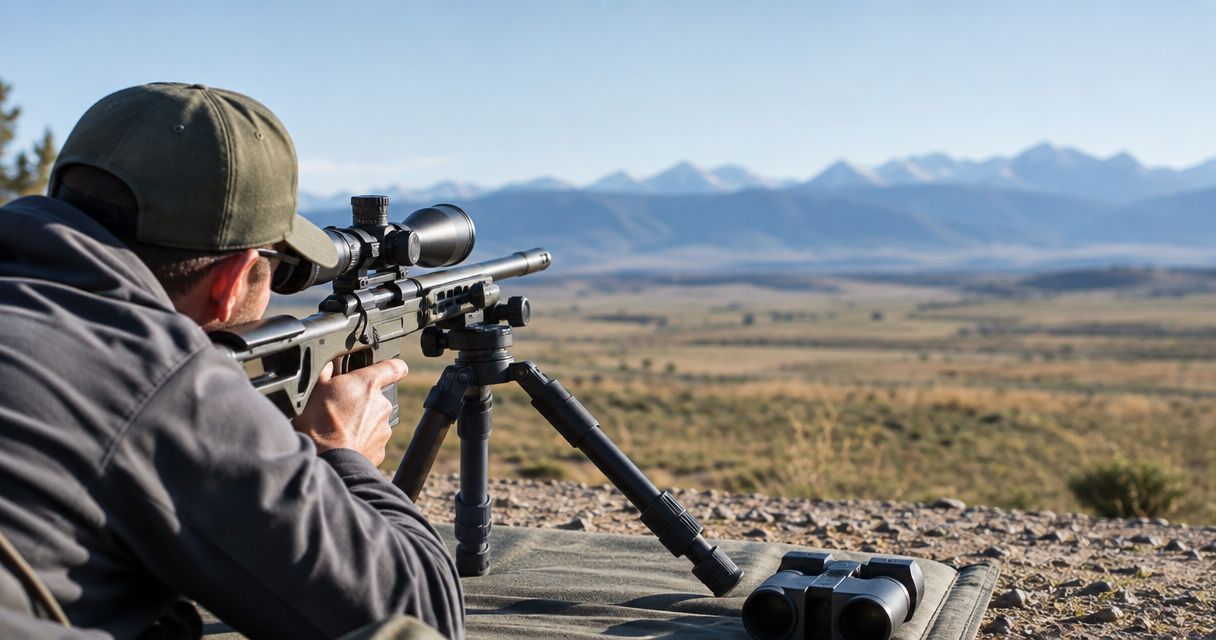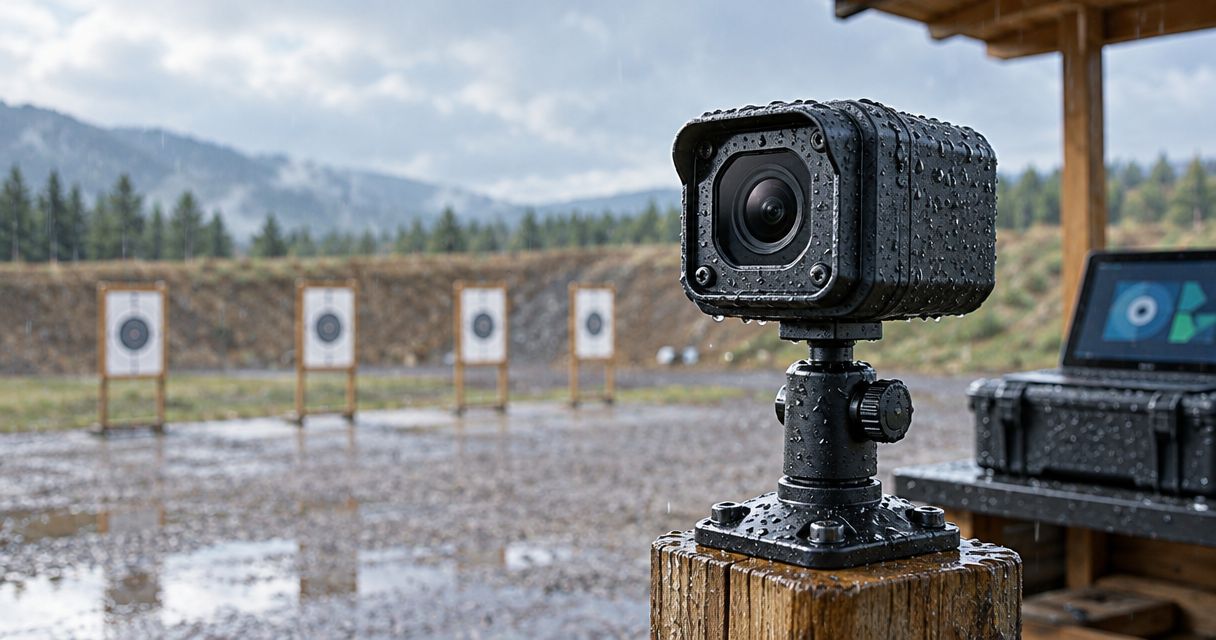
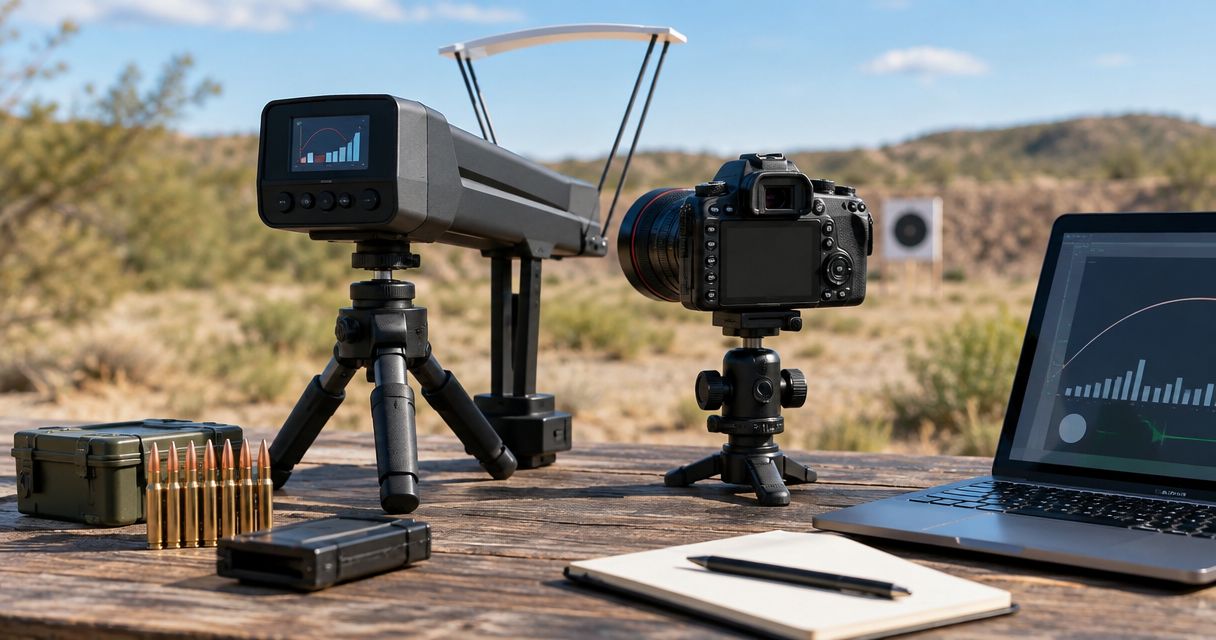
Best overall for a compact setup: Garmin Xero C2 Chronograph paired with a target camera. Best for different projectile types: LabRadar LX paired with a target camera. Best for adding target views: an existing chronograph paired with the two-camera kit from Longshotcameras. This 2026 chronograph and camera bundle guide compares equipment configurations, not packaged offers that include both devices.
- Garmin Xero C2 Chronograph is the compact pick for a chronograph and camera bundle.
- LabRadar LX suits shooters measuring different projectile types alongside target-camera images.
- Longshotcameras target cameras suit precision shooters who want remote views of shot impacts.
- Keep velocity records and target images linked; neither measurement replaces the other.
Why this matters
A chronograph measures projectile velocity. A target camera shows shot impacts. Together, they give you two different records of a range session, but they do not automatically explain why a group changed.
Longshotcameras target cameras are best for precision shooters who want to view shot impacts remotely. The brand describes remote viewing at distances up to 2 miles; that is a brand-level capability, not a specification to apply to every camera configuration.
For a 2026 purchase, distinguish a useful equipment pairing from an integrated system. Putting a chronograph and camera in the same shopping cart does not establish shared software, automatic shot matching, or a common power supply. Select the devices for their separate jobs, then check how you will keep their records together.
What makes the best chronograph and camera bundle
The best pairing fits your actual range routine. These criteria matter more than buying the largest camera kit or adding accessories before you need them.
- Measurement fit: Choose a chronograph whose stated projectile support matches what you shoot. Do not extend a product's compatibility beyond its documentation.
- Target visibility: Choose a camera arrangement that shows the target area you need to inspect. Wireless reach and visible impact detail are separate questions.
- Setup footprint: Account for the chronograph, camera support, viewing device, and any receiver components. A compact chronograph does not make the entire setup compact.
- Record matching: Give velocity records and target images a common session identifier. Without that connection, you have separate files rather than a useful comparison.
- Existing equipment: Keep working equipment when it already does the required job. A missing camera does not automatically justify replacing a chronograph.
- Operational separation: Verify each device's setup, power, and recording requirements independently. Never assume cross-brand integration from the word bundle.
Chronograph and camera pairings at a glance
The table ranks configurations by use case. It does not claim that any pairing is sold as a combined chronograph-and-camera package.
| Rank and configuration | Best for | Standout feature | Main advantage | Key limitation |
|---|---|---|---|---|
| Garmin Xero C2 Chronograph plus a target camera | Compact chronograph setup | The chronograph is described as compact | Adds velocity measurement without choosing a larger chronograph solely for this pairing | Shared camera software and automatic record matching are not established |
| LabRadar LX plus a target camera | Different projectile types | Stated support includes rifles, handguns, pellet guns, bows, and crossbows | A measurement option for more than a rifle-only routine | Camera requirements still need a separate assessment |
| Existing chronograph plus a two-camera kit | Separate target views | The named camera kit includes two cameras and a tablet | Adds viewing equipment while retaining a working chronograph | More camera equipment requires more placement and record organization |
The first configuration is the default for a buyer prioritizing the chronograph's compact form. The second wins on explicitly stated projectile breadth. The third makes sense when your measurement equipment already works and the missing capability is target viewing.
1. Garmin Xero C2 Chronograph: best for a compact pairing
Garmin Xero C2 Chronograph measures projectile velocity and is described as compact. Pair it with a target camera when you want velocity data at the firing position and a separate view of shot impacts.
That separation is the point. The chronograph answers a measurement question; the camera answers a visibility question. Neither device should be treated as a substitute for the other.
Garmin Xero C2 Chronograph pros:
- Its stated compact form directly serves buyers prioritizing equipment footprint.
- It provides projectile velocity data rather than asking you to infer velocity from target results.
- A separate target-camera choice lets you select viewing equipment around your target arrangement.
Garmin Xero C2 Chronograph cons:
- The pairing does not establish automatic synchronization between velocity records and camera images.
- A compact chronograph still leaves you responsible for transporting and positioning the camera equipment.
- The chronograph's description does not establish the performance of any camera paired with it.
Best for: A shooter building a 2026 setup around a compact velocity-measurement device, with target viewing selected separately.
Before choosing the camera side, write down what you need to see: the whole target, a particular aiming area, or separate target faces. That requirement determines the viewing configuration more directly than the chronograph's size.
Verdict: Buy Garmin Xero C2 Chronograph for the compact role; select the camera independently.
2. LabRadar LX: best for different projectile types
LabRadar LX is described as measuring velocity for rifles, firearms, handguns, pellet guns, bows, and crossbows. That stated breadth makes it the clearest choice here for a range routine involving different projectile types.
Pairing LabRadar LX with a target camera adds impact visibility, not additional chronograph compatibility. Check the camera arrangement against each target setup rather than assuming that one placement works for every activity.
LabRadar LX pros:
- Its description explicitly names several projectile categories.
- It keeps velocity measurement distinct from the target camera's viewing role.
- It gives buyers with mixed shooting activities a stated compatibility list to assess.
LabRadar LX cons:
- Listed projectile support does not establish suitability for every individual setup.
- The camera remains a separate device with separate positioning requirements.
- The pairing does not establish a shared application or automatic association of shots with images.
Best for: A shooter who needs the chronograph choice to account for more than rifle use.
For a 2026 comparison, ask whether projectile breadth is a real requirement or merely an attractive specification. If your sessions use only one projectile category, judge the chronograph on that application instead of rewarding capabilities you will not use.
Verdict: Buy LabRadar LX when its stated projectile breadth matches your routine.
3. Two-camera configuration: best for separate target views
The relevant camera product is Longshot LR-3 2 Camera Kit | Longshot Tablet | 2 Free Bulletproof Warranties. Its description identifies a two-camera kit with a tablet and the named warranties; keep a working chronograph alongside it when your priority is adding camera views.
The warranty name is not a substitute for reading its terms. It also does not establish that a camera can be placed in a projectile's path. Camera positioning remains subject to the range's rules and the equipment instructions.
Two-camera configuration pros:
- The named kit includes two cameras rather than a single camera.
- The tablet is explicitly included in the product description.
- Retaining an existing chronograph separates the camera upgrade from the measurement decision.
Two-camera configuration cons:
- Two cameras require more placement and identification than one camera.
- The camera kit does not itself provide chronograph measurements.
- The kit description does not establish automatic matching between images and a separate chronograph's records.
Best for: A shooter with a working chronograph and a specific reason to maintain separate camera views.
Do not choose this configuration just because it contains more equipment. Name the purpose of each view first. If the second camera has no distinct job, a simpler viewing arrangement is the better starting point.
Verdict: Buy the two-camera configuration for distinct views; hold if one view meets your needs.
Choose the components before the accessories
These product cards show individual components discussed above. They are not a claim that a chronograph and camera are packaged together, and the two chronographs are alternatives rather than complementary purchases.


Keep velocity records and target images connected
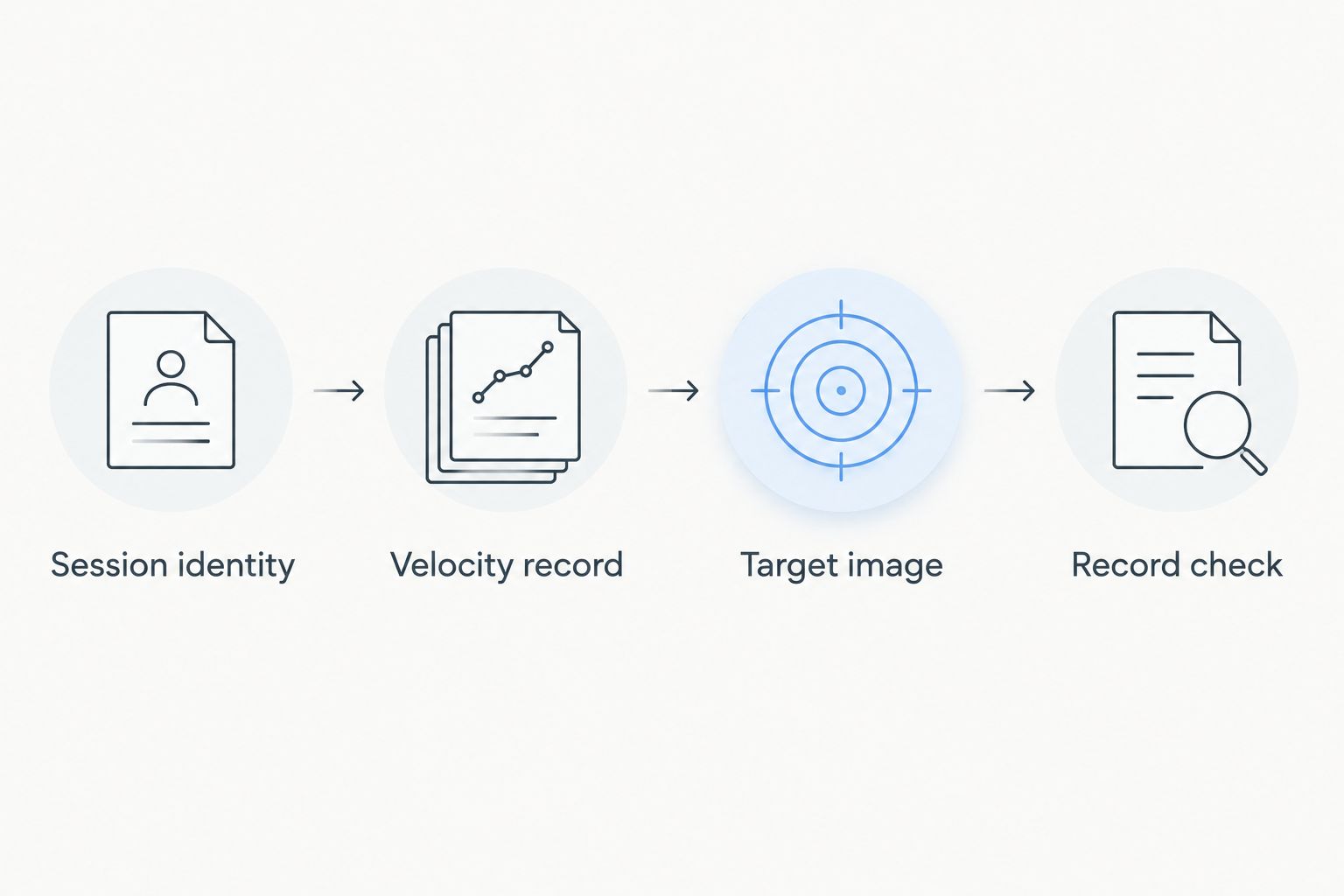
A useful chronograph and camera bundle needs an organized record, not an assumed software connection. Use the same session identifier across your velocity notes and target images so you can tell which records belong together afterward.
Keep the process simple:
- Session identity: Give the range session a clear name that appears in both records.
- Velocity record: Preserve the chronograph's measurements in the form the device supports.
- Target image: Preserve the relevant target view without assuming the camera has an unlisted recording feature.
- Record check: Confirm that the measurement record and target view refer to the same session before comparing them.
This is recordkeeping, not a recipe for ammunition changes. Equipment measurements do not replace published ammunition guidance, firearm instructions, or safe range procedures.
When reviewing a 2026 session, keep observations separate from explanations. A target image shows where impacts appeared; a velocity record shows measured velocities. Neither alone establishes the cause of a different group.
Accessories: solve a specific problem
Accessories belong in the setup only when they address a named need. These examples have stated uses, but none turns separate devices into an integrated chronograph-and-camera system.
| Accessory | Best for | Stated benefit | Limitation |
|---|---|---|---|
| Longshot Tablet Stand (Black) – Target Camera System | Positioning a viewing device | Offers two viewing-angle positions and holds most smart devices | Device fit still needs checking |
| Compact Tripod | Supporting equipment at the bench or downrange | Described for camera placement or a steady bench base | The description does not establish every mounting connection |
| 16ft USB-C Cable | A cable requirement involving Ranger or Ranger+ | Described as a 16ft cable with a threaded connector for those cameras | Do not assume compatibility with LR-3 equipment or a chronograph |
The tablet stand addresses viewing position. The tripod addresses support. The cable addresses a stated connection use. Choose accessories by their documented job, not by whether they share a brand name.
Route cables and place supports according to equipment instructions and range rules. Keep the firing area clear, and never enter the range to adjust a camera until the range permits it.
How these configurations rank
The ranking follows the stated product descriptions: compact form for Garmin Xero C2 Chronograph, projectile breadth for LabRadar LX, and included camera count for the two-camera kit. Those are distinct use cases, not competing claims about measurement accuracy.
The comparison does not assign an accuracy winner, battery-life winner, or software-integration winner. Instead, it gives each configuration a job and identifies the separate requirements that remain.
Which chronograph and camera bundle should you choose?
Choose Garmin Xero C2 Chronograph plus a separately selected target camera as the default compact configuration. Choose LabRadar LX when its explicitly stated projectile support fits your activities. Keep your existing chronograph and add the two-camera kit when separate target views are the missing capability.
For a 2026 purchase, settle the viewing requirement before adding equipment. Decide what each device must record, how you will identify the records, and where the equipment can safely operate under your range's rules.
FAQ
What's the best chronograph and camera bundle for a compact setup?
Garmin Xero C2 Chronograph paired with a separately selected target camera is the compact pick in this guide. Its description states that the chronograph is compact; the camera still needs its own suitability check.
Are these chronograph and camera pairings sold as complete bundles?
This guide compares equipment configurations rather than asserting that the chronograph and camera are sold together. The named LR-3 camera kit includes cameras and a tablet, but its description does not include a chronograph.
Is LabRadar LX better for different projectile types?
LabRadar LX is the pick here for different projectile types because its description explicitly names rifles, handguns, pellet guns, bows, and crossbows. Check the device instructions against your specific use.
Can a target camera replace a chronograph?
A target camera cannot replace a chronograph's velocity measurements. A camera shows shot impacts, while a chronograph measures projectile velocity.
Do I need two target cameras for load-development records?
You need two cameras only when you have a distinct purpose for separate views. If one target view meets your needs, additional cameras add equipment and recordkeeping without addressing a new requirement.
Do the chronograph and camera automatically match each shot?
Do not assume automatic shot matching for these pairings. Use a common session identifier and check each device's documented recording features independently.
How far can Longshotcameras target cameras show impacts remotely?
Longshotcameras describes remote impact viewing at distances up to 2 miles. Treat that as a brand-level capability and verify the specification of the particular camera configuration you select.
One last thing
The most important bundle feature is a shared record identity, not a shared carrying case. Give every velocity record and target image a matching session name before you leave the range. Otherwise, you can own both devices and still lack a reliable connection between their observations.