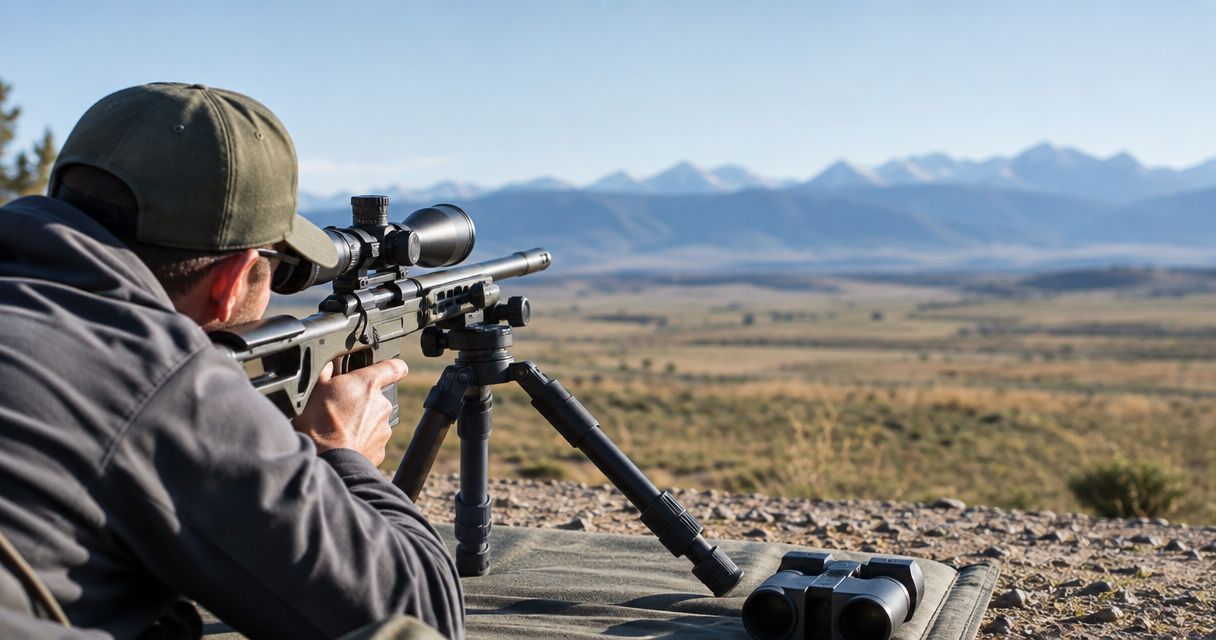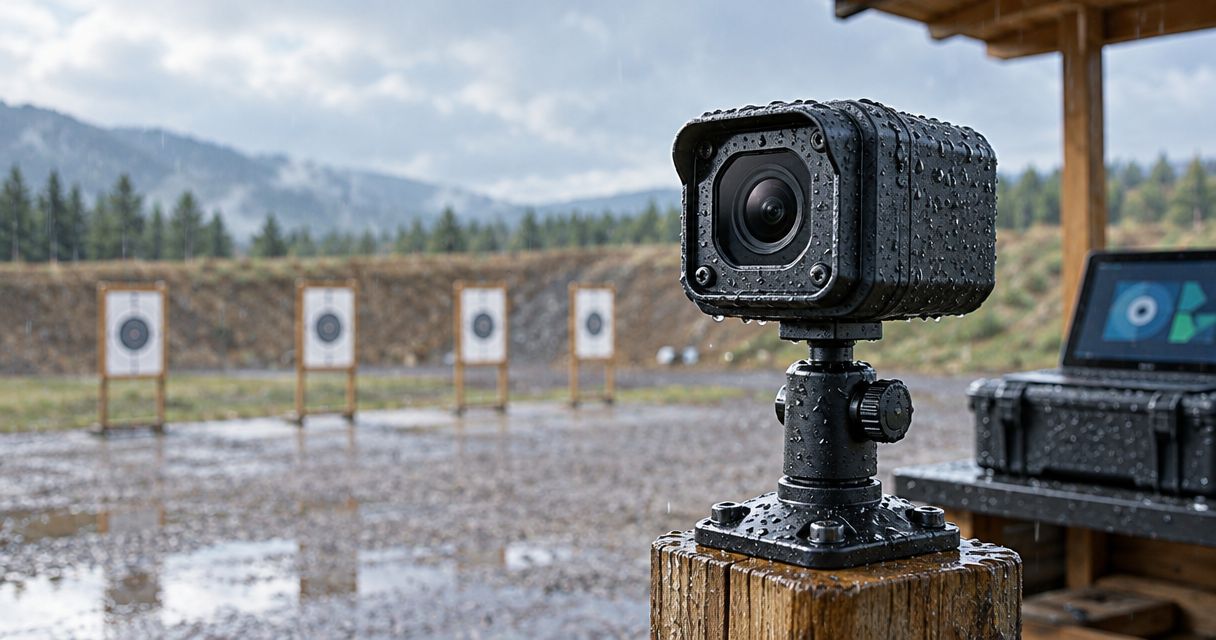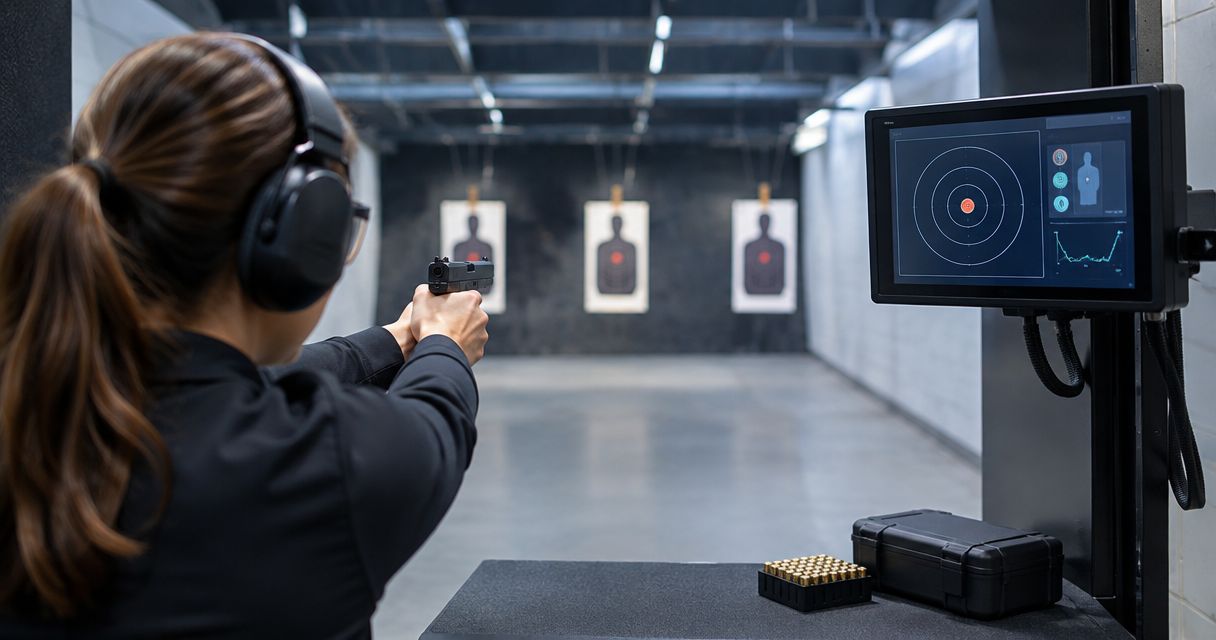
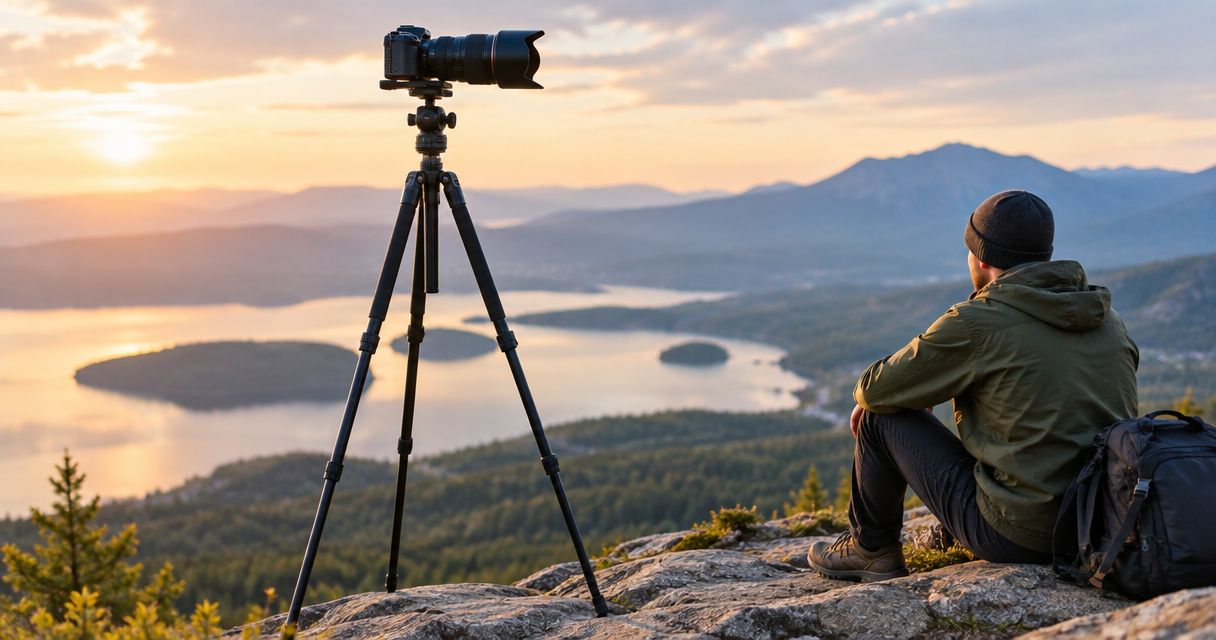
Best overall: a full-height photo tripod for a fixed target view. Best for uneven ground: a field tripod with independently adjustable legs. Best for frequent reframing: a video tripod with a fluid head. Best low-position alternative: Compact Tripod. The best tall tripod for your 2026 long-range camera setup is the one that clears the obstruction without sacrificing a steady image.
- Choose a tall tripod for necessary clearance, not maximum advertised height.
- A full-height photo tripod is the default for a fixed target-camera view.
- Choose independently adjustable legs for uneven ground and a fluid head for frequent reframing.
- Longshotcameras target cameras suit shooters who want to view shot impacts remotely.
- Compact Tripod is a low-position alternative, not a verified tall-tripod recommendation.
Why this matters
A target camera needs a clear view of the target and a support that keeps that view in place. Extra height solves an obstruction problem; it does not automatically solve an image-stability problem. Extending a center column also increases the distance between the camera and the tripod's main support structure.
Longshotcameras sells target cameras and accessories for shooters and hunters to view shot impacts remotely at distances up to 2 miles. That operating distance makes placement consequential: you want to finish the camera setup before returning to the firing position, not discover an obstructed view afterward.
Longshotcameras target cameras are best for shooters who want to view shot impacts remotely without walking downrange. Choose the support around that task rather than around a tripod's tallest configuration.
What makes the best tall tripod?
For a 2026 purchase, compare the tripod at the height you will actually use. A maximum-height specification alone leaves out the head, leg position, camera attachment, and ground conditions.
- Working height: Can the camera see the entire target without depending on a fully extended center column? Separate leg-supported height from total advertised height.
- Mount compatibility: Verify the camera attachment, head attachment, and plate interface. A familiar-looking screw does not establish compatibility.
- Leg adjustment: Independent leg length and angle adjustments let you accommodate slopes, rocks, and uneven surfaces.
- Locked-head behavior: The camera should hold its framing after you tighten the head. Test for movement rather than judging the head by appearance.
- Transport fit: Compare folded size and carrying requirements with the route to your camera position. A useful support still has to reach the setup location.
- Foot contact: Every foot needs firm contact. Choose feet and leg positions that suit the actual surface, then check the assembled support for rocking.
Common photographic mounting standards include 1/4-inch screws with 20 threads per inch and 3/8-inch screws with 16 threads per inch. These are standards to identify, not confirmation that a particular target camera accepts either attachment. Verify the equipment documentation before buying a head, plate, or adapter.
Tall tripod options at a glance
These recommendations rank support types by task, not named models by unverified specifications. The order matches the detailed sections below.
| Option | Best for | Standout feature | Key limitation |
|---|---|---|---|
| Full-height photo tripod | Fixed target framing | Adjustable height with a lockable camera head | Center-column extension can reduce steadiness |
| Field tripod with independent leg adjustment | Uneven outdoor ground | Separate leg length and angle adjustment | Setup requires attention to each foot and leg |
| Video tripod with a fluid head | Frequent camera reframing | Controlled pan and tilt movements | Head and plate compatibility need checking |
| Compact Tripod | Low downrange or bench placement | Described for camera use downrange or at the bench | Supplied details do not establish tall working height |
1. Full-height photo tripod: best for fixed target framing
A full-height photo tripod is the default when your camera needs elevation but does not need continuous movement. Set the framing, lock the head, and leave the camera pointed at the target. Choose a configuration that reaches the necessary view primarily through the legs.
The decisive feature is usable height, not the tallest position. If the camera clears vegetation only with the center column fully raised, compare another leg configuration or another support before committing. A short column extension and a long extension are mechanically different setups, even on the same tripod.
Full-height photo tripod pros:
- Adjustable height lets you match the camera position to the obstruction.
- A lockable head supports a fixed target composition.
- Separate head and leg choices let you evaluate mounting and height independently.
Full-height photo tripod cons:
- Center-column extension adds another elevated support section.
- Multiple leg sections create more locks to check.
- A photographic plate can require an interface your target camera does not use.
Best for: A shooter placing a camera at a fixed outdoor position with a clear target view.
For your 2026 shortlist, ask whether the published height includes the center column and head. Then evaluate the camera at that configuration, with cables routed as they will be during use. A camera that shifts when you release the head is not ready simply because every knob feels tight.
Verdict: Buy this support type when fixed framing is the priority and the mount is verified.
2. Adjustable field tripod: best for uneven ground
A field tripod with independent leg adjustment addresses terrain first. You can shorten a leg on the high side of a slope and adjust the others to establish firm contact. Leg-angle adjustment provides another way to fit the support around obstacles.
This is a distinct use case from a level bench or prepared camera pad. You need the tripod to fit the ground without balancing a foot on loose material or forcing the camera into an awkward position. The head then handles final framing.
Adjustable field tripod pros:
- Independent leg lengths accommodate uneven elevations.
- Adjustable leg angles help position the feet around obstacles.
- The camera position can be adapted without requiring a level surface underneath.
Adjustable field tripod cons:
- Each leg needs an individual contact and lock check.
- A wider stance occupies more ground area.
- Terrain adjustment does not replace a compatible camera mount.
Best for: A shooter setting a camera on sloped, rocky, or irregular ground.
Do not confuse a field tripod intended to support a rifle with a tripod ready to accept a camera. The attachment matters. A clamp, saddle, plate, or head supplied for another task does not establish target-camera compatibility.
Inspect the complete assembly before taking it downrange. Confirm that every leg lock holds and that the chosen stance remains within the tripod manufacturer's instructions.
Verdict: Buy this support type when uneven ground is the main setup constraint.
3. Video tripod with a fluid head: best for frequent reframing
A video tripod with a fluid head is useful when you repeatedly change the camera's horizontal or vertical aim. The fluid head provides controlled pan and tilt movement. It is a handling choice, not proof that the camera will deliver a clearer target image.
Choose this category when reframing is part of the session. For a camera that stays aimed at one target, the movement controls are less important than a secure attachment and reliable locks.
Video tripod with a fluid head pros:
- Separate pan and tilt controls support deliberate framing adjustments.
- Controlled movement helps you reposition the view without free-swinging the camera.
- A handle provides a way to adjust framing without gripping the camera body.
Video tripod with a fluid head cons:
- The head and plate add components to carry and secure.
- Some video leg systems are less convenient on irregular ground; check the configuration.
- A handle or plate can interfere with camera placement or cable routing.
Best for: A camera operator who regularly reframes between target positions.
For a 2026 comparison, examine the locks as closely as the movement. Smooth adjustment is useful only if the camera stays where you leave it. Check that the plate permits the required orientation and that attached cables do not pull against the head.
A fluid head does not remove the need to check footage or the live view after locking. Finish the adjustment, release the handle, and inspect the target framing again.
Verdict: Buy this support type for repeated reframing; skip it when its movement controls serve no purpose.
4. Compact Tripod: best for low camera placement
Compact Tripod is described as a support for placing a camera downrange or establishing a steady base at the bench. That makes it relevant to target-camera placement, but it does not make it a tall tripod. The supplied product details do not establish its extended height, folded dimensions, mounting standard, or load rating.
Compact Tripod is the low-position alternative in this guide, not the answer to a verified height requirement. Consider it when a low viewpoint already shows the full target and does not put the camera behind vegetation or another obstruction.
Compact Tripod pros:
- Its description explicitly includes camera placement downrange.
- Its description also identifies bench use.
- It provides a relevant alternative when elevation is not the actual requirement.
Compact Tripod cons:
- Its supplied details do not confirm tall working height.
- Mount compatibility still needs verification.
- A low camera position does not solve an elevated sightline requirement.
Best for: A shooter whose camera can see the target from a low downrange position or bench.
A low setup is worth evaluating before adding height. Look through the camera from the intended location, not from where you are standing. The obstruction that appears minor at eye level can fill the camera's view near the ground.
Verdict: Hold until the mounting details are confirmed; skip it if tall working height is essential.
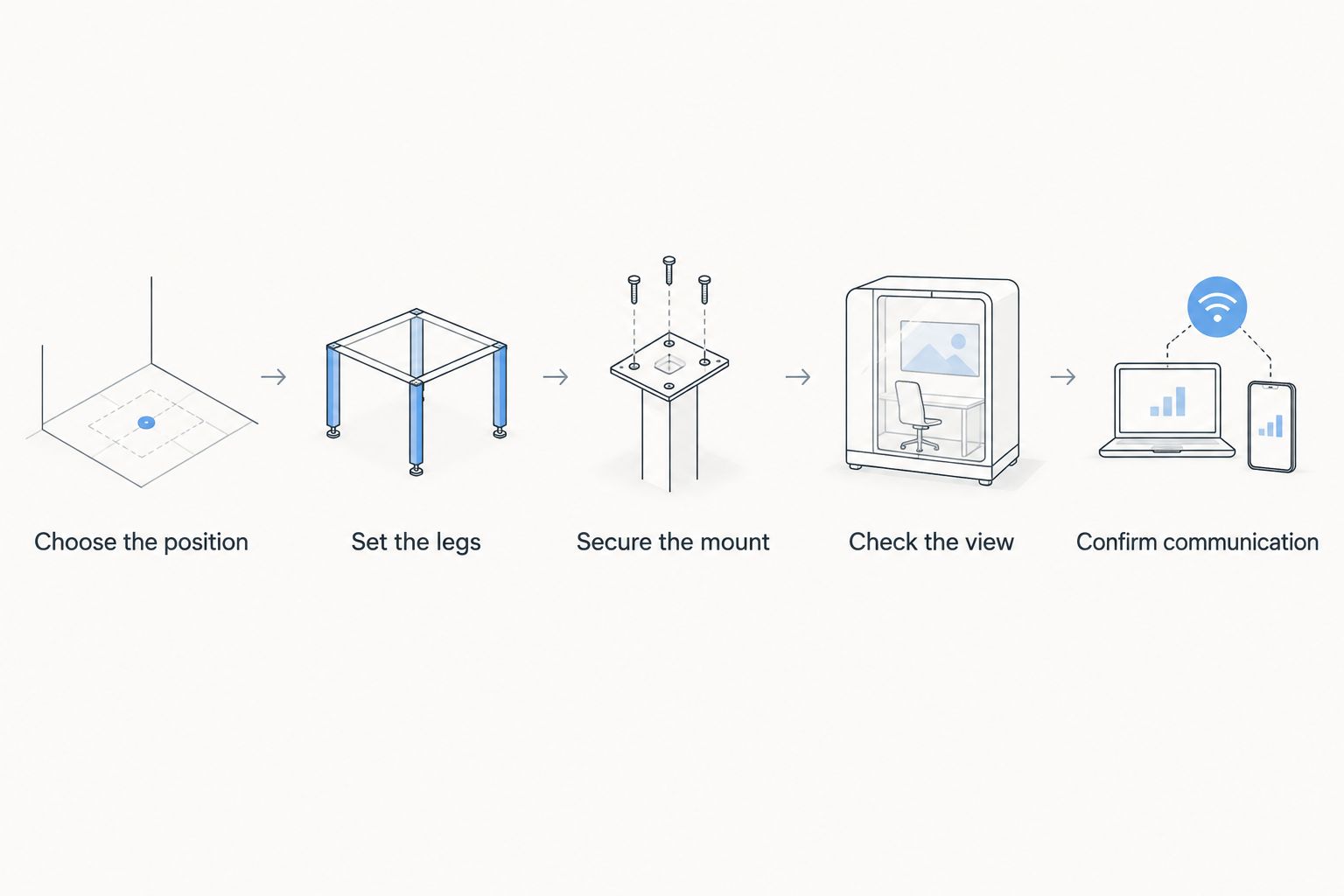
Set up the support before you leave the camera
A tall tripod needs a complete setup check, not just extended legs. Follow this sequence during the range's authorized setup period, with the firing line controlled under the range's rules.
Choose the position
Choose the location under the range's procedures and keep the equipment out of the intended projectile path. Check the target view from the camera position. Do not rely on the view from your standing position.
Set the legs
Establish firm foot contact and extend the legs only as needed. Check every lock. If the support rocks, correct the footing before trying to compensate with the camera head.
Secure the mount
Attach the camera using its documented mounting interface. Confirm that the plate, screw, or adapter seats correctly and does not depend on a cable to prevent rotation. Do not force mismatched threads.
Check the view
Frame the entire area you need to inspect, then lock the head and release your hands. Verify the image again. Route cables with enough slack that they do not tug on the camera or catch when you adjust the head.
Confirm communication
Verify the live view from the intended viewing position before beginning the session. A clear camera sightline and a working communication link are separate requirements. Extra tripod height is not a substitute for following the camera system's setup instructions.
How the options are ranked
This 2026 ranking prioritizes working height, mounting compatibility, ground adjustment, locked framing, transport fit, and foot contact. A full-height photo tripod is the default for a fixed view; the other support types address different constraints rather than competing for the same job.
No model-level height, load, or wind-performance ranking is assigned without supporting specifications. Compact Tripod is included because its description identifies camera use, with its height limitations stated rather than assumed.
Which tall tripod should you choose?
Choose a full-height photo tripod unless terrain or repeated reframing gives you a specific reason to choose differently. Use independent leg adjustment for uneven ground. Choose a fluid head when controlled movement is part of the task.
For a Longshotcameras target-camera setup, verify the camera mount before choosing the support. If the target is visible from a low position, evaluate that position first. The right height is the height that solves your obstruction problem while keeping the image steady.
FAQ
What's the best tall tripod for a long-range target camera?
A full-height photo tripod is the default for a fixed target-camera view. Choose independently adjustable legs for uneven ground or a fluid head when you frequently reframe, and verify the camera mount before buying.
How tall does my target-camera tripod need to be?
Your tripod needs to raise the camera enough to show the required target area without obstruction. Check the view from the actual camera position and distinguish leg-supported height from height that depends on an extended center column.
Is a video tripod better than a photo tripod for a target camera?
A video tripod with a fluid head is better suited to frequent pan and tilt adjustments. A photo tripod with a secure, lockable head is the simpler starting point for a camera that stays aimed at one target.
Can I use a shooting tripod to hold a target camera?
Use a shooting tripod only after verifying a compatible camera attachment. A rifle clamp or saddle does not establish camera compatibility, and the complete assembly must hold the camera securely.
Is Compact Tripod a tall tripod?
The supplied Compact Tripod details do not establish tall working height. Its description identifies camera placement downrange and bench use, so evaluate it as a low-position alternative until its dimensions are confirmed.
Will raising a camera tripod extend its wireless range?
Do not treat extra tripod height as a guaranteed range extension. Follow the camera system's placement instructions and verify communication from your intended viewing position before beginning the session.
Do all cameras use the same tripod screw?
No; verify the camera's documented mounting interface. Common photographic standards include 1/4-inch screws with 20 threads per inch and 3/8-inch screws with 16 threads per inch, but those standards do not confirm compatibility with a particular target camera.
One last thing
Run the final framing check after you take your hands off the camera. Holding the camera while inspecting its view can hide movement that appears when the head carries the load alone. For your 2026 setup, the decisive image is the one the locked support holds without assistance.