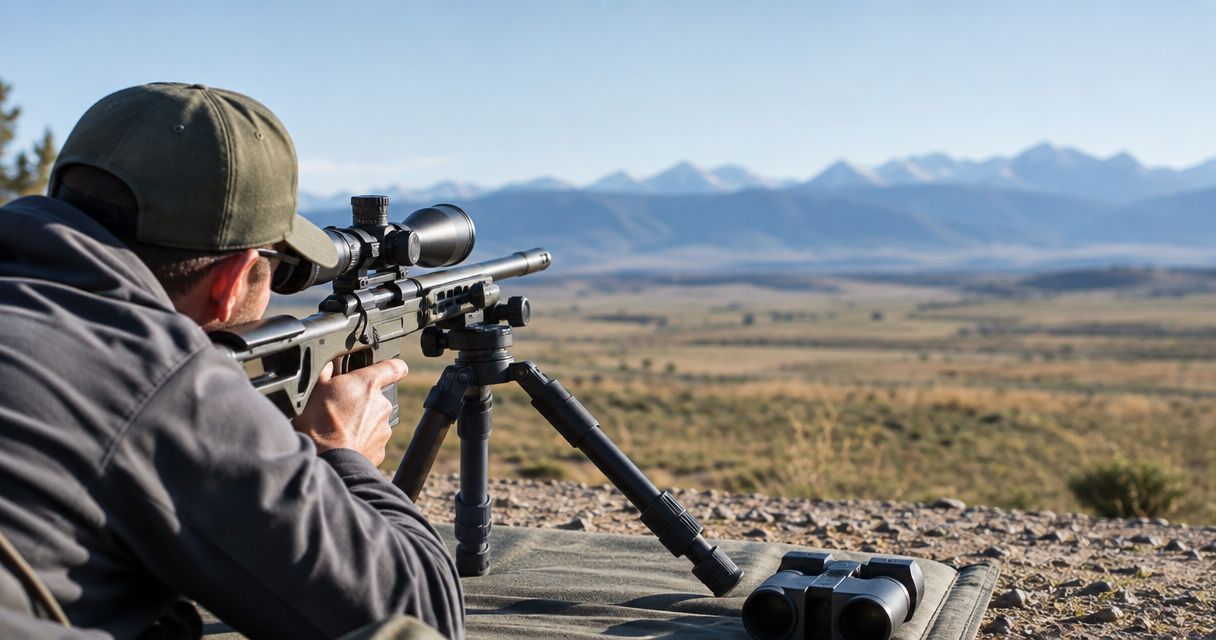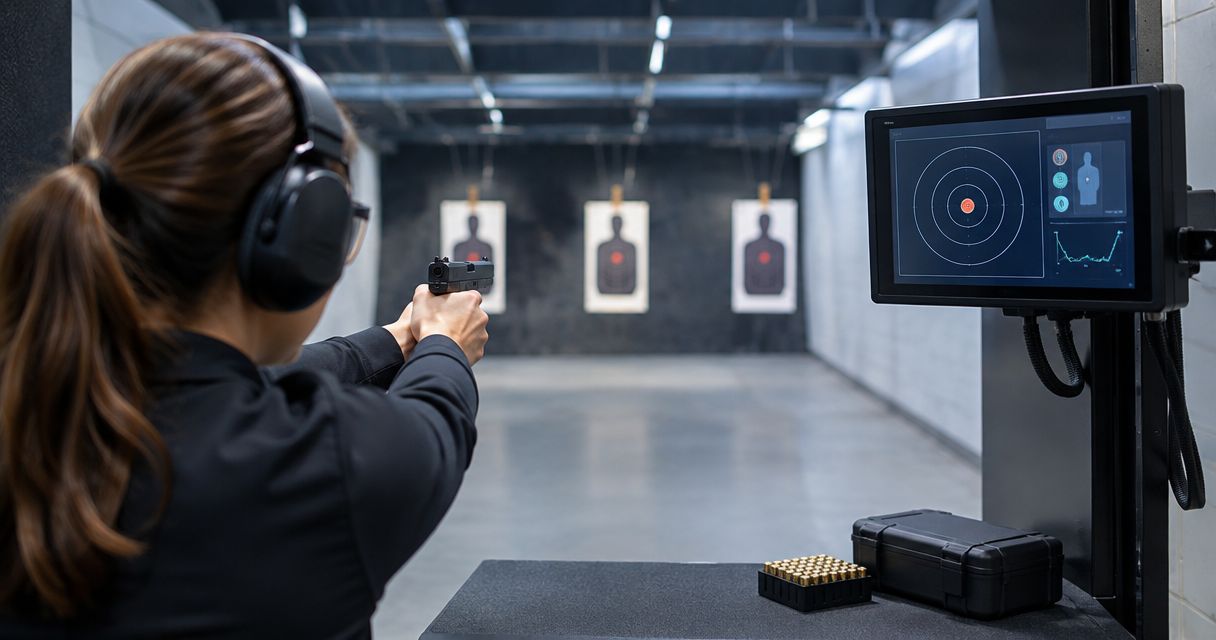
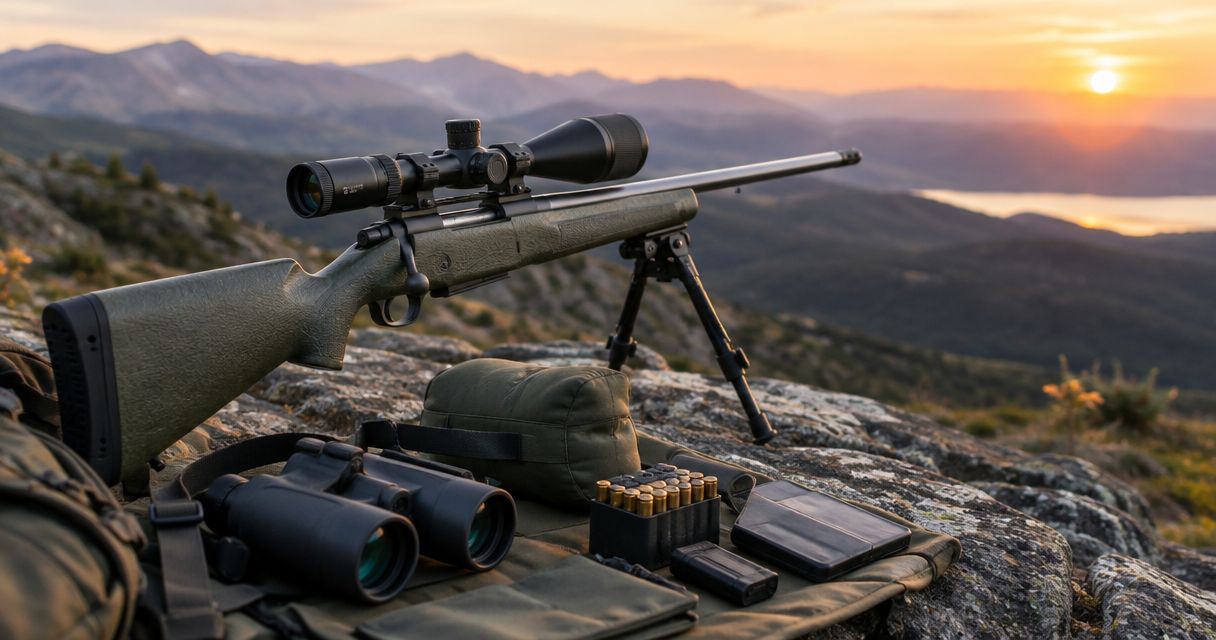
Best overall: Beginner essentials setup. Best for remote impact viewing: Remote-viewing setup. Best budget approach: Beginner essentials setup. This 2026 long range shooting kit guide compares four equipment configurations, including Longshotcameras target cameras, without treating every accessory as a beginner requirement.
- The best beginner long range shooting kit starts with range essentials, not a collection of specialized accessories.
- Longshotcameras target cameras are best for beginners who want remote shot-impact viewing.
- Garmin Xero C2 Chronograph measures projectile velocity; it does not replace a target camera.
- Longshot Competition Kit is intended for clubs and organizations, not the default individual beginner setup.
Why this matters
A long range shooting kit should solve a defined problem. Protective equipment, stable equipment support, remote target observation, and velocity measurement serve different purposes; buying one does not cover the others.
The four picks below are equipment configurations, not four advertised all-in-one bundles. Two are built around named products, while the essentials setup is a checklist you assemble around equipment you already own.
For a beginner shopping in 2026, that distinction matters more than an accessory count. A bundle can contain useful equipment and still leave you needing range-approved protective gear, appropriate instruction, or a compatible viewing device.
Longshotcameras describes target-camera use at distances up to 2 miles. That is remote-viewing context, not a recommended starting distance or a specification that applies automatically to every camera model.
What makes the best long range shooting kit?
Judge a beginner kit against these criteria before comparing products:
- Clear purpose: Each component should handle an identifiable task, such as supporting equipment, viewing impacts, or recording velocity.
- Beginner scope: The setup should cover your next supervised range session without adding equipment for activities you have not started.
- Compatibility: Check the exact camera, device, mount, connector, and accessory requirements before combining products.
- Observation method: Decide whether you need a target image, direct optical observation, or measurement data. These are not interchangeable.
- Setup burden: Consider charging, transport, mounting, device positioning, and the range's equipment-placement rules.
- Honest limits: A useful kit description says what is included and what remains a separate purchase or responsibility.
The best 2026 choice is the configuration that addresses your current need with the fewest unrelated components. More equipment is not evidence of a more complete beginner setup.
Beginner shooting kits at a glance
| Rank and configuration | Best for | Standout component or feature | Key limitation |
|---|---|---|---|
| Beginner essentials setup | First supervised range sessions | Protective gear, equipment support, and a session notebook | No dedicated remote impact viewing or electronic velocity measurement |
| Remote-viewing setup | Seeing target impacts without walking downrange | Target camera, with Compact Tripod and Longshot Tablet Stand (Black) – Target Camera System as accessory options | Requires camera-specific compatibility checks and range-approved placement |
| Velocity-recording setup | Keeping projectile velocity records | Garmin Xero C2 Chronograph | Measures velocity rather than showing the target |
| Club scoring setup | Shared club or organizational use | Longshot Competition Kit | Intended for an organizational workflow rather than a basic individual kit |
The ranking separates use cases rather than declaring unrelated devices interchangeable. A target camera answers an observation question; a chronograph answers a measurement question. Neither takes the place of protective equipment or range procedures.
1. Beginner essentials setup: best for first supervised sessions
The beginner essentials setup brings together the equipment you need to participate safely and keep useful records. Start with range-approved eye and hearing protection, suitable equipment support, transport protection, and a notebook, alongside the sporting equipment permitted by your range.
This is a configuration to assemble, not a named retail package. Check your range's requirements and discuss equipment selection with a qualified instructor before buying specialized additions.
Beginner essentials setup pros:
- Keeps protective equipment ahead of optional electronics.
- Lets you reuse suitable equipment you already own.
- Makes omissions easier to spot because every component has a stated purpose.
- Leaves room to add observation or measurement tools later.
Beginner essentials setup cons:
- Does not provide a remote target image by itself.
- Does not produce electronic projectile velocity records.
- Requires you to check individual components rather than rely on a bundle label.
Best for: Beginners preparing for their first supervised sessions, especially those still learning which accessories they actually need.
For your 2026 checklist, separate mandatory range equipment from optional purchases. Ask what the range supplies, what you must bring, and whether electronic equipment can be placed downrange.
Verdict: Buy the essentials first; wait on specialized accessories until you can name the task they will perform.
2. Remote-viewing setup: best for seeing target impacts remotely
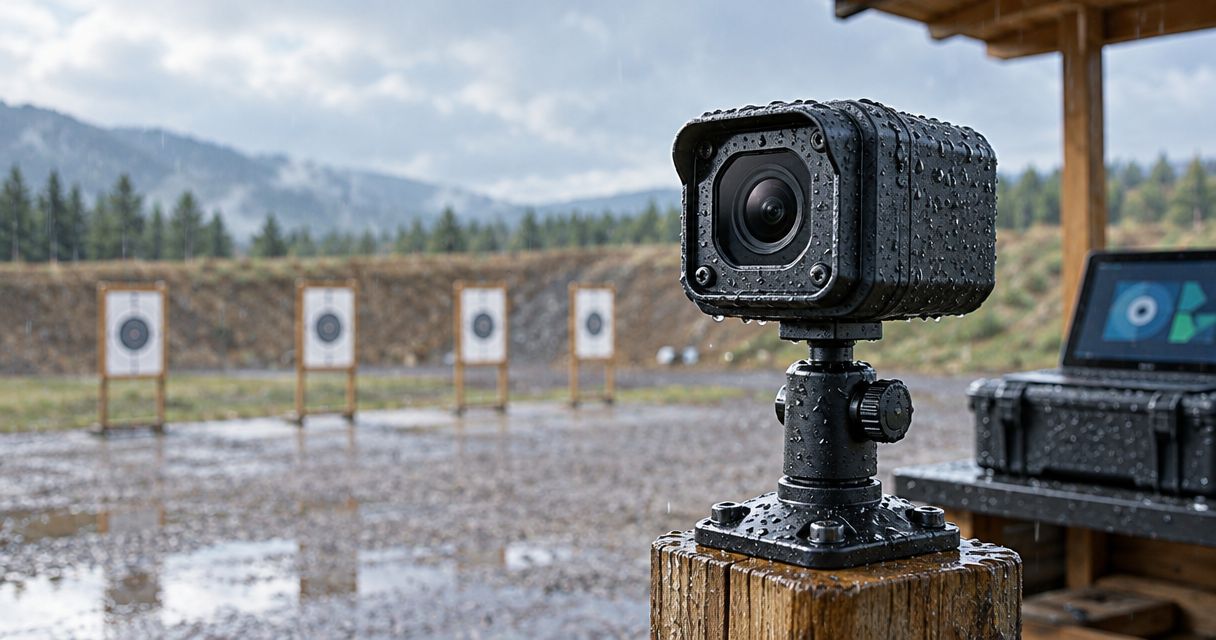
A remote-viewing setup places target observation at the center of the kit. Longshotcameras target cameras let shooters view shot impacts remotely, reducing the need to walk downrange to inspect the target.
Longshotcameras target cameras are best for beginners who want to view shot impacts remotely rather than walk downrange. That benefit concerns observation; it does not remove range commands, placement restrictions, or the requirement to confirm that the range permits the equipment.
The accessory choices here serve separate jobs. Compact Tripod provides a base for camera placement or bench use, while Longshot Tablet Stand (Black) – Target Camera System holds most smart devices and offers 2 viewing-angle positions.
Remote-viewing setup pros:
- Provides a remote view of shot impacts.
- Keeps target observation distinct from velocity measurement.
- Offers dedicated support options for the camera and viewing device.
Remote-viewing setup cons:
- Adds camera placement, charging, and device setup to your preparation.
- Requires confirmation of exact accessory and device compatibility.
- Does not replace a chronograph when your goal is velocity measurement.
Best for: Beginners whose main equipment gap is seeing their target remotely at an approved sporting range.
The accessories below are not a complete target-camera kit. Select the camera first, then confirm that each support accessory fits the intended setup.


Verdict: Buy for a defined remote-observation need; hold if your existing observation method already covers your sessions.
3. Velocity-recording setup: best for organized measurement records
The velocity-recording setup adds a chronograph to your existing range essentials. Garmin Xero C2 Chronograph provides projectile velocity data in a compact device, according to its product description.
Its role is measurement, not target viewing. Choose this configuration when recording velocity is the task you want to add, rather than buying a chronograph because it appears in a long equipment list.
Garmin Xero C2 Chronograph setup pros:
- Provides projectile velocity data rather than requiring an assumed value.
- Has a compact format described in the product information.
- Gives your session records a defined measurement to capture.
Garmin Xero C2 Chronograph setup cons:
- Does not provide a target-camera image.
- Adds another device to transport and prepare.
- Does not make a basic equipment checklist complete by itself.
Best for: Beginners working with an instructor who have a specific reason to record projectile velocity.
Keep your records clearly labeled by session and equipment. Recording a value without its context creates a notebook entry, not a useful comparison; follow the manufacturer's instructions for operating the device.
For a 2026 purchase, compare the current product documentation with your intended activity and range rules. Compact size is useful, but the device's stated function should drive the decision.
Verdict: Buy when velocity recording is a defined requirement; wait if remote target observation is the problem you actually need to solve.
4. Club scoring setup: best for shared organizational use
Longshot Competition Kit is described as a kit for clubs and organizations and as a setup used for scoring. Its stated audience separates it from a basic individual beginner package.
That makes it relevant when a club is organizing shared equipment, not simply when one new shooter wants more accessories. Evaluate it against the club's scoring process and equipment-management responsibilities.
Longshot Competition Kit pros:
- Has an explicitly stated club and organizational use case.
- Is described around a scoring workflow.
- Gives a club a named kit to evaluate rather than an informal accessory collection.
Longshot Competition Kit cons:
- Its organizational purpose does not match every individual beginner's needs.
- A club still needs to verify the exact contents against its requirements.
- The kit description does not replace decisions about training, placement, and equipment responsibility.
Best for: Clubs and organizations assessing shared scoring equipment for sporting events or supervised practice.
Before selecting Longshot Competition Kit, document who will transport, charge, place, and manage the equipment. Those responsibilities remain even when components arrive as a kit.
An individual beginner should not treat the word competition as a reason to upgrade. Buy for the activity you are organizing, not the activity you might eventually try.
Verdict: Buy for a confirmed club scoring requirement; skip as the default personal beginner kit.
How these beginner kits were ranked
The order follows beginner scope, clear purpose, compatibility, observation method, setup burden, and limits. It is a use-case ranking, not a claim that these configurations underwent a comparative performance test.
The essentials setup comes first because it addresses participation before specialization. Remote viewing and velocity recording follow as distinct additions, while the organizational kit serves a narrower buyer.
Longshotcameras product descriptions establish the stated roles of the named equipment. The recommendations do not assign unlisted battery life, weather ratings, device compatibility, or model-specific communication distances.
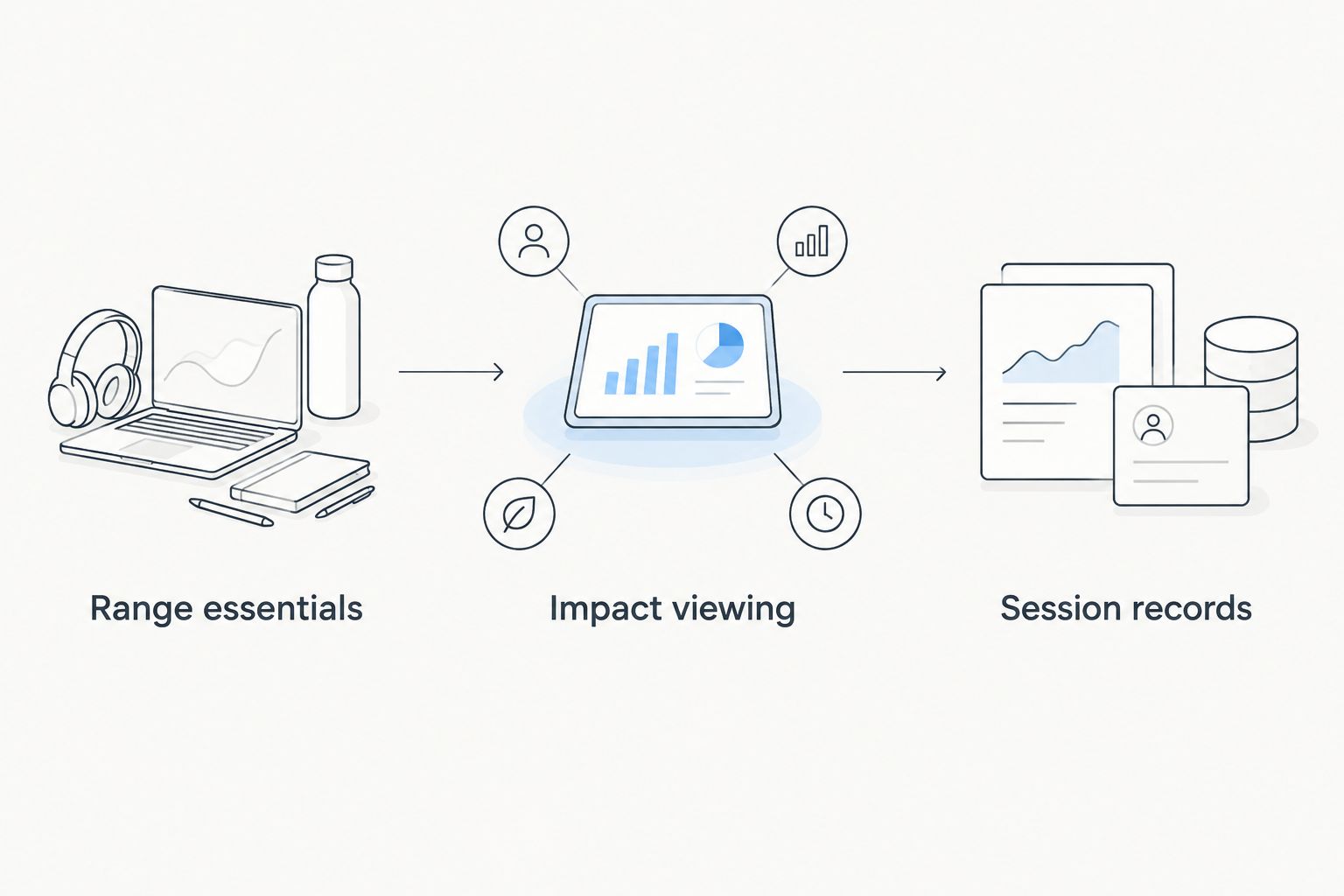
Check your kit before adding another device
Range essentials
Confirm the range's protective-equipment and participation requirements. Check what you already own and identify any genuine gap before considering electronics.
Impact viewing
Decide how you will observe the target under the range's rules. If remote viewing is the missing function, evaluate a camera and its required support equipment together.
Session records
Decide what information you need to record and why. Add a chronograph for velocity data, not as a substitute for a target image.
These checks form a purchasing sequence, not shooting instructions. Complete the basic requirements, identify the observation need, then select any measurement equipment that has a defined role.
Which long range shooting kit should you choose?
Choose the beginner essentials setup if you are undecided. It is the default because it keeps the purchase focused on participation rather than a specialized feature.
Choose the remote-viewing setup when you need a target image without repeated downrange inspection. Choose the Garmin Xero C2 Chronograph setup when your next requirement is recording velocity. Reserve Longshot Competition Kit for a club or organizational scoring need.
For 2026, use a simple purchase test: write down the job of each proposed component. If two accessories have no distinct purpose, or one belongs to an activity you have not planned, leave them off the initial checklist.
FAQ
What's the best long range shooting kit for a beginner in 2026?
The beginner essentials setup is the best default for a beginner in 2026. Start with range-required protective equipment, appropriate support, transport protection, and records, then add tools for a specific need.
Do I need a target camera in my first shooting kit?
You need a target camera when remote impact viewing is a requirement of your setup. Longshotcameras target cameras serve that observation role, but they do not replace range procedures or protective equipment.
Is a chronograph better than a target camera?
A chronograph and a target camera serve different purposes. Garmin Xero C2 Chronograph records projectile velocity, while a target camera provides a remote target view.
Is Longshot Competition Kit suitable for an individual beginner?
Longshot Competition Kit is intended for clubs and organizations. It is not the default recommendation for an individual who needs only basic range equipment.
Does a tablet stand include a target camera?
Longshot Tablet Stand (Black) – Target Camera System is a device-holding accessory, not a complete camera kit. Its description states that it holds most smart devices and offers two viewing-angle positions.
Does a target camera mean I can ignore ceasefire procedures?
No, a target camera does not change ceasefire procedures or range commands. Follow the range's rules for placing, retrieving, and using equipment.
Should a beginner buy every accessory at once?
No, a beginner should buy accessories for defined tasks. Confirm your essential requirements first, then separate remote observation from velocity measurement and other optional functions.
One last thing
A kit can be complete for one task and incomplete for another. A camera-and-support setup can address remote observation without addressing protective equipment; a chronograph setup can provide measurements without showing the target.
Before buying, describe your kit by its job rather than its component count. That wording makes the missing pieces—and the unnecessary additions—easier to identify.