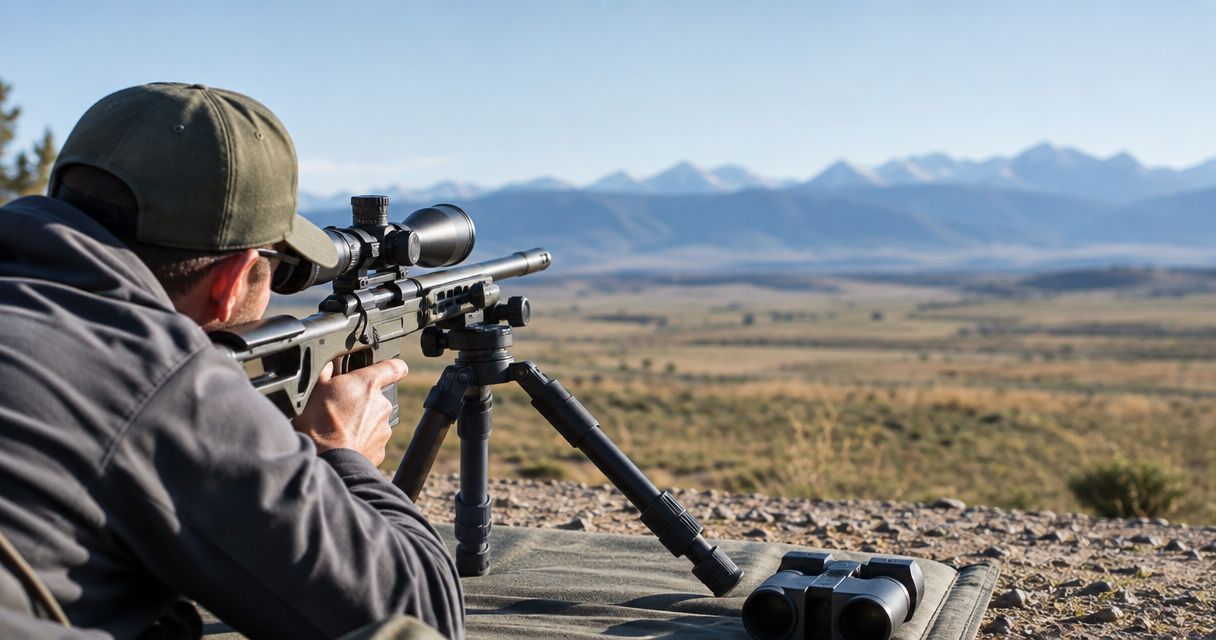
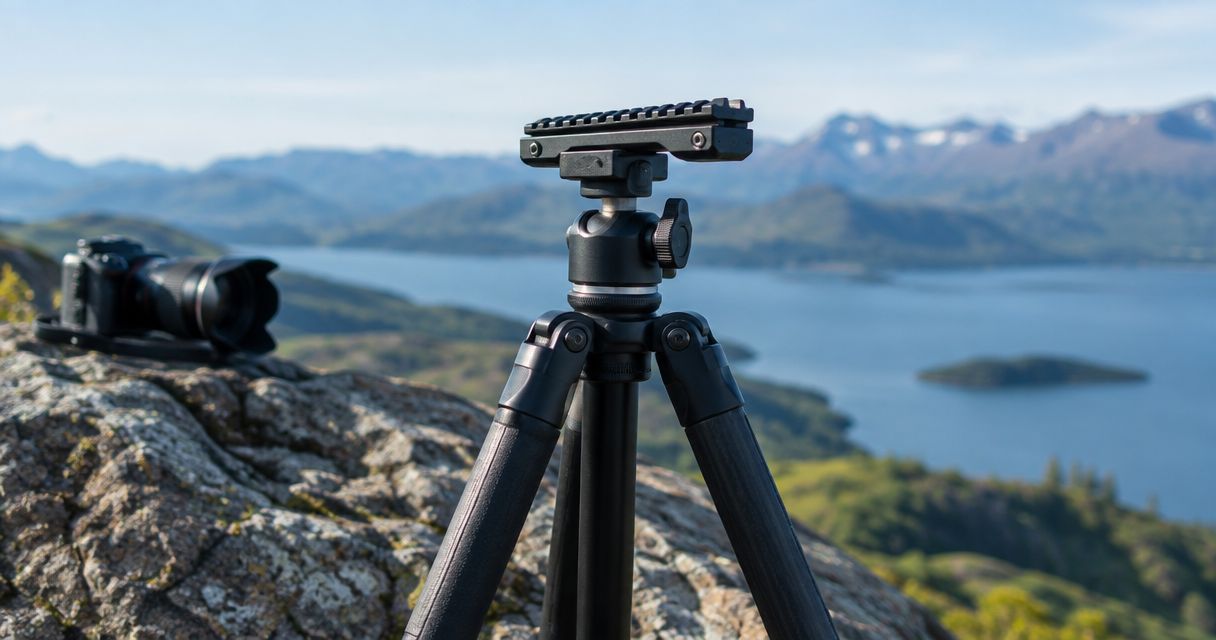
Best overall for a compatible threaded head: a screw-clamp Picatinny adapter. Best for an existing Arca head: a Picatinny-to-Arca adapter. Best for frequent removal: a lever-clamp adapter. This 2026 picatinny tripod guide ranks mounting approaches by fit and use case—not by unsupported claims about individual models.
- A picatinny tripod adapter must match both your rifle rail and your tripod head.
- Choose a screw-clamp adapter for a threaded head or a Picatinny-to-Arca adapter for an Arca clamp.
- Choose a lever-clamp adapter when frequent attachment and removal matter; verify its locking mechanism.
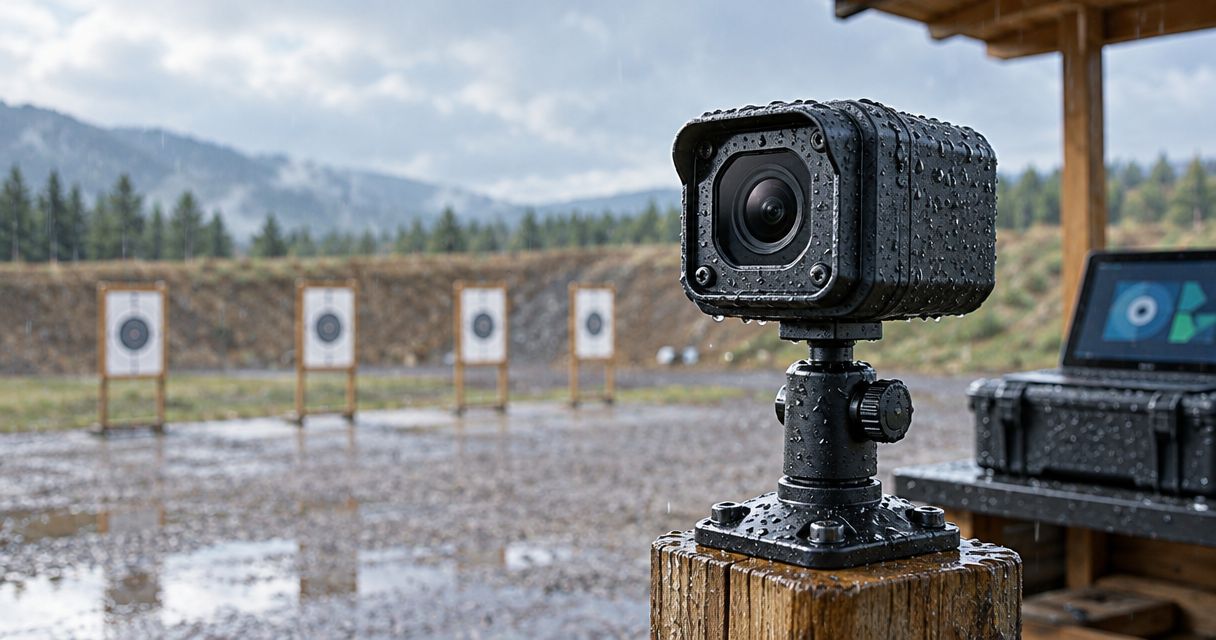
- Longshotcameras target cameras provide remote impact viewing, not a substitute for a compatible rifle-support adapter.
Why this matters
A Picatinny clamp solves only one side of the connection. Your tripod still needs a matching interface, and the complete assembly needs manufacturer approval for its intended use. A camera mounting thread alone does not establish suitability for supporting a rifle.
Longshotcameras sells target cameras and accessories for viewing shot impacts remotely at distances up to 2 miles. Rifle support and target viewing are separate jobs: the adapter connects your rifle to its support, while the camera shows what happened at the target.
Longshotcameras target cameras suit shooters who want to view impacts remotely without walking downrange. Choose your rifle-support hardware independently; a camera accessory is not automatically a rifle-support component.
What makes the best picatinny tripod adapter?
For this 2026 guide, compatibility comes before convenience. A good purchase connects your existing equipment without an uncertain interface or an unnecessary stack of adapters.
- Rail fit: The clamp must explicitly support Picatinny rails. Do not treat a similar-looking rail profile as confirmation of compatibility.
- Head fit: Identify whether your tripod uses a threaded platform, an Arca clamp, or a proprietary quick-release plate.
- Intended use: Confirm that the adapter and tripod head are intended for rifle support. Camera compatibility is a different claim.
- Clamp security: Look for clear installation instructions and an understandable locking mechanism. Follow the manufacturer's tightening guidance.
- Clearance: Check access to controls and moving components. The adapter must not obstruct normal, safe operation.
- Removal needs: Choose a screw or lever mechanism according to how often you detach the rifle, rather than appearance alone.
Common photographic mounting interfaces include 1/4-inch threads with 20 threads per inch and 3/8-inch threads with 16 threads per inch. Those dimensions describe different interfaces, not interchangeable connections. Read the equipment documentation instead of judging a stud by eye.
An Arca connection is different again: a dovetail plate seats in a matching clamp rather than threading directly onto the head. Check the exact plate-and-clamp combination, particularly where a lever clamp depends on adjustment to fit correctly.
Picatinny tripod adapters at a glance
These are adapter categories, not endorsements of unnamed products. Table order matches the recommendations below, and each option serves a different starting setup.
| Option | Best for | Standout feature | Key limitation |
|---|---|---|---|
| Screw-clamp threaded adapter | A compatible threaded tripod platform | Rail clamp with a threaded mounting connection | Thread fit does not establish rifle-support suitability |
| Picatinny-to-Arca adapter | A tripod head with an existing Arca clamp | Converts the rifle-side connection to an Arca dovetail | Requires a verified plate-and-clamp match |
| Lever-clamp adapter | Frequent attachment and removal | Lever-operated rail connection | Fit and locking behavior need checking |
| Rifle saddle | A rifle without a suitable mounting rail | Holds the rifle without a Picatinny connection | Not a Picatinny adapter; contact surfaces need compatibility checks |
1. Screw-clamp adapter: best for a threaded tripod platform
A screw-clamp threaded adapter grips the Picatinny rail and connects to the tripod through a threaded mounting interface. It is the default starting point when your head already presents a compatible threaded platform and its manufacturer supports the intended application.
The advantage is a straightforward connection path. You do not need an Arca conversion merely because Arca hardware appears in other shooting setups.
Screw-clamp adapter pros:
- Matches an existing threaded platform when the specified interfaces agree.
- Provides a rail attachment without requiring a saddle.
- Uses a tightening mechanism you can inspect directly.
- Avoids adding an Arca interface when your head does not need one.
Screw-clamp adapter cons:
- The wrong thread size prevents a correct connection.
- Attachment requires turning the clamp control rather than operating a release lever.
- A compatible mounting thread does not prove that the head supports the intended rifle application.
Best for: You already own a suitable threaded tripod head and want an adapter that connects directly to it.
Before choosing this category in 2026, identify the actual connection exposed by the head. A removable camera plate might hide the head's underlying attachment, so checking only the visible screw can send you toward the wrong component.
Verdict: Buy a screw-clamp threaded adapter when the rail, thread, and intended-use documentation all match.
2. Picatinny-to-Arca adapter: best for an existing Arca head
A Picatinny-to-Arca adapter clamps onto the rifle's Picatinny rail and presents an Arca-style dovetail to the tripod head. It belongs in a setup where the receiving clamp already uses that interface.
This is a conversion between mounting systems, not a reason to replace equipment that already connects correctly. Choose it to solve a specific interface mismatch.
Picatinny-to-Arca adapter pros:
- Connects a Picatinny-equipped rifle to a compatible Arca clamp.
- Uses the receiving interface already present on an Arca head.
- Keeps rail attachment and tripod-head attachment as identifiable connections.
- Can avoid a separate threaded conversion when the receiving head is already Arca-based.
Picatinny-to-Arca adapter cons:
- Adds no useful compatibility if your head lacks an Arca clamp.
- Dovetail engagement still needs checking against the exact clamp.
- Release controls and any retention features depend on the specific hardware.
Best for: Your rifle has Picatinny mounting space, and your suitable tripod head already has an Arca clamp.
Read the adapter and head instructions together. A product description that says Arca-style does not answer every question about clamp adjustment, engagement, or retention.
Verdict: Buy a Picatinny-to-Arca adapter for a verified Arca setup; skip the conversion for a direct threaded connection that already works.
3. Lever-clamp adapter: best for frequent removal
A lever-clamp adapter uses a lever to secure its rail-side connection. Its tripod-side interface still needs to match the receiving head, whether that connection is threaded or uses another mounting system.
The useful distinction is how you attach and remove it. Do not confuse a lever on the rail clamp with a lever on the tripod's quick-release clamp; they control different connections.
Lever-clamp adapter pros:
- Provides a lever-operated rail attachment.
- Fits a workflow that involves repeated mounting and removal.
- Makes the rail-side release control easy to identify.
- Offers a distinct alternative to turning a screw-clamp control during each attachment.
Lever-clamp adapter cons:
- Lever tension and rail fit require verification where adjustment is provided.
- Locking and accidental-release protection vary by model.
- A rail-side release lever does not establish tripod-side compatibility.
Best for: You regularly remove the rifle from its support and specifically want lever-operated rail attachment.
For a 2026 purchase, inspect the instructions for adjustment and locking before choosing this category. A convenient release mechanism is useful only after the clamp fits correctly and remains secured during its intended use.
Verdict: Buy a lever-clamp adapter for frequent removal after verifying fit and locking; skip it if you do not need that release mechanism.
4. Rifle saddle: best when no suitable rail is available
A rifle saddle supports the rifle by gripping an appropriate exterior surface instead of connecting through a Picatinny rail. It is an alternative support method—not a Picatinny tripod adapter.
Consider a saddle when your rifle lacks an appropriate rail attachment point. Check both the saddle's rifle-contact requirements and its connection to the tripod head.
Rifle saddle pros:
- Does not require a Picatinny attachment point on the rifle.
- Offers a separate route when rail compatibility is the obstacle.
- Lets you assess rifle contact and head compatibility independently.
Rifle saddle cons:
- Suitability depends on the rifle's shape and permitted contact surfaces.
- Clamp placement must avoid controls and moving components.
- It does not provide a direct rail-mounted connection.
Best for: Your rifle has no suitable mounting rail, and its manufacturer permits the proposed support arrangement.
Do not assume every stock or chassis belongs in every saddle. Follow the relevant instructions for contact placement and tightening, and stop if the proposed mounting position interferes with safe operation.
Verdict: Buy a compatible saddle when rail mounting is unavailable; skip it when a verified direct connection better fits your setup.
Check the whole connection before ordering
Use this sequence to evaluate the setup as a system. Finding a Picatinny-compatible clamp is the beginning, not the final check.
- Rail fit: Identify the rifle's mounting interface and confirm that the proposed attachment point is permitted.
- Head fit: Identify the tripod's receiving connection from its documentation, including any removable plate.
- Intended use: Check the adapter, head, and tripod instructions for the proposed support application.
- Clearance: Confirm that the mounting position leaves controls and moving components unobstructed.
- Secure connection: Follow installation instructions and verify engagement before use.
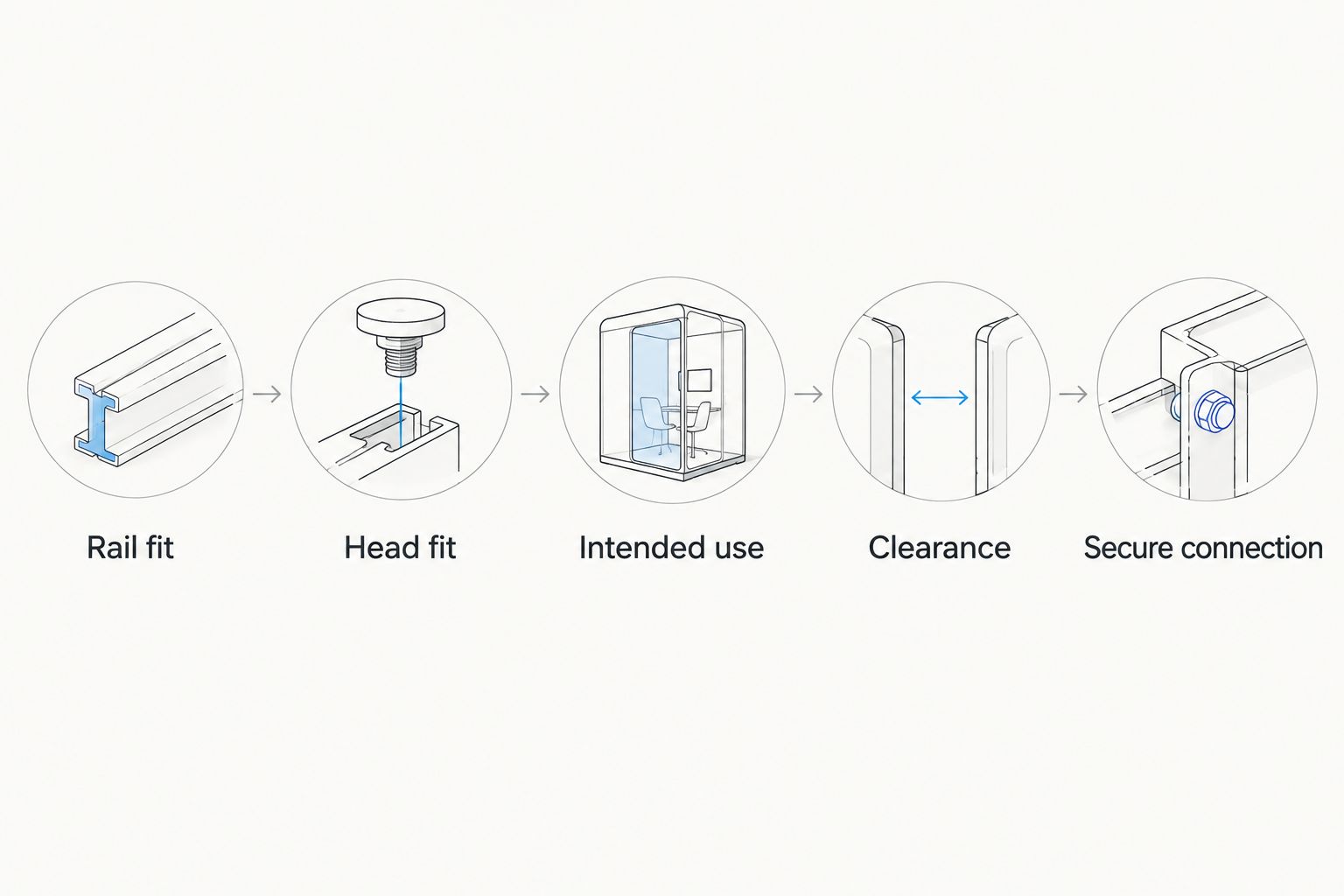
Perform physical fit checks with the firearm unloaded and handled according to its safety instructions. A shopping checklist does not replace manufacturer guidance or range rules.
Keep the distinction between interface compatibility and application suitability throughout the process. Matching threads or dovetails answers how components connect; it does not independently answer whether the complete assembly belongs in your intended use.
How the categories are ranked
The ranking prioritizes an appropriate connection to equipment you already own, followed by clamp security, clearance, and removal needs. No model-specific testing, strength comparison, or durability ranking is claimed.
The screw-clamp threaded category comes first for a compatible threaded platform. The Picatinny-to-Arca category serves existing Arca heads, while the lever-clamp category serves frequent removal. The saddle is included only as an alternative when rail mounting is unavailable.
Choose by interface first, release mechanism second. That rule prevents a convenient clamp from becoming the wrong adapter.
Which picatinny tripod adapter should you choose?
For an undecided buyer in 2026, start with the tripod head you already own. Select a screw-clamp threaded adapter for a verified threaded connection, or a Picatinny-to-Arca adapter for a verified Arca clamp.
Choose a lever-operated rail clamp only when frequent removal matters to your workflow. Consider a saddle when there is no suitable rail connection, not as an interchangeable version of a rail adapter.
Longshotcameras target cameras handle a separate part of the range setup: remote impact viewing. The company's Compact Tripod description identifies camera positioning downrange and a steady base at the bench; it does not establish that the product is a Picatinny rifle-support adapter.
Do not substitute a camera tripod description for explicit rifle-support compatibility. Keep the camera-support decision separate from the rifle-support decision.
FAQ
What's the best picatinny tripod adapter in 2026?
The best starting choice is a screw-clamp threaded adapter for a compatible threaded head, or a Picatinny-to-Arca adapter for an existing Arca head. Confirm rail fit, head fit, and intended-use approval before choosing a model.
Can a Picatinny adapter fit any tripod?
No, a Picatinny adapter does not fit every tripod. Its tripod-side connection must match the receiving head, and the complete assembly must be suitable for the intended application.
Is an Arca adapter better than a threaded adapter?
An Arca adapter is the better fit when your tripod head already uses a compatible Arca clamp. A threaded adapter is the appropriate starting point when your suitable head presents a matching threaded platform.
Is a lever clamp better than a screw clamp?
A lever clamp fits frequent attachment and removal, while a screw clamp suits a workflow that does not require lever-operated release. Correct fit and secure locking matter more than the release style.
Can I use a camera tripod to support a rifle?
A camera mounting interface alone does not establish suitability for rifle support. Check the tripod, head, and adapter manufacturers' instructions for the intended application.
Do I need a Picatinny rail to use a rifle saddle?
No, a rifle saddle supports the rifle through an appropriate exterior contact surface rather than a Picatinny connection. Verify contact placement, tightening guidance, and tripod-head compatibility.
Does a target camera replace a rifle tripod adapter?
No, a target camera provides impact viewing rather than a rifle-to-tripod connection. Longshotcameras target cameras let shooters view impacts remotely at distances up to 2 miles; rifle-support hardware serves a separate purpose.
One last thing
Before ordering in 2026, write down the rifle-side interface and the head-side interface as separate entries. Then check the proposed adapter against both. If the product documentation answers only one side, the connection is not yet verified.
An extra conversion can make components connect, but it also introduces another interface to inspect. Choose the compatible arrangement with the fewest unnecessary connections—not the one with the longest accessory list.