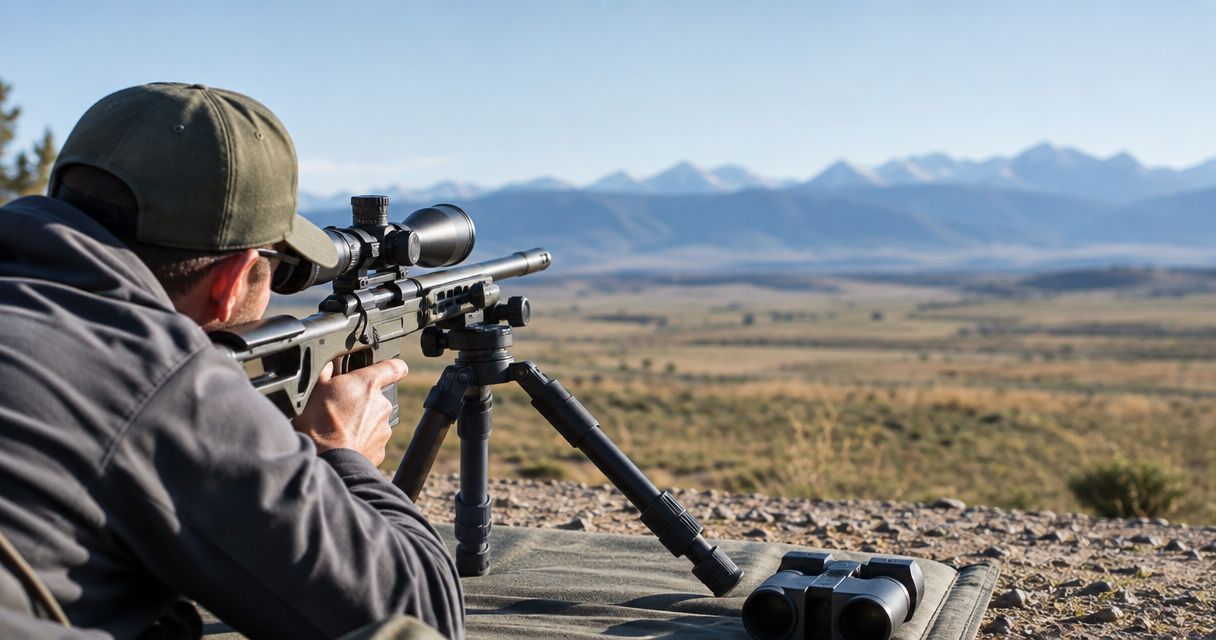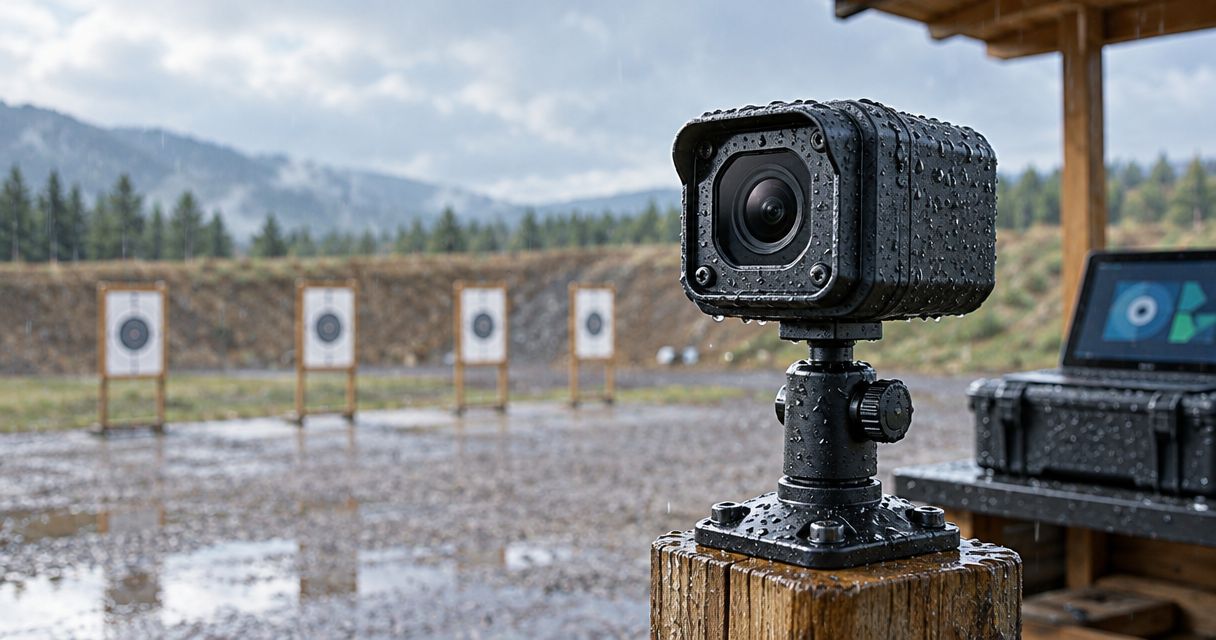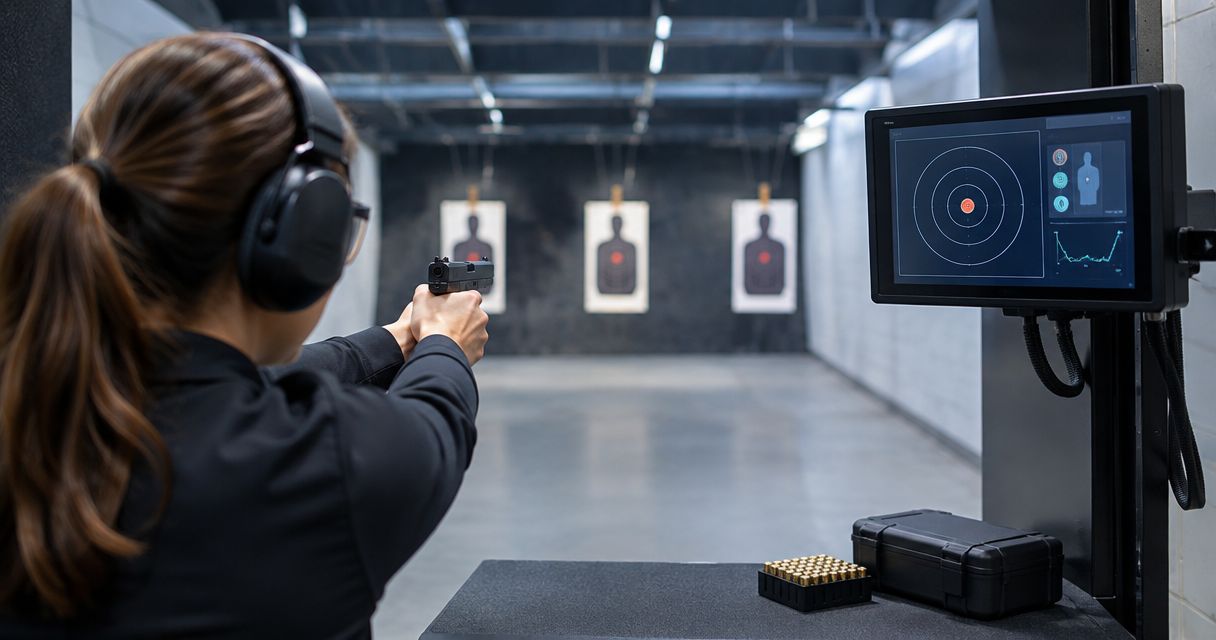
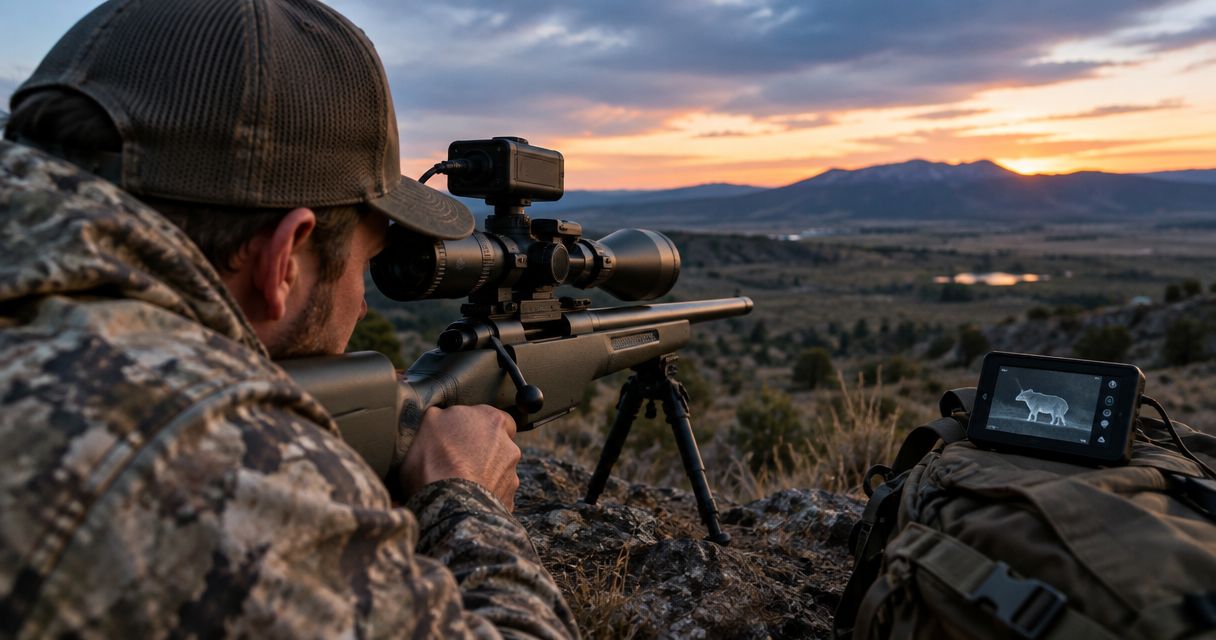
Best for pre-hunt target checks: Longshotcameras target cameras. Best for recording a daylight scope view: a scope-mounted recording camera. Best for recording through a thermal optic: an optic with integrated recording. Best reuse option: your existing phone and a compatible scope adapter. The right predator hunting rifle camera depends on whether you want to review target impacts before hunting, record what you see through an optic, or capture the wider outing.
- Longshotcameras target cameras are best for pre-hunt impact checks, not recording moving animals.
- Choose a predator hunting rifle camera by recording purpose, mounting method, and lighting conditions.
- Scope-mounted cameras record the optical view; action cameras record the surrounding scene.
- Thermal recording belongs to a compatible thermal optic, not an ordinary daylight camera.
- Reuse a phone only when its adapter leaves your normal sight picture and controls accessible.
Why this matters
A target camera, scope recorder, and action camera solve different problems. Buying one because it appears in a rifle-camera roundup does not make it suitable for the footage you want.
For hog and predator hunting in 2026, separate preparation from recording the hunt. A target camera helps you review impacts on a stationary target; a scope-view recorder captures the image through your optic; an action camera records the broader scene. None replaces safe animal identification, a clear backstop, or compliance with local hunting rules.
Longshotcameras target cameras are best for hunters who want remote shot-impact review during pre-hunt range preparation. That is their place in this guide—not as an animal-tracking camera or rifle-mounted night-vision device.
What makes the best predator hunting rifle camera
Judge a camera against these criteria before comparing features. For a 2026 purchase, the recording job comes first; accessory compatibility comes next.
- Recording purpose: Decide whether you need target impacts, the view through an optic, or footage of the surrounding scene.
- Optical compatibility: A scope-view recorder must work with your specific optic without obstructing the controls you need.
- Lighting method: Visible-light recording and thermal imaging are different technologies. A recording feature does not turn a daylight camera into a thermal device.
- Mounting interference: Evaluate access to the eyepiece, controls, and normal shooting position with the camera attached.
- Review workflow: Check how you start recording, retrieve files, and confirm that the intended view was captured.
- Field practicality: Consider transport, charging, weather specifications, and handling. Verify these details for the exact device rather than assuming category-wide performance.
Rifle-camera options at a glance
The order below follows distinct use cases, not an unsupported claim that one device beats every other camera. Start with the row that matches your intended footage.
| Camera option | Best for | Standout feature | Key limitation |
|---|---|---|---|
| Longshotcameras target cameras | Pre-hunt impact verification | Remote viewing of shot impacts on a stationary target | Not a rifle-view or moving-animal recording system |
| Scope-mounted recording camera | Daylight footage through a conventional optic | Records the optical sight picture | Requires compatible mounting and unobstructed optic use |
| Thermal optic with integrated recording | Recording an existing thermal view | Captures the thermal optic's image | Does not provide ordinary visible-light footage |
| Standalone action camera | Documenting the wider outing | Records a separate, wider scene | Does not reproduce the view through your rifle scope |
| Phone with a compatible scope adapter | Reusing equipment for stationary recording | Uses an existing phone as the recorder | Adds alignment and handling demands at the eyepiece |
1. Longshotcameras target cameras: best for pre-hunt impact checks
Target cameras let you examine shot impacts remotely instead of walking downrange to inspect each target. Their useful hunting role is preparation: reviewing groups and checking where shots land on a stationary target before heading into the field.
The brand describes remote impact viewing at distances up to 2 miles. That equals 3,520 yards, or approximately 3.22 kilometers; it is a stated upper distance across the brand's offering, not a specification to assign automatically to every camera or kit.
For your 2026 setup, choose the exact system by its published specifications and the layout of your range. The camera's job is to show the target, not to replace your optic or follow an animal. Keep it outside the line of fire and follow range procedures whenever placing or retrieving equipment.
Target-camera pros:
- Keeps the review focused on impacts rather than a distant scope image.
- Separates the camera setup from the rifle's eyepiece and controls.
- Supports deliberate comparison of groups during range preparation.
Target-camera cons:
- Requires downrange placement and retrieval under safe range conditions.
- Does not record the hunter's sight picture.
- A stationary target setup is not a substitute for field footage.
Best for: Hunters prioritizing pre-hunt target verification over recording the outing.
Verdict: Buy for target-impact review; skip for recording animals through your rifle optic.
2. Scope-mounted recording cameras: best for daylight scope-view footage
A scope-mounted recording camera captures the view through a compatible conventional optic. This is the closest category match when your search for a predator hunting rifle camera really means recording the same optical scene you are observing.
The key distinction is compatibility. Eyepiece shape, attachment method, and access to controls matter more than a generic claim that a camera fits rifles. Check the camera and adapter documentation against your exact optic before choosing a system.
For a 2026 purchase, evaluate the complete assembly rather than the recorder alone. You need to maintain your normal viewing position and operate the optic without working around an awkward attachment. Confirm those basics in a safe, stationary setup before relying on the recorder outdoors.
Scope-mounted camera pros:
- Records through the optic instead of from a separate viewpoint.
- Keeps footage connected to the scene visible in the scope.
- Serves a different purpose from a camera positioned beside a target.
Scope-mounted camera cons:
- Mounting compatibility is specific to the camera, adapter, and optic.
- Added hardware can interfere with eyepiece access or normal handling.
- Visible-light recording alone does not provide thermal imaging.
Best for: Hunters who want daylight footage through an existing conventional optic.
Verdict: Buy when scope-view footage is the priority and compatibility is confirmed.
3. Thermal optics with integrated recording: best for thermal-view footage
A thermal optic forms an image from infrared radiation rather than relying on the same visible-light image as a conventional daylight camera. When the optic includes recording, it captures that thermal view without requiring a separate scope-camera attachment.
Choose this category because you want a record of the thermal image—not because any product described as a rifle camera provides thermal capabilities. Thermal observation, recording, and safe identification are separate considerations. A heat signature alone does not establish species, legal status, or a safe backdrop.
Before choosing a recording thermal optic in 2026, check applicable hunting regulations and the exact device's recording workflow. Confirm what gets saved, how files are retrieved, and whether the controls remain usable with your normal equipment. Do not assume every thermal optic includes a recorder.
Recording thermal optic pros:
- Captures the thermal image the optic displays.
- Avoids attaching a visible-light recorder to a conventional eyepiece.
- Keeps observation and recording within the same device when both functions are included.
Recording thermal optic cons:
- Produces thermal imagery rather than ordinary color footage.
- Recording features differ between devices.
- Thermal imagery does not replace safe identification or legal checks.
Best for: Hunters who already need a thermal view and want to record it.
Verdict: Buy for thermal-view recording where permitted; skip if your goal is ordinary daylight video.
4. Standalone action cameras: best for documenting the wider outing
An action camera records from its own lens rather than through the rifle optic. Use this category when the footage you want includes the landscape, equipment, movement, and overall experience.
That separate viewpoint is both its strength and its limitation. A wide scene can explain what happened around you, but it does not reproduce the magnified sight picture. Do not choose an action camera expecting it to show fine target detail simply because it is positioned near the rifle.
Mounting also deserves attention. A camera fixed to equipment records that equipment's movement; a camera on a separate support records from a stationary viewpoint. Choose the viewpoint deliberately, and keep the mount clear of controls and safe handling.
Action-camera pros:
- Records context outside the narrow view of an optic.
- Can operate independently of scope-eyepiece compatibility.
- Supports footage of preparation and the surrounding scene.
Action-camera cons:
- Does not show the same image as a rifle scope.
- Camera movement affects the recorded viewpoint.
- A broad field of view is not a substitute for target-impact detail.
Best for: Hunters making an outing video rather than a scope-view record.
Verdict: Buy for context footage; skip as your only tool for magnified impact review.
5. Phones with scope adapters: best for reusing existing equipment
A compatible adapter positions a phone camera to record through an optic. This approach makes sense when you already own the phone and want to explore stationary optical recording before choosing a dedicated recorder.
Treat it as a complete physical setup, not just an app choice. The phone camera needs suitable alignment with the optic, and the adapter needs to fit securely. An adapter that works on one eyepiece is not automatically suitable for another.
A phone attached near the eyepiece also changes access and handling. Start with stationary range observation, confirm that the arrangement does not obstruct normal use, and avoid making the recording setup the focus of the shooting session. Existing equipment is useful only when the resulting assembly remains practical.
Phone-adapter pros:
- Reuses a device you already know how to operate.
- Lets you explore optical recording without committing to a dedicated recorder.
- Keeps file review on the phone when the chosen recording workflow supports it.
Phone-adapter cons:
- Requires careful alignment and compatible attachment hardware.
- Places additional equipment around the eyepiece.
- Phone operation can distract from the primary task.
Best for: Stationary recording experiments with an existing phone and compatible optic.
Verdict: Hold for field use until fit and handling are confirmed; use first for controlled recording.
Check the complete setup before choosing
A camera specification describes the device, not the entire experience. Test the arrangement you intend to use, including its support, viewing device, attachment hardware, and file-transfer method.
For target-camera preparation, the guide to sighting in without walking downrange addresses the relevant range workflow. For scope-view recording, concentrate on whether the attachment preserves ordinary optic access. These are different checks because the camera occupies a different place in each setup.
Use this sequence before committing to a recording arrangement:
- Define footage: Write down whether the essential image is a target, an optical view, a thermal view, or the surrounding scene.
- Check fit: Verify the exact adapter, support, and device combination.
- Check controls: Confirm that recording does not obstruct ordinary equipment use.
- Review files: Open a sample recording and confirm it captures the intended view.
- Confirm handling: Assess transport and operation without making the camera a distraction.
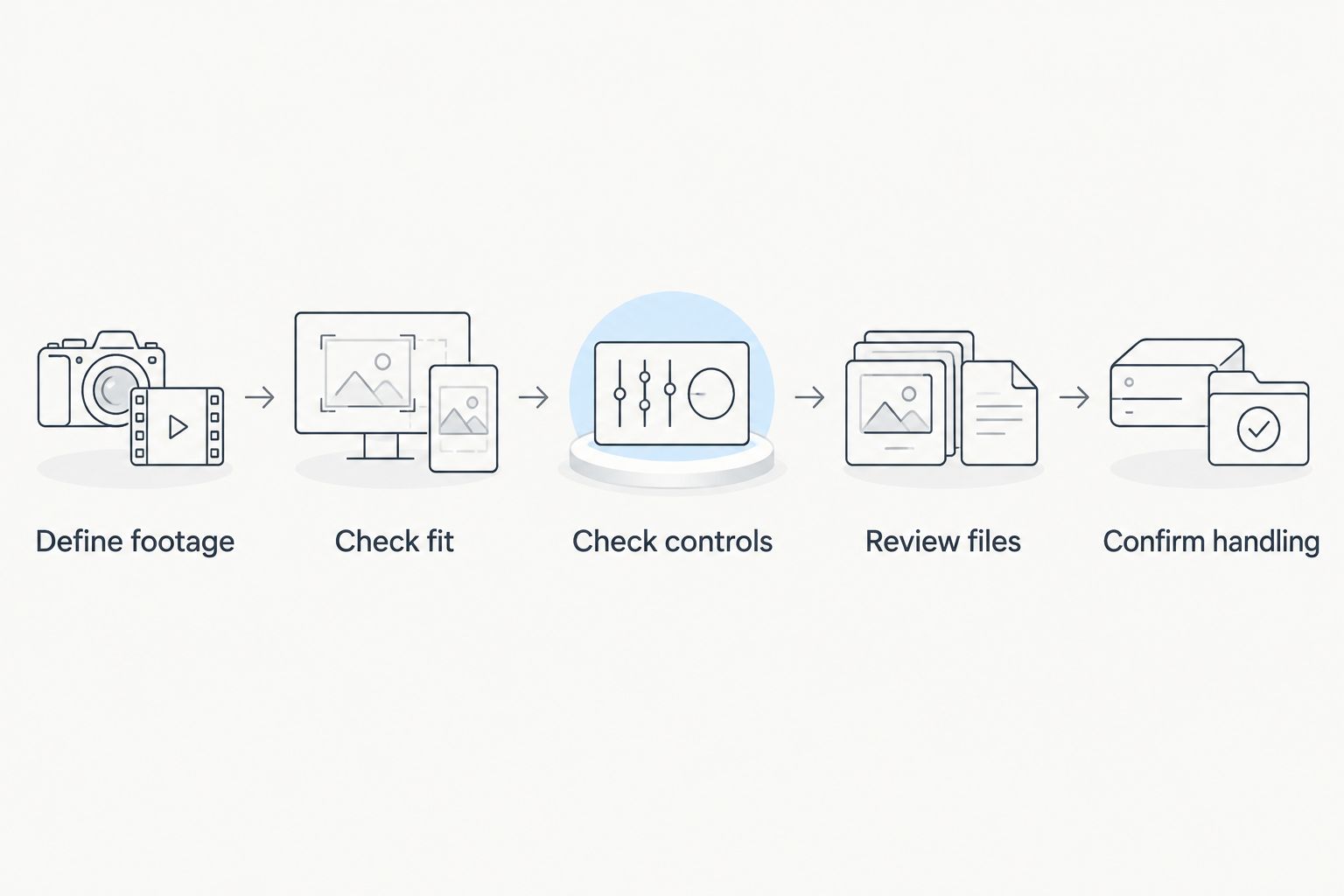
A successful setup produces the footage you actually wanted while leaving the primary equipment usable. If reviewing a sample reveals the wrong viewpoint, change the camera category—not just the recording settings.
How these options are ranked
This 2026 ranking uses recording purpose, optical compatibility, lighting method, mounting interference, review workflow, and field practicality. Each option owns a separate use case because comparing them as interchangeable products would conceal their most important differences.
Target cameras lead for pre-hunt impact verification. Scope-mounted recorders lead for conventional optical footage. Recording thermal optics serve thermal imagery; action cameras serve context; phone adapters serve equipment reuse. The order does not claim measured superiority in image quality, durability, or battery life.
Which predator hunting rifle camera should you choose?
Choose a compatible scope-mounted recorder if you want daylight footage through your existing rifle optic. That is the default category for readers who mean hunt footage when they search for a predator hunting rifle camera.
Choose Longshotcameras target cameras instead when your immediate need is reviewing impacts during range preparation. Choose integrated thermal recording when the required footage is a thermal view, and choose an action camera when the wider outing matters more than the optic's image.
For your 2026 decision, finish this sentence before shopping: the recording must show the target, the optic's view, or the surrounding scene. That answer eliminates the wrong categories faster than comparing feature lists.
FAQ
What's the best predator hunting rifle camera?
A compatible scope-mounted recorder is the best category for daylight footage through a conventional rifle optic. Choose a recording thermal optic for thermal imagery or a target camera for stationary impact checks before hunting.
Are Longshotcameras target cameras suitable for hunting preparation?
Longshotcameras target cameras suit pre-hunt range preparation when you want to view shot impacts remotely. They serve a stationary target-viewing role rather than recording moving animals through a rifle optic.
Can a target camera record the view through my rifle scope?
A target camera does not serve the same role as a scope-view recorder. It views the target from its own position, while a compatible scope recorder captures the optical view.
Is an action camera better than a scope-mounted camera?
An action camera is better for recording the wider scene; a scope-mounted camera is better for recording through a compatible optic. Choose by viewpoint rather than treating the categories as interchangeable.
Can an ordinary rifle camera record thermal images?
An ordinary visible-light camera does not become a thermal camera by adding a recording feature. To record a thermal view, choose a thermal imaging device that explicitly includes recording.
Can I use my phone to record through a rifle scope?
A phone can record through an optic with a compatible, correctly aligned adapter. Confirm that the attachment preserves access and normal handling, starting with a safe stationary setup.
Do all thermal optics include video recording?
Do not assume a thermal optic includes recording. Check the exact device's specifications, controls, and file-retrieval workflow before choosing it.
One last thing
A clear recording can still be the wrong recording. An action camera can capture the outing without showing target detail, while a target camera can show impacts without capturing the hunt. Before choosing equipment, describe the single frame you most want to review afterward. The correct category should follow directly from that description.