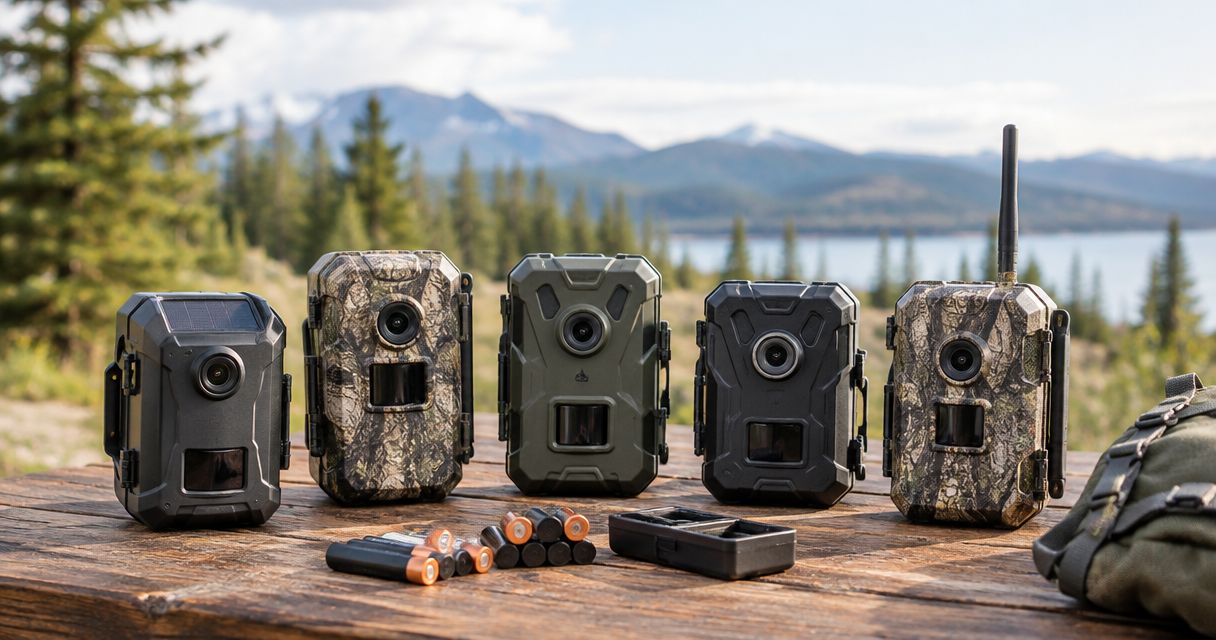
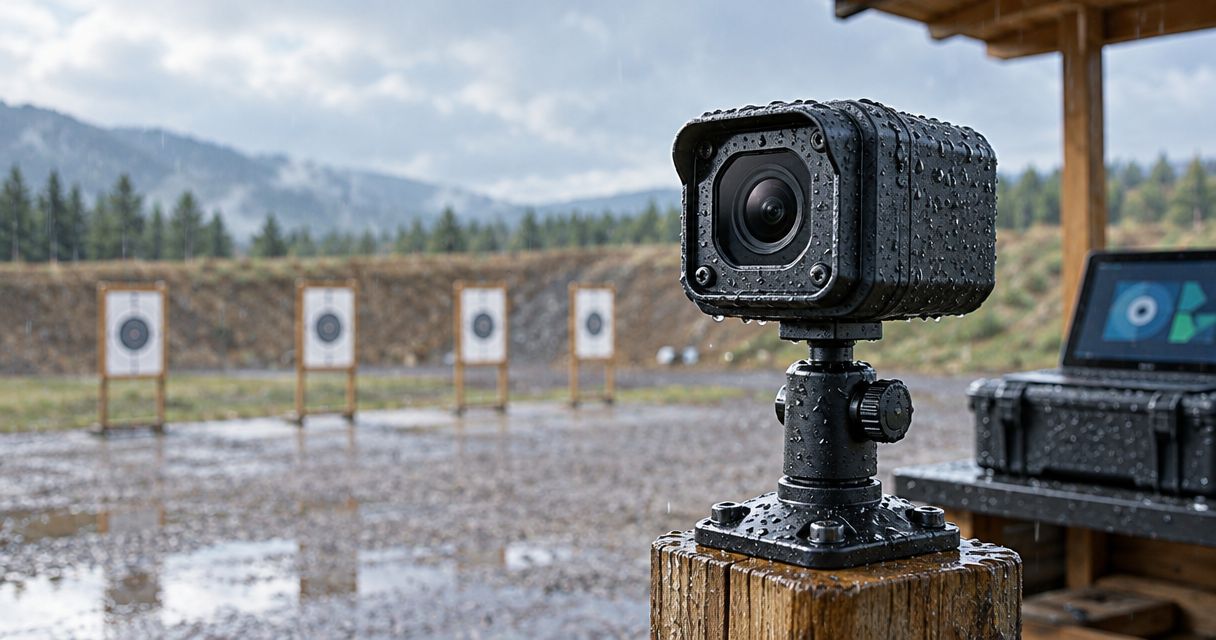
Best default setup: the Longshot LR-3 2 Camera Kit. Best for a larger camera setup: the Longshot LR-3 3 Camera Kit. Best for club scoring: the Longshot Competition Kit. For a waterproof target camera in 2026, confirm the exact system’s water-ingress rating before buying; Longshotcameras describes rugged target cameras, but rugged construction alone does not establish waterproof performance.
- A waterproof target camera needs documented water-ingress protection, not just a rugged housing.
- Longshotcameras target cameras serve shooters who want remote shot-impact viewing without walking downrange.
- The Longshot LR-3 2 Camera Kit is the default recommendation for a two-camera setup, subject to weather-rating confirmation.
- The Longshot Competition Kit is the club-scoring option; confirm outdoor operating limits before selecting it.
Why this matters
A wet range creates separate problems: water reaching electronics, droplets obscuring the lens, and unstable equipment changing the view. A camera that handles one problem does not automatically handle the others. You need a readable target image and a system operated within its documented limits.
Longshotcameras target cameras are for shooters who want remote shot-impact viewing without walking downrange. The brand describes systems reaching distances up to 2 miles, but that is a brand-level maximum, not a verified specification for every kit below. Match both distance and weather protection to the exact model.
This 2026 ranking separates deployment fit from waterproof certification. The order reflects the stated camera counts and intended uses, not a claim that these products passed rain, immersion, or comparative field testing. Treat documented weather protection as a purchase requirement, not an accessory you can assume.
What makes the best waterproof target camera?
Use these six criteria before comparing camera counts or accessories. A system belongs on an exposed range only when its operating instructions support the conditions you expect.
- Documented water protection: Look for an ingress-protection rating or explicit manufacturer instructions covering rain exposure. Identify which components the statement covers.
- Useful target visibility: The camera must show impacts clearly from its permitted position. A dry enclosure does not prevent droplets from obscuring an exposed lens.
- Complete-system protection: Check the camera, receiver, cables, connectors, and viewing device separately. One protected component does not certify the whole setup.
- Distance suitability: Confirm the exact kit’s transmission specification and setup requirements. Do not apply a brand’s longest advertised distance to every product.
- Stable placement: Choose a mounting arrangement that maintains the target view without putting equipment in the projectile path. Follow the range’s placement rules.
- Practical recovery: You need a safe plan for retrieving, drying, inspecting, and storing equipment after the session. Weather protection does not remove those responsibilities.
Read the rating, not the adjective
The IEC 60529 ingress-protection system distinguishes protection against solids from protection against water. In an IP65 rating, the first digit describes dust protection and the second describes water-jet protection. IP67 includes a temporary-immersion test, commonly expressed as 1 meter for 30 minutes under the standard’s test conditions.
Those numbers describe controlled tests, not permission to use any camera in every storm. IP67 does not automatically establish compliance with the separate water-jet tests. Likewise, a rating for a closed enclosure does not tell you what happens when a charging port is open.
For your 2026 shortlist, request the complete rating and its operating conditions. Ask whether covers must be closed, which cables are permitted during wet use, and whether the receiver carries the same protection. A specific rating beats an unexplained waterproof label.
Target-camera setups at a glance
These are deployment recommendations, not a waterproof-certified leaderboard. Camera count and intended use support the distinctions below; water protection remains a separate qualification for each option.
| Item | Best for | Standout feature stated in the product information | Key limitation |
|---|---|---|---|
| Longshot LR-3 2 Camera Kit | A two-camera setup with an included tablet | Two-camera kit bundled with a Longshot Tablet | Do not treat the camera housing or bundled tablet as waterproof without confirmation |
| Longshot LR-3 3 Camera Kit | Buyers who specifically need three cameras | Three-camera kit bundled with a Longshot Tablet | The additional camera does not establish greater weather protection |
| Longshot Competition Kit | Clubs and organizations organizing scoring | Described as a competition setup used for scoring | Its club-scoring purpose does not establish exposed-weather suitability |
No budget winner is assigned here. Choose by the number of cameras you need and the documented conditions in which the complete system can operate. Buying extra cameras does not solve an unverified weather limit.
1. Longshot LR-3 2 Camera Kit: best for a paired-camera setup
The Longshot LR-3 2 Camera Kit bundles two cameras with a Longshot Tablet. It is the default shortlist option when your plan calls for two cameras rather than a larger deployment. Confirm how the cameras connect and how you select their views before assigning them to particular targets.
The bundle also names two Bulletproof Warranties. That wording is not a water-ingress rating and does not establish water-damage coverage. Read the applicable terms separately from the camera’s operating instructions.
Longshot LR-3 2 Camera Kit pros:
- The stated two-camera configuration gives you a clear starting point for planning a paired setup.
- The included tablet makes a viewing device part of the bundle rather than a separate assumption.
- The named bundle lets you ask weather and compatibility questions about one specific configuration.
Longshot LR-3 2 Camera Kit cons:
- A two-camera bundle adds equipment to position, retrieve, inspect, and store compared with a single-camera arrangement.
- The tablet needs its own weather assessment; camera protection does not establish tablet protection.
- The bundle’s warranty wording cannot substitute for documented rain-use limits.
Best for: Shooters who have a defined need for two cameras and want a bundle that includes a tablet.
For an exposed range, qualify every part of this kit before choosing it. If the manufacturer’s instructions do not support your expected rain exposure, change the deployment conditions rather than assuming the bundle can tolerate them.
Verdict: Hold for an exposed all-weather range until the exact kit’s water protection is confirmed.
2. Longshot LR-3 3 Camera Kit: best for a three-camera plan
The Longshot LR-3 3 Camera Kit bundles three cameras with a Longshot Tablet. Choose this configuration when you can identify a purpose for the third camera. The additional unit is a deployment choice, not evidence of better image quality, greater transmission distance, or stronger waterproofing.
A larger kit requires a clearer setup plan. Identify where each camera belongs, who handles placement, and how you verify the views before the firing line becomes active. Confirm the system’s actual viewing workflow rather than assuming all feeds appear together.
Longshot LR-3 3 Camera Kit pros:
- The stated three-camera count suits a plan that explicitly requires three camera positions.
- The bundle includes a Longshot Tablet for viewing.
- The named configuration supports a specific discussion about camera connections and operating requirements.
Longshot LR-3 3 Camera Kit cons:
- A third camera adds another unit to manage during setup and recovery.
- More cameras do not improve the water protection of any individual component.
- Buyers without a defined third-camera task have no deployment-based reason to select this larger kit.
Best for: Shooters or range organizers who have already mapped a three-camera requirement.
For 2026 range planning, write down the third camera’s job before selecting the bundle. If that job is unclear, return to the smaller configuration. Equipment count should follow the session plan.
Verdict: Hold until both the third-camera requirement and wet-weather operating limits are confirmed.
3. Longshot Competition Kit: best for club scoring
The Longshot Competition Kit is described as a setup for clubs and organizations and as the setup used for scoring. That stated purpose makes it the relevant option for an organized scoring workflow. It does not establish the kit’s camera count, water rating, or compatibility with your club’s existing procedures.
Start with the club’s scoring requirements. Then ask how this exact kit supports those requirements and what environmental limits apply to every component placed outdoors. An organized event needs an equipment decision and a weather procedure.
Longshot Competition Kit pros:
- Its stated audience is clubs and organizations rather than an undefined individual use case.
- Scoring is an explicit purpose in the product description.
- The competition-focused configuration gives an organizer a relevant starting point for discussing event requirements.
Longshot Competition Kit cons:
- A club-scoring setup is not automatically the right choice for an individual practice session.
- The stated purpose does not establish waterproof performance.
- Organizers still need to confirm kit contents and operating procedures before building an event around it.
Best for: Clubs and organizations evaluating a target-camera setup for scoring.
Longshotcameras identifies this kit with organized scoring, so qualify it against the event workflow rather than treating it as another personal camera bundle. Weather suitability remains a separate decision.
Verdict: Hold until the scoring workflow, kit contents, and outdoor operating limits match the event.
Compare the exact bundles
Use these product cards to identify the configurations discussed above. The product names identify bundles; they do not certify rain resistance or extend the meaning of the warranties named in those bundles.


Qualify a camera for your wet-weather range
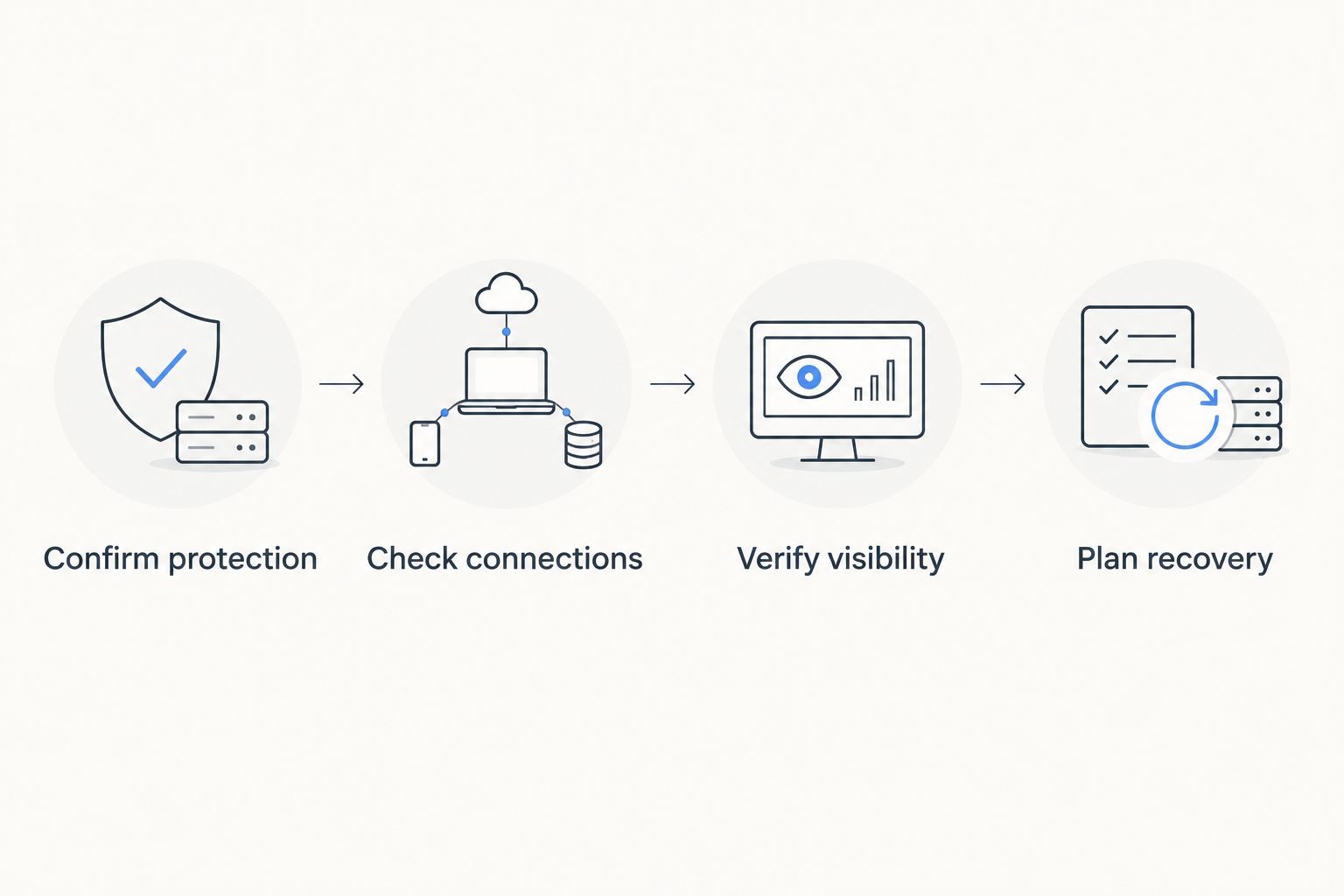
Use this sequence for any waterproof target camera you consider in 2026. Complete the equipment checks before taking it downrange, and follow the range officer’s instructions for placement and retrieval.
Confirm protection
Obtain the exact model’s water rating or rain-use instructions. Check whether the documentation applies to the camera alone or the complete system. Keep the relevant instructions with your range equipment so setup does not depend on memory.
Check connections
Identify ports, covers, cable entries, and external power connections. Confirm the required configuration for wet operation. Do not leave a port open or improvise a connection that defeats the enclosure’s documented protection.
Verify visibility
During an authorized setup period, confirm the target view from the firing-line position. Check framing and the required connection before shooting starts. A successful dry-weather connection is useful, but it is not a waterproof test.
Plan recovery
Decide who retrieves the equipment when the range is safe. Follow the manufacturer’s cleaning and drying instructions before charging or storage. Do not open equipment, connect power, or use heat to dry it unless the instructions permit that action.
How these setups are ranked
The ranking follows the stated deployment differences: a two-camera bundle first, a three-camera bundle for a larger requirement, and a competition kit for club scoring. It does not rank image quality, battery endurance, connection reliability, or rain survival.
The criteria above are the qualification checklist. Deployment fit determines which kit to investigate; documented weather protection determines whether it belongs on an exposed range. Keeping those decisions separate prevents a larger bundle from appearing more weather-capable simply because it contains more equipment.
Which waterproof target camera should you choose?
For a two-camera requirement, start with the Longshot LR-3 2 Camera Kit. Choose the Longshot LR-3 3 Camera Kit only when the third camera has a defined job. For organized scoring, investigate the Longshot Competition Kit against the club’s procedures.
For an exposed all-weather range in 2026, none of those recommendations replaces a verified water-protection specification. Buy the configuration that fits your session only after its documented environmental limits fit your range. If those limits do not support the conditions, choose a covered deployment or stop the session according to range procedures.
FAQ
What’s the best waterproof target camera for an outdoor range?
The best waterproof target camera is one with documented water protection that matches your range conditions. The Longshot LR-3 2 Camera Kit is the default deployment shortlist for a two-camera requirement, but confirm its exact environmental limits before exposed use.
Does rugged mean a target camera is waterproof?
No, rugged does not establish waterproof performance. Look for an ingress-protection rating or explicit rain-use instructions for the exact camera and its required operating configuration.
Is IP67 better than IP65 for a target camera?
IP67 and IP65 address different water tests, so IP67 is not automatically better for every exposure. IP65 covers water jets, while IP67 covers temporary immersion; check which tests and operating conditions the manufacturer documents.
Can I use a target camera while its charging port is open?
Use a target camera with an open charging port in wet conditions only when the manufacturer explicitly permits that configuration. A closed-enclosure rating does not establish protection for an exposed port or cable connection.
Is the Longshot LR-3 3 Camera Kit better than the two-camera kit?
The Longshot LR-3 3 Camera Kit is the better deployment fit when you need three cameras. Its additional camera does not establish better waterproofing, image quality, or transmission distance.
Which target-camera option should a shooting club investigate?
A shooting club should investigate the Longshot Competition Kit when evaluating an organized scoring setup. Confirm the kit contents, scoring workflow, and outdoor operating limits before selecting it for an event.
Does a Bulletproof Warranty prove a target camera is waterproof?
No, a Bulletproof Warranty name does not establish waterproof performance or water-damage coverage. Read the applicable warranty terms and the camera’s environmental operating instructions separately.
One last thing
A camera can keep water out and still lose a useful view because droplets cover the lens. That is why water protection and target visibility are separate checklist items. Before committing to an all-weather deployment, ask how the manufacturer instructs you to maintain a readable image without exposing ports or retrieving equipment during live fire.