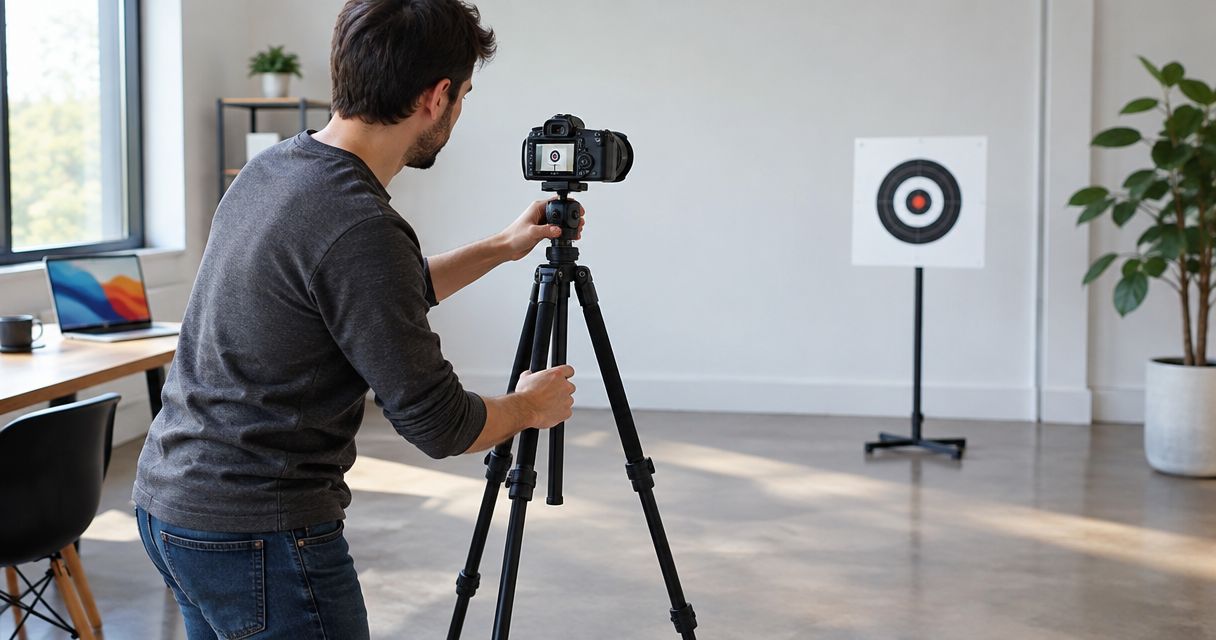
A target camera tripod should be only as tall as needed to show the entire target, clear nearby obstructions, and hold the camera steady. Choose height from the camera’s view and the ground conditions—not your standing height or the distance to the firing line.
- How tall should a tripod be for a target camera? Use the lowest stable height with an unobstructed target view.
- Longshotcameras target camera users should choose tripod height from framing and footing, not shooting distance.
- Raise the camera to clear grass or target supports; reposition it when added height creates instability.
- Check camera mounting compatibility separately from tripod height before buying.
Why this matters
A downrange camera does not need to sit at eye level. You watch its image from your shooting position, so the useful height is the one that gives the lens a clear, stable view of the target.
Too low, and grass or the target stand blocks part of the picture. Too high, and you introduce unnecessary extension without improving the view. The practical choice for a 2026 setup is to solve the obstruction first, then stop raising the camera.
Before choosing a larger support, compare the placement trade-offs in the guide to tall tripods for long-range camera setups. Extra reach matters only when your location actually requires it.
How tall should a tripod be for a target camera?
Use the lowest stable tripod position that keeps the full target visible. Check the image with the camera mounted, because the lens sits above the tripod’s mounting platform and its viewing angle changes with placement.
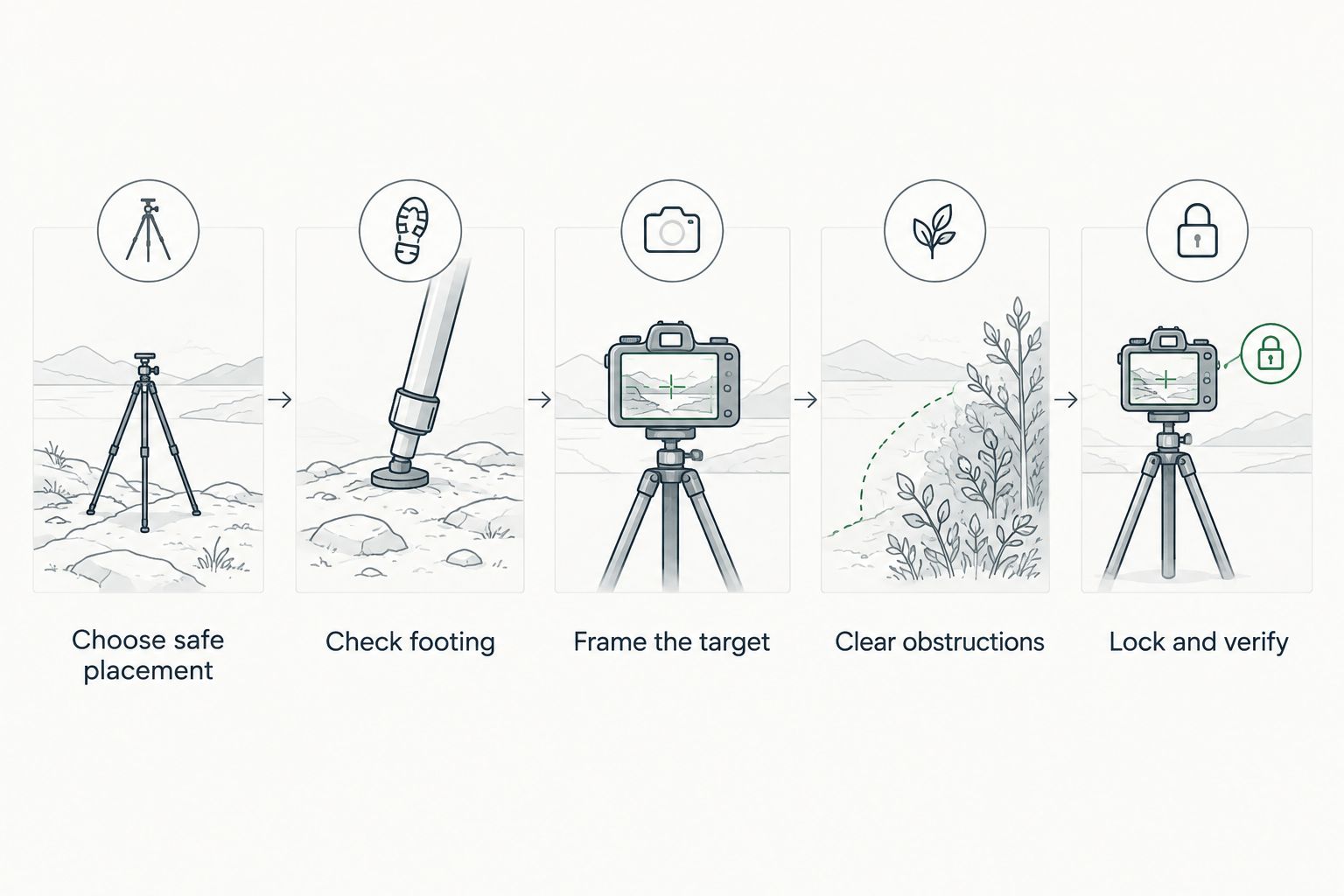
Follow this sequence during an authorized ceasefire, under the range’s procedures. Never enter the range or adjust downrange equipment while firing is permitted.
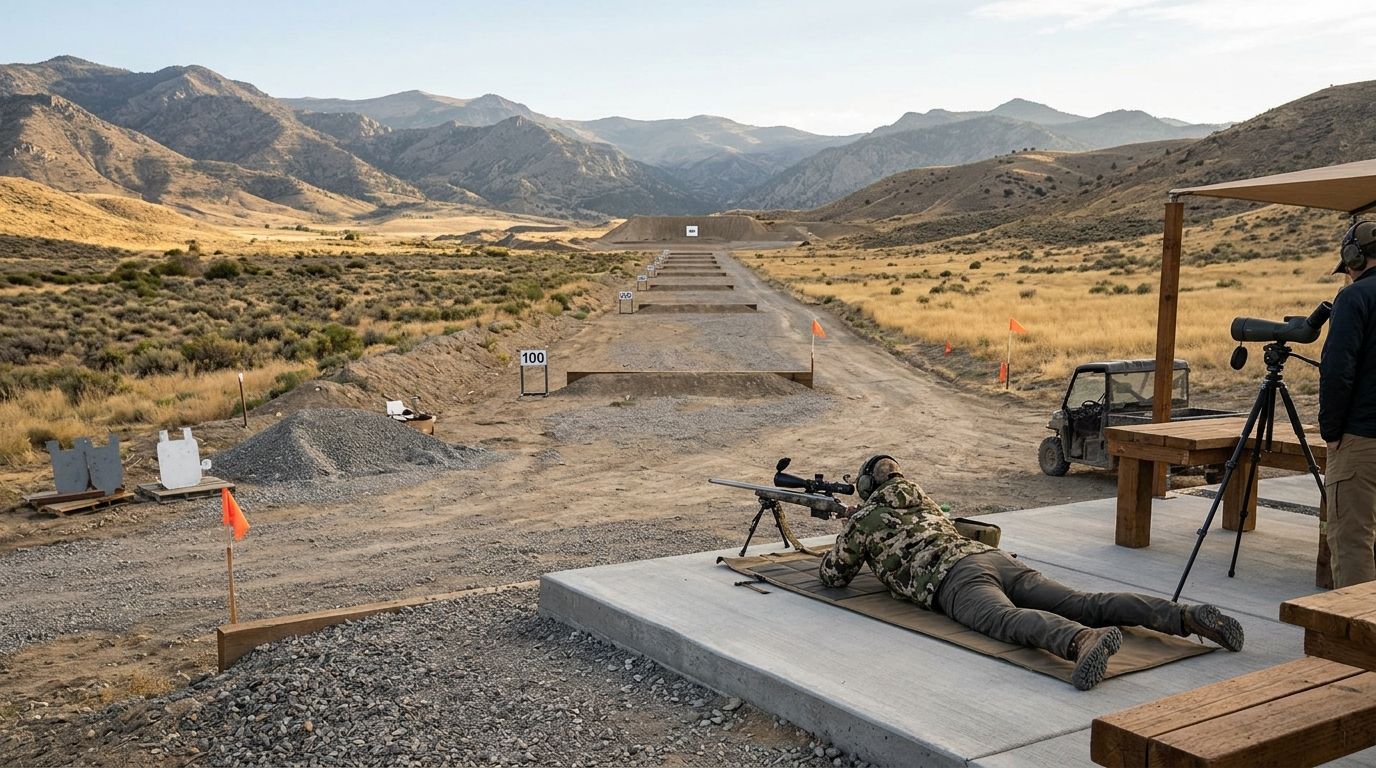
- Choose safe placement. Follow the range’s instructions for camera location, target access, and equipment placement. Height does not make an otherwise unsuitable location acceptable.
- Check footing. Set the feet on firm ground and confirm that the tripod does not rock. Adjust the legs to suit the surface rather than extending everything equally by default.
- Frame the target. Mount the camera securely and inspect the live image. Include the target area you intend to observe, not just its center.
- Clear obstructions. Raise or reposition the camera if grass, stand hardware, or another object hides part of the target. Inspect the edges as well as the middle.
- Lock and verify. Secure the leg and head adjustments, then confirm the framing again. Check the view from your normal viewing device before the range resumes firing.
The result is a usable mounting height, not a universal measurement. Two locations on the same range can require different heights because the ground, vegetation, and target supports differ.
Low placement: best for clear ground
Low placement is the starting point when nothing blocks the lens. It avoids raising the camera simply to match the target’s center or the shooter’s eye level.
The advantage is straightforward: you use less extension and keep the setup compact. The limitation is equally important: short vegetation, uneven ground, or a target support can interrupt a low viewing angle.
Check the whole image. A visible bullseye does not prove that the lower corners or other aiming areas are visible. If a small change in location clears the obstruction, repositioning can solve the problem without requiring a taller tripod.
Best for: a clear target view from firm, unobstructed ground. Keep the low position when it passes the framing and stability checks.
Raised placement: best for clearing obstructions
Raise the tripod when the camera needs to see over an obstruction that cannot be avoided through permitted repositioning. Stop once the full target is visible; more height is not automatically more useful.
Added height changes the setup’s demands. You must still check the footing, mounting security, and image stability, especially when the ground is uneven or wind is moving the equipment.
A useful buying check in 2026 is whether the tripod works at your required operating height—not merely whether it reaches a large maximum height. A support that reaches the right position but rocks there does not solve your problem.
Best for: locations where grass, target hardware, or terrain prevents a clear low view. Use the additional reach only when the image needs it.
Why target camera tripod height varies
The correct height comes from your placement conditions. These factors explain why a fixed recommendation in inches would miss the actual decision:
- Target framing. The lens must show the area you want to inspect. Target size, camera position, and camera angle affect what fits in the picture.
- Obstructions. Vegetation and target supports can block a low camera. Raise the lens or choose another permitted location rather than accepting a partly hidden target.
- Ground conditions. Firm, level ground and a sloping or irregular surface require different leg adjustments. The camera’s height above the local ground is only part of the setup.
- Stability. Wind, loose adjustments, and uncertain footing can move the image. Height is useful only while the support remains steady.
- Mounting compatibility. A tripod must attach securely to the camera. An appropriate height does not establish that the mounting interface fits.
- Range rules. Equipment placement must follow the range’s instructions. A convenient camera angle never overrides restrictions on downrange access or placement.
Treat these as separate checks. For example, raising a camera can clear grass but leave a loose mounting connection unchanged. Solve the specific problem instead of using extra height as a general remedy.
Which tripod type fits the placement?
Start with the required view, then choose the support. The options below address different placement needs; they are not a ranking of maximum height.
| Option | Best for | Supported benefit | Limitation or check |
|---|---|---|---|
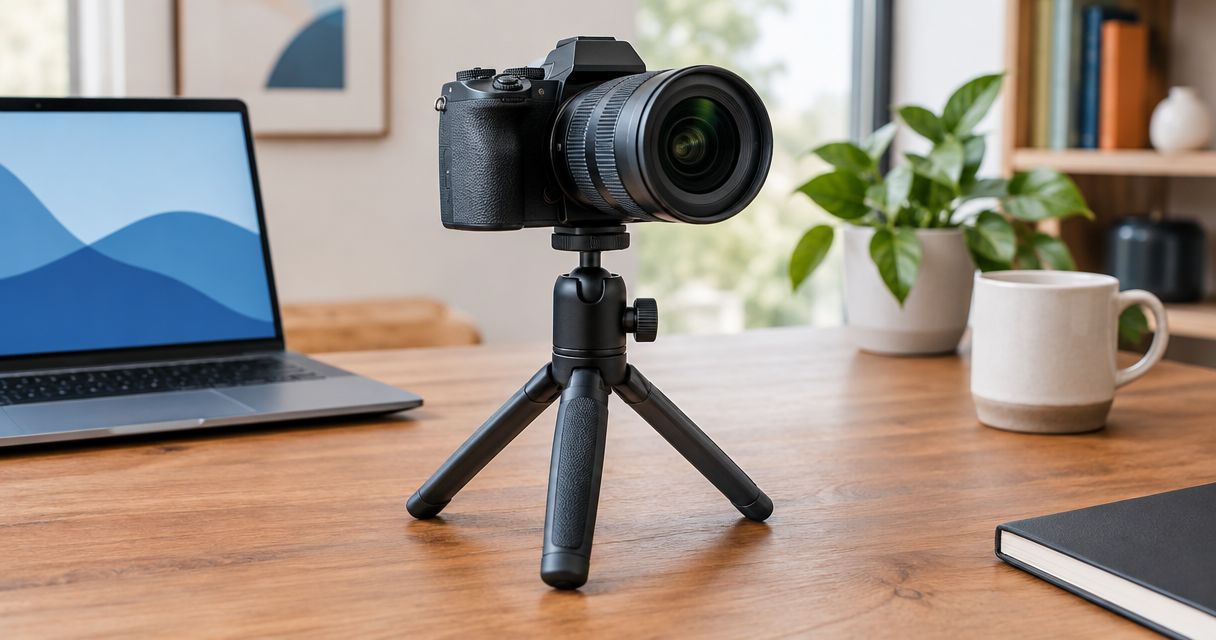
| Mini Tripod | Compact target-camera placement | Described as lightweight and compact, with support for keeping a camera steady | Confirm that its working position clears your actual obstructions |
| Compact Tripod | Downrange camera or bench placement | Described for use downrange or as a steady base at the bench | Verify mounting fit and usable height for your equipment |
| Longshot Large Tripod | Setups needing adjustable positioning | Includes adjustable tilt and pan controls, a ball head, quick release, and locking lever | Do not select it solely because it is the larger option |
For the Longshot Large Tripod, the listed fit includes Marksman, LR3, EC-3, Ranger, Ranger+, and receivers. That is a compatibility statement, not a reason to extend the tripod fully.
The Mini Tripod’s stated strengths are its compact size and light weight. Those are useful for carrying and low placement, but they do not establish that it will see over vegetation at your range.
Longshotcameras target camera tripods are best for shooters who match the support to their camera and actual placement needs. Browse Longshotcameras with those requirements established rather than choosing by size alone.
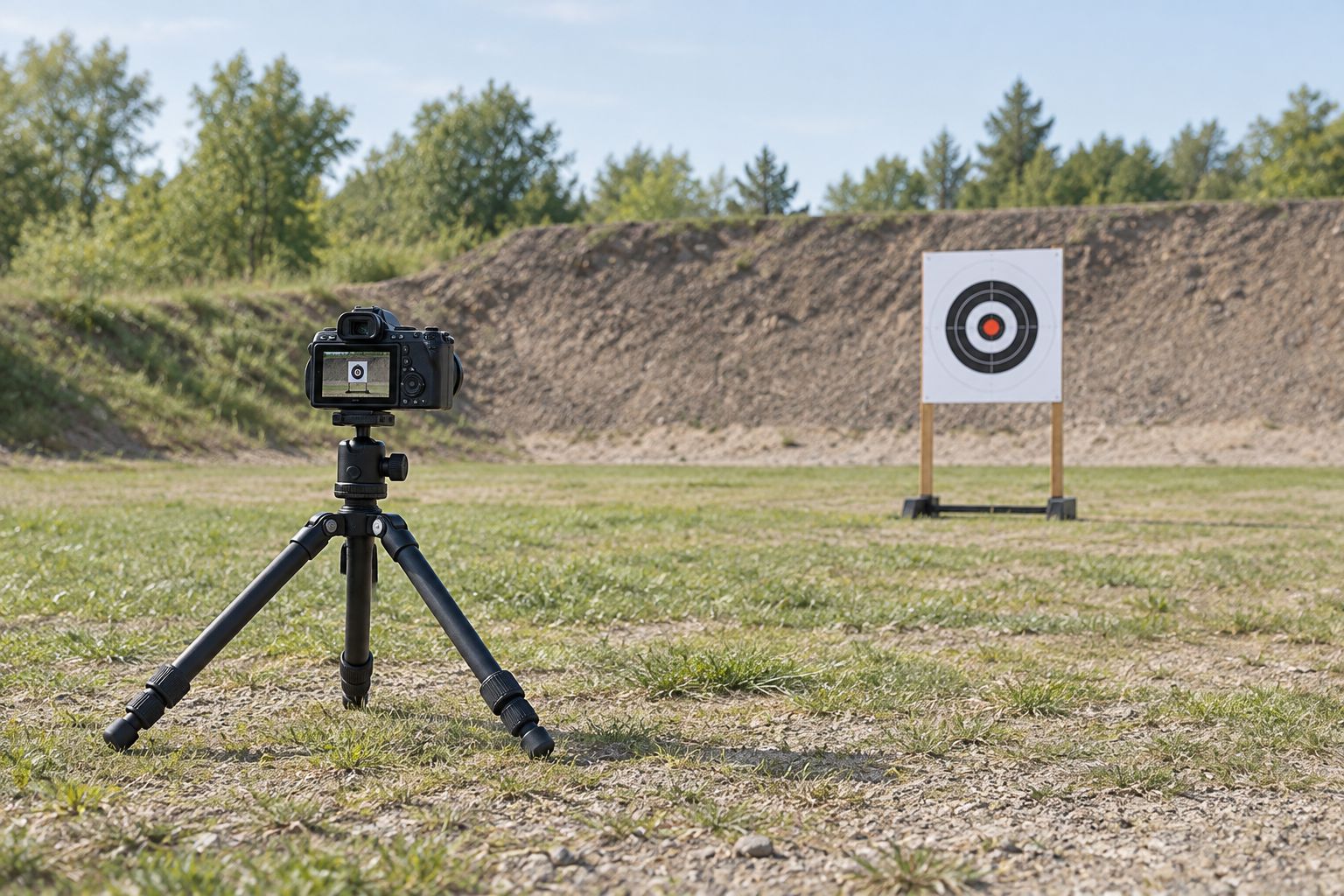
Before buying in 2026, separate confirmed features from measurements you still need to check. The product descriptions identify intended uses and selected compatibility details; choose between these supports only after confirming the working height your location requires.


Does a longer-range camera need a taller tripod?
A longer-range camera does not automatically need a taller tripod. Shooting distance and camera mounting height describe different parts of the setup.
The Ranger is described for 100 yards, the Ranger+ for 1,000 yards, and the LR-3 for 2 miles. None of those distance figures specifies the tripod height you need above the ground.
| Camera | Listed range | What determines tripod height |
|---|---|---|
| Ranger - 100 Yard | 100 yards | Target visibility, footing, and permitted placement |
| Ranger+ - 1000 Yard | 1,000 yards | Target visibility, footing, and permitted placement |
| LR-3 - 2 Mile | 2 miles | Target visibility, footing, and permitted placement |
Do not turn those range figures into a height formula. A camera near a target still needs a clear view of that target, while communication performance is a separate check.
For your 2026 range setup, verify both the image and the connection before firing resumes. Raising the tripod is not proof that a connection problem has been fixed, just as a connected camera is not proof that the target is fully visible.
Should the camera lens be level with the target center?
The camera lens does not have to be level with the target center. It needs an unobstructed view that includes the target areas you intend to inspect.
Center-height placement is not a substitute for checking the image. Tilt and pan adjustments can change framing, but they cannot make the camera see through a physical obstruction. Inspect the actual view before deciding that additional tripod height is necessary.
What if a low tripod cannot show the entire target?
Reposition the camera within the range’s permitted area, then reassess the view. If an obstruction remains, raise the camera enough to clear it and repeat the stability check.
Do not accept a cropped target just because the center looks sharp. Your setup should show every area you need to monitor without relying on a later downrange adjustment during an active firing period.
FAQ
How tall should a tripod be for a target camera?
A target camera tripod should be tall enough to show the full target without obstructions while remaining stable. Use the lowest position that passes those checks rather than choosing a universal height.
Should my target camera tripod be at eye level?
A downrange target camera tripod does not need to be at your eye level. Set its height for the lens’s view of the target, since you watch the image remotely.
Is a mini tripod better than a tall tripod for a target camera?
A mini tripod is the better fit when it provides a clear, stable view from your permitted camera location. A taller support is useful when low placement leaves vegetation, target hardware, or terrain in the way.
Does a 1,000-yard target camera need a taller tripod?
A 1,000-yard target camera does not automatically need a taller tripod. Camera range does not specify mounting height; the target view, ground, and placement restrictions determine it.
Which cameras fit the Longshot Large Tripod?
The Longshot Large Tripod description lists Marksman, LR3, EC-3, Ranger, Ranger+, and receivers. Confirm your exact equipment and mounting requirements before choosing a support.
Can I raise the tripod to fix a blocked target image?
Raising the tripod can clear an obstruction, but repositioning within the permitted area is another option. After either change, verify the full target view and secure the tripod adjustments.
What should I check before buying a target camera tripod in 2026?
Before buying a target camera tripod in 2026, confirm mounting compatibility, usable working height, and stability at that height. Longshotcameras customers should match those requirements to their camera and range placement rather than choosing by maximum extension alone.
One last thing
The measurement to remember is not necessarily the tripod’s maximum height. Record the working position that gives your camera a clear, steady view at your usual range.
Note the location, leg arrangement, and camera angle alongside that measurement. When the grass, target stand, or ground conditions change, repeat the checks instead of treating the old height as a permanent setting.