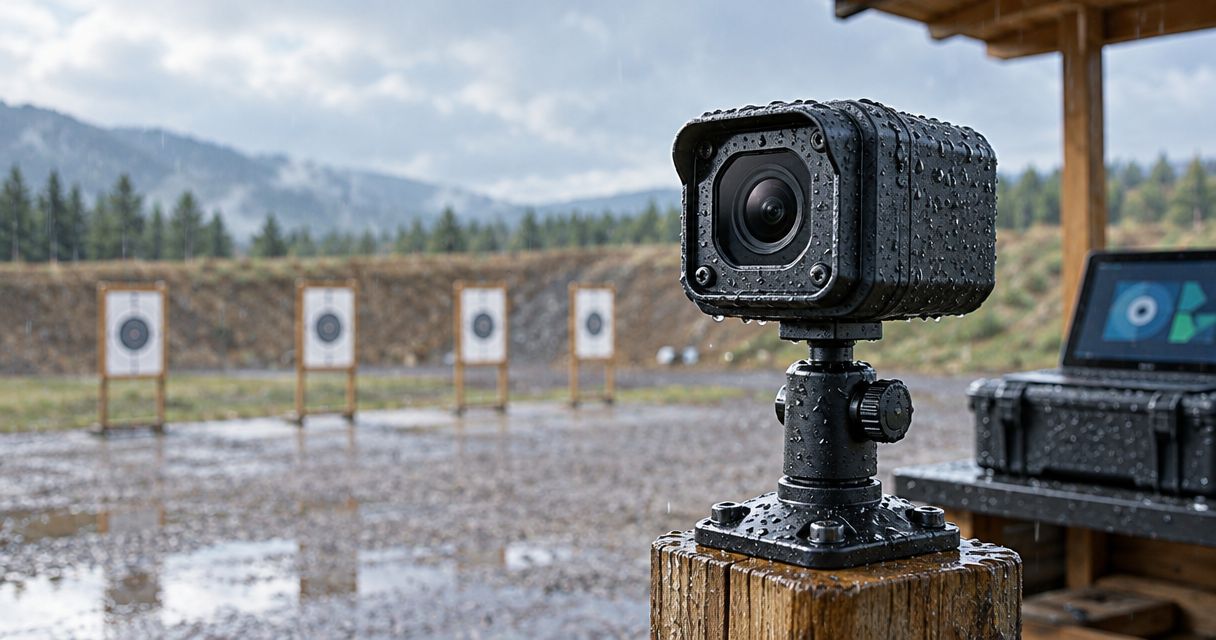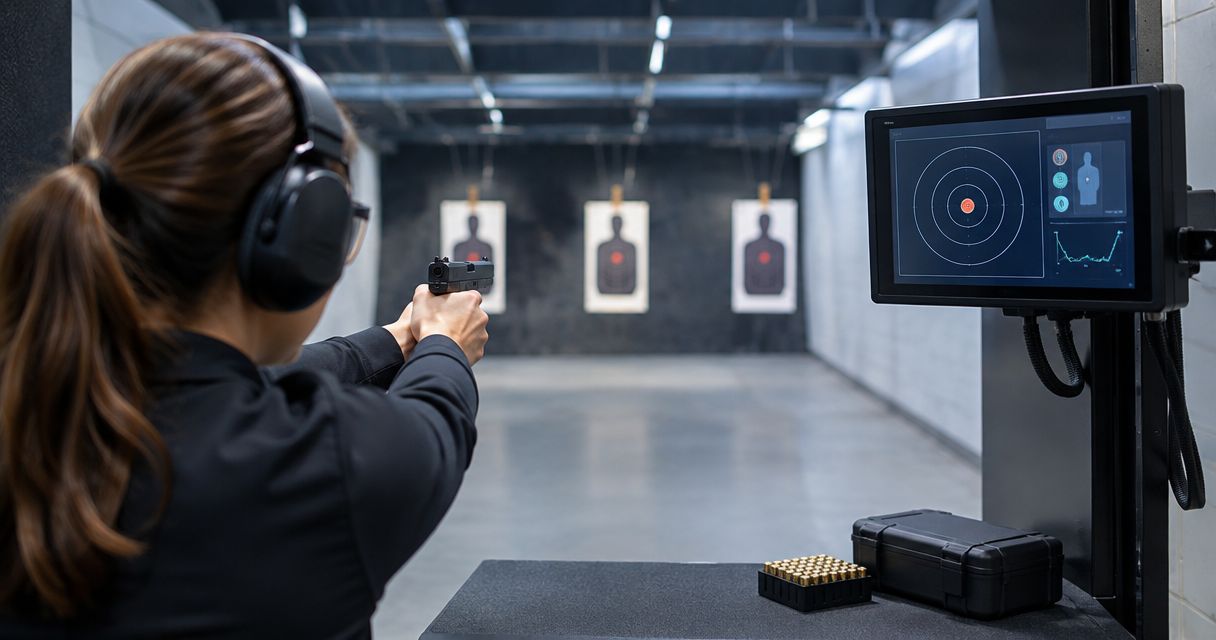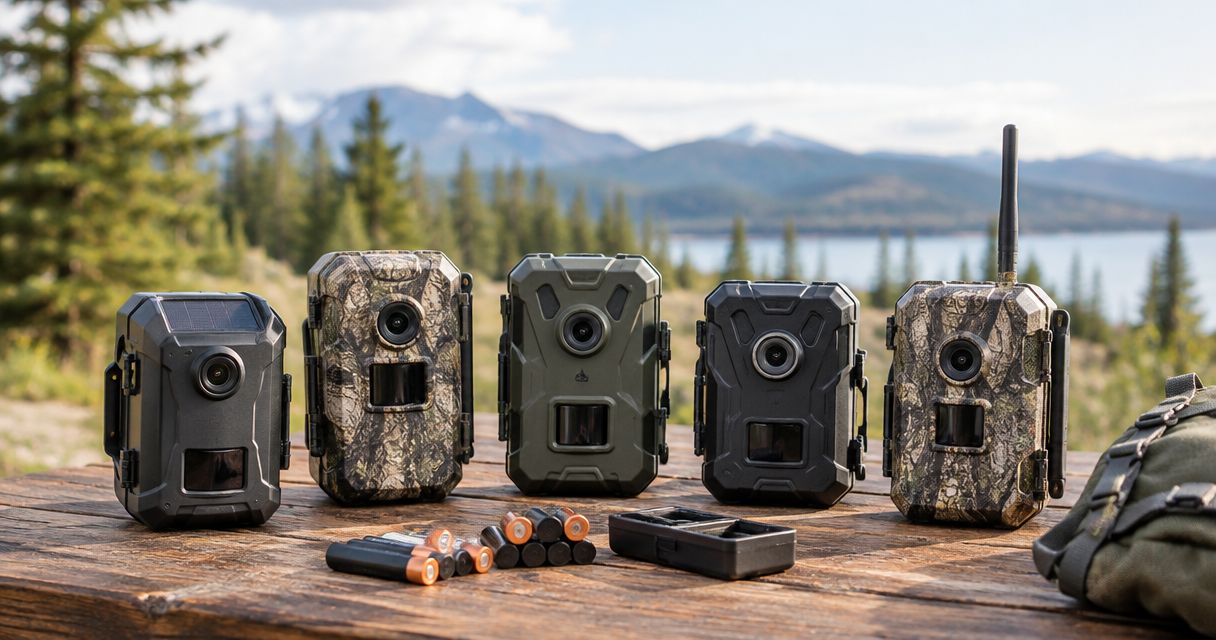
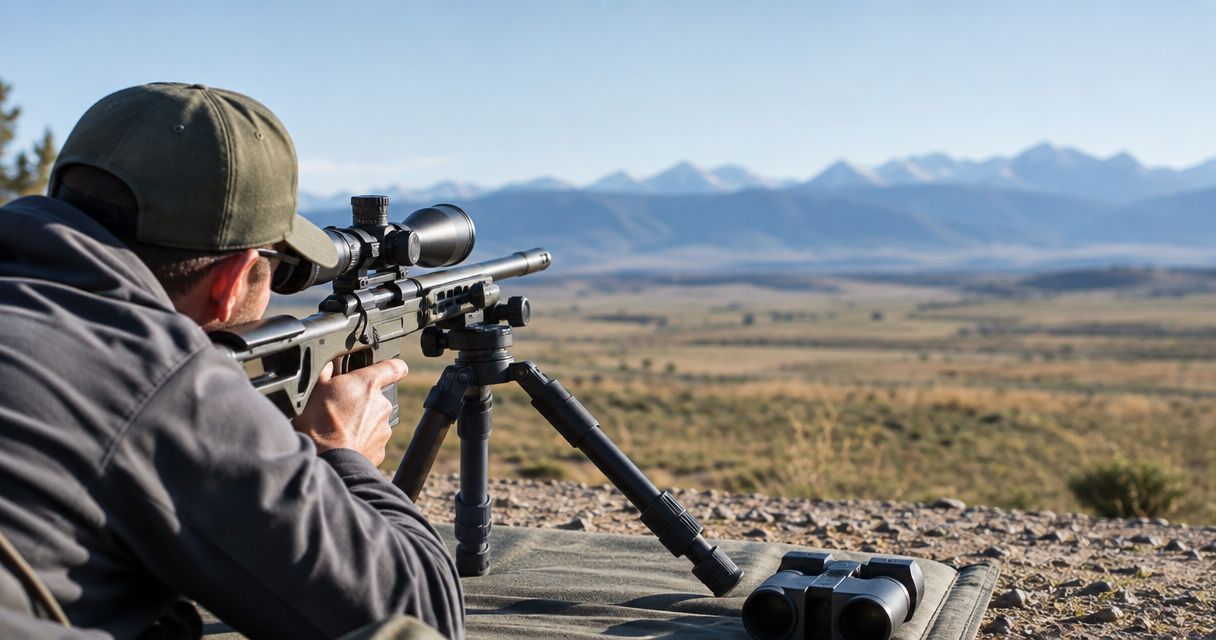
Benchrest shooters’ tripod setup is an equipment-support arrangement designed to stabilize a rifle, spotting optic, or target camera so you can shoot and observe consistently. The best tripod for benchrest shooting matches its specific job: supporting your observation equipment is not the same task as supporting your competition rifle.
- Choose a tripod for benchrest shooting by its job: rifle support, spotting scope support, or target camera placement.
- Longshotcameras is best for precision shooters seeking remote target-camera viewing of shot impacts.
- Keep observation equipment separate from the rifle rest when practical, and confirm competition rules before changing rifle support.
- Choose Compact Tripod for bench or downrange camera support; verify mounting compatibility before buying.
Why tripod selection matters for benchrest shooters
A benchrest station brings several jobs into a small working area. Your rifle needs repeatable support, your observation equipment needs a clear view, and your controls must remain reachable without disturbing either arrangement. One tall tripod does not automatically solve all three.
For your 2026 competition setup, start with the match rules and the equipment you actually use. A tripod that holds a spotting scope beside the bench serves a different purpose from a rest beneath the rifle. Treating them as interchangeable creates avoidable mounting and positioning problems.
Longshotcameras sells target cameras and accessories for viewing shot impacts remotely at distances up to 2 miles. That capability addresses observation, not rifle support. It also does not authorize downrange access: range commands still govern every installation and retrieval.
Choose the support around the task, not around the word “shooting” on the packaging. The sections below explain how to separate those tasks, evaluate the mounting system, and rehearse the complete station before match day.
Build your benchrest tripod setup
Identify what the tripod must support
Begin with a written equipment list. Put the rifle, front support, rear support, spotting optic, target camera, and viewing device on separate lines. Mark which items already have suitable supports before adding another tripod.
For rifle support, read the applicable competition rules first. Confirm the permitted arrangement with the organizer if the wording leaves your intended setup unclear. A tripod advertised for general shooting does not establish that it belongs in your benchrest class.
For observation equipment, record the mounting interface and the position you need. A scope must suit your seated viewing position; a camera must suit the target view and permitted placement. Neither requirement tells you what the other device needs.
Use 3 setup checks as your initial filter: permitted use, secure attachment, and unobstructed placement. These are practical checks, not a substitute for the equipment manufacturer’s instructions.
- Name the equipment the tripod will carry.
- Separate rifle support from observation support.
- Read your competition’s equipment rules.
- Record the device’s mounting interface.
- Keep an existing support if it already performs the job.
Match the footprint and height to your station
Before shopping, rehearse the placement with your existing equipment. Sit at the bench, establish your shooting position, and locate the space available beside your front and rear supports. Check where your elbows, ammunition, and controls need to go.
A bench-mounted support uses tabletop space. A floor-standing support uses space around your chair and bench. A downrange camera support uses permitted ground near the target. Evaluate each location separately rather than assuming the smallest packed tripod will fit every working position.
For a 2026 equipment refresh, prioritize usable placement over maximum advertised height. You need the device where you can use it, with its legs fully supported and its adjustment controls accessible. Extra height provides no benefit when the equipment belongs close to the bench or ground.
The guide to tripods for shooting provides a broader starting point; narrow your shortlist to the benchrest task before comparing individual supports.
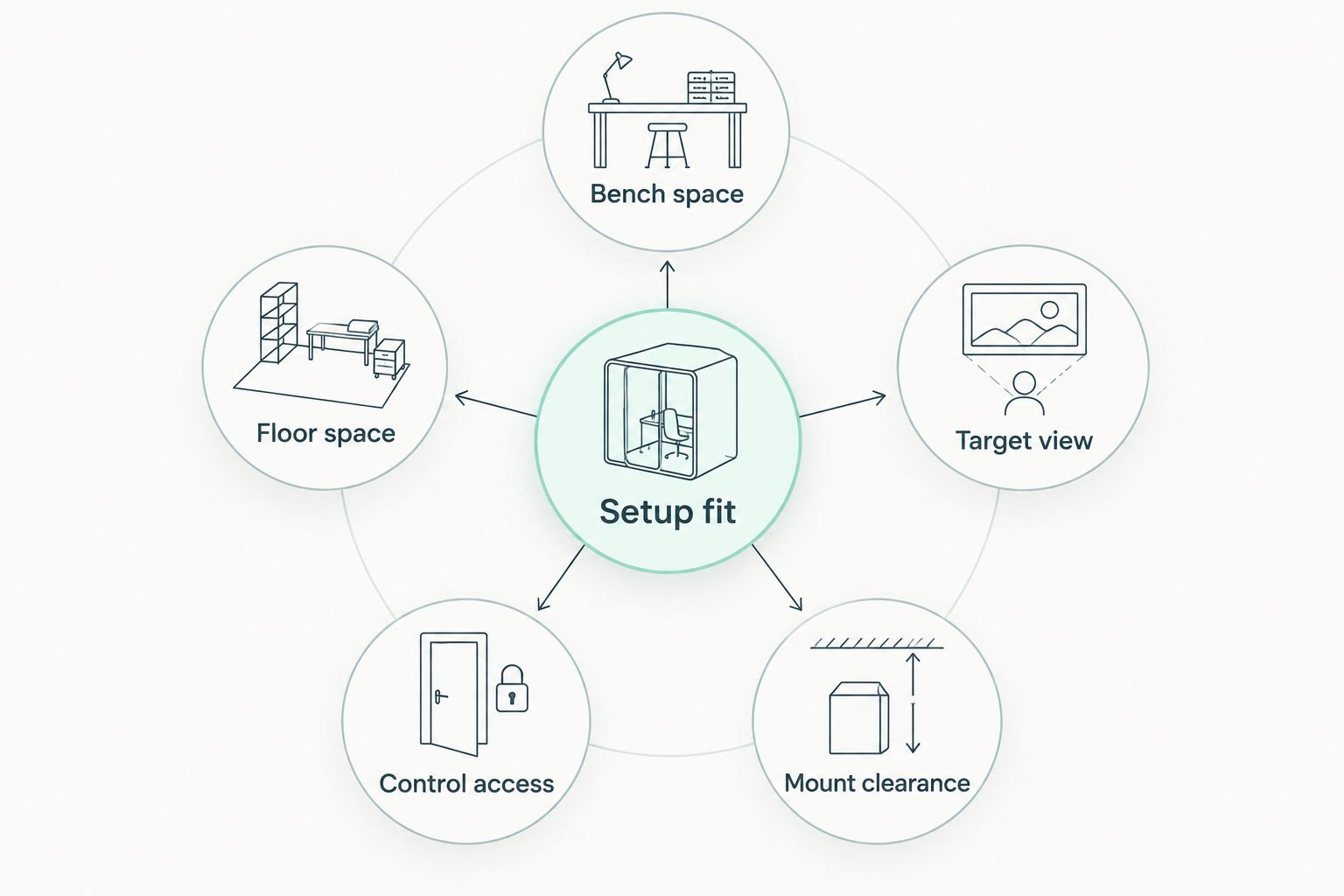
- Bench space: preserve room for the rifle supports and your elbows.
- Floor space: keep legs out of walking routes.
- Target view: confirm the camera can frame the intended target.
- Control access: reach adjustments without shifting your shooting position.
- Mount clearance: leave room to attach and remove the device.
Verify the complete mounting connection
Inspect the mounting connection manually before relying on a product label. Check the device attachment, any intermediate plate or adapter, and the tripod head as one complete assembly. A secure leg set does not correct a loose connection above it.
Read the specifications for every component you intend to combine. Match the attachment type, permitted load, and operating instructions; do not infer compatibility from appearance. If the equipment includes an adapter, confirm how that adapter locks and how you inspect it after installation.
Compact Tripod is described for placing a Longshot camera downrange or providing a base at the bench. That makes it relevant to camera-support planning, but the description does not establish compatibility with every optic or rifle mounting system.
Longshotcameras target cameras are best for precision shooters who want to view shot impacts remotely. Keep that observation role distinct from any claim about rifle-rest suitability.
- Check the device’s attachment specification.
- Check the head and plate specifications.
- Confirm the assembled load is within documented limits.
- Inspect locks and fasteners according to their instructions.
- Test adjustment access with the actual device mounted.
Separate the camera position from the viewing position
First, test whether your existing viewing-device support keeps the display readable without interfering with the rifle. A manual inspection of the target remains an alternative when the range permits access. Neither approach removes the need to follow range commands.
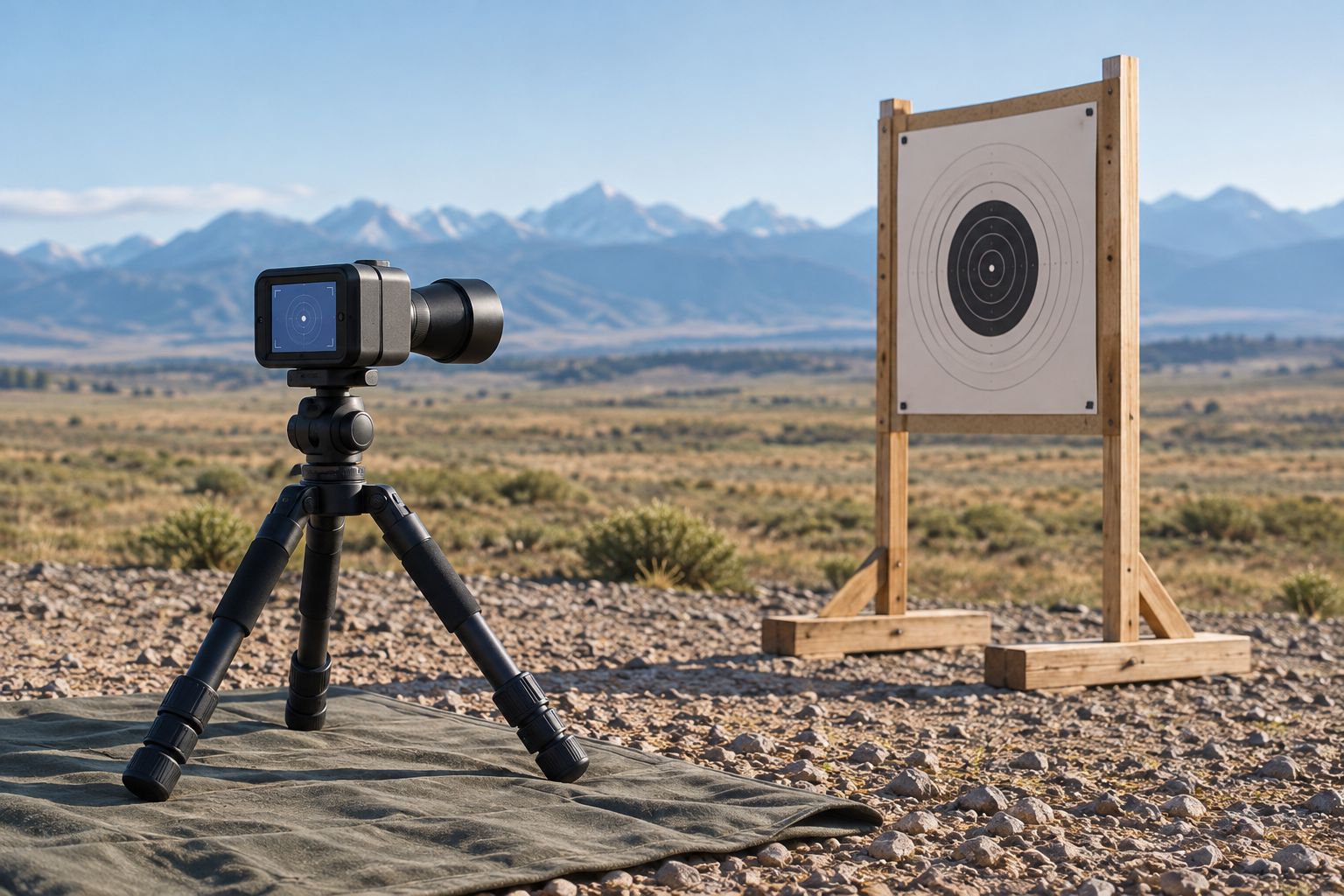
A target camera provides remote observation rather than requiring a walk downrange for each look at the target. Plan the camera’s approved placement and your display position as separate tasks. Keep the camera out of the intended impact area and follow the range’s instructions for equipment near targets.
At the bench, place the display where you can consult it without reaching across your rifle support. The Longshot Tablet Stand (Black) – Target Camera System holds most smart devices and offers 2 viewing-angle positions. Check your particular device’s fit and readability before committing to that arrangement.
For 2026 matches, confirm whether competitors can use electronic viewing devices and target cameras. Equipment convenience does not override a match’s permitted equipment or official scoring process.
- Obtain permission for downrange camera placement.
- Install and retrieve equipment only when the range permits it.
- Keep cables and supports clear of shared access routes.
- Position the display away from rifle adjustment controls.
- Check the target image from your normal seated position.
Test the assembled station before match day
Use your normal practice routine to evaluate the complete arrangement. An unloaded setup check, conducted under the range’s rules, lets you assess reach, clearance, and mounting without changing several variables during a match.
Sit down, establish your position, consult the observation device, and return to the rifle controls. Notice which actions require you to shift the chair, move a support, or reach around equipment. Correct those placement issues before adding accessories.
Then evaluate the arrangement during an authorized practice session. Check whether the camera or optic remains directed at the intended target and whether the display remains useful from your seat. Distinguish a support problem from an image, connection, or viewing-position problem before changing equipment.
Record the configuration that works. A simple packing note or setup photograph makes your 2026 station easier to reproduce without guessing at placement when another shooter is waiting for the bench.
- Inspect the complete mount before use.
- Check clearance from your normal shooting position.
- Test the observation workflow during permitted practice.
- Identify which component causes any problem.
- Record the working configuration for the next session.
Choose only the accessories that solve a verified problem
Start with what you already own. If an existing support positions the camera securely and leaves the bench usable, replacing it adds another setup change without resolving a demonstrated issue. If the display rests awkwardly, solve the display position rather than buying a taller camera tripod.
Compact Tripod is best for bench or downrange camera-support needs described in its product information. Its fit still depends on your device, mounting requirements, and available placement. The Longshot Tablet Stand (Black) – Target Camera System is best for a separate smart-device viewing position, not for supporting the camera or rifle.
These accessories address different parts of the observation arrangement. Longshotcameras does not need to supply every component of your station for its target-camera approach to be useful; retain equipment that already works.
- Keep supports that pass your placement and mounting checks.
- Replace the component responsible for the identified problem.
- Verify device compatibility before ordering.
- Avoid buying one support for several incompatible jobs.
- Rehearse any changed arrangement before competition.


Compare support options for benchrest use
There is no single winner across rifle support, optical observation, camera placement, and display positioning. Choose the option that addresses your actual task, then verify its fit against the match rules and device instructions.
| Option | Best for | Main advantage | Key limitation |
|---|---|---|---|
| Rules-compliant benchrest front support and rear support | Supporting the rifle in your competition class | Keeps the choice focused on the rifle and applicable rules | Does not provide a dedicated camera or display mount |
| Floor-standing optic tripod | Positioning a spotting optic beside the bench | Leaves the optic’s support off the tabletop | Needs floor clearance and a suitable seated viewing position |
| Compact Tripod | Bench or downrange camera placement | Explicitly described for those camera-support tasks | Confirm the mount and placement; do not assume rifle-support compatibility |
| Longshot Tablet Stand (Black) – Target Camera System | Viewing a supported smart device at the bench | Holds most smart devices with two viewing-angle positions | Supports the display, not the target camera or rifle |
| Existing compatible support | Keeping a proven observation arrangement | Avoids unnecessary changes to your station | Retain it only if attachment, placement, and adjustment checks pass |
A camera tripod and a rifle rest are separate purchasing decisions. Judge each by the equipment it carries, not by whether both appear in the same shooting setup.
Common mistakes benchrest shooters make
Buying a rifle tripod for an observation problem
If your difficulty is seeing the target, changing rifle support does not address that task. Identify whether you need a better optic position, camera position, or display position before choosing equipment.
Assuming general shooting compatibility means match eligibility
A mounting system can attach successfully and still be unsuitable for your competition class. Read the current rules and resolve uncertain equipment questions with the organizer before match day.
Crowding the bench with separate accessories
A camera display, optic, and extra support can compete with the space needed for your shooting position. Place each item deliberately; remove equipment that forces repeated reaching or repositioning.
Treating remote viewing as permission to skip range procedures
A target camera changes how you observe impacts, not who controls range access. Wait for the required commands before adjusting, installing, or retrieving anything downrange.
Changing several supports immediately before competition
A new head, tripod, adapter, and display position create several things to troubleshoot at once. Test one change at a time and retain a configuration you can reproduce.
FAQ
What’s the best tripod for benchrest shooting?
The best tripod for benchrest shooting is the one matched to the equipment it supports and permitted by your competition rules. Choose rifle support, spotting-optic support, and target-camera support as separate tasks rather than assuming one tripod covers all three.
Can I use a camera tripod as a benchrest rifle rest?
Do not assume a camera tripod is suitable as a benchrest rifle rest. Confirm the complete mounting system’s intended use and specifications, then check whether your competition permits that support arrangement.
Is Compact Tripod intended for target cameras?
Compact Tripod is described for placing a Longshot camera downrange or providing a base at the bench. Verify your camera’s mounting requirements and the available placement before selecting it.
Should my spotting scope sit on the bench or beside it?
Place your spotting scope where you can view it without interfering with the rifle supports or shared access. A tabletop support consumes bench space, while a floor-standing tripod needs clearance around the bench and chair.
Does a target camera eliminate every trip downrange?
No; a target camera provides remote viewing of shot impacts but still requires permitted installation, adjustment, and retrieval. Follow range commands and the organizer’s rules for camera placement.
What does the Longshot Tablet Stand support?
The Longshot Tablet Stand (Black) – Target Camera System holds most smart devices and provides two viewing-angle positions. It supports your viewing device rather than the rifle or target camera; check your particular device’s fit.
What should I check before a 2026 benchrest match?
Check the applicable match rules, each mounting connection, and your complete working position before a 2026 benchrest match. Rehearse the observation workflow during permitted practice so that camera placement and display access do not require last-minute changes.
One last thing
Before buying another support for your 2026 station, take a photograph of the setup from your seated viewing position. Look for blocked controls, crowded elbow space, and equipment you must reach around. Move the existing equipment first; buy a replacement only when the remaining problem calls for it.