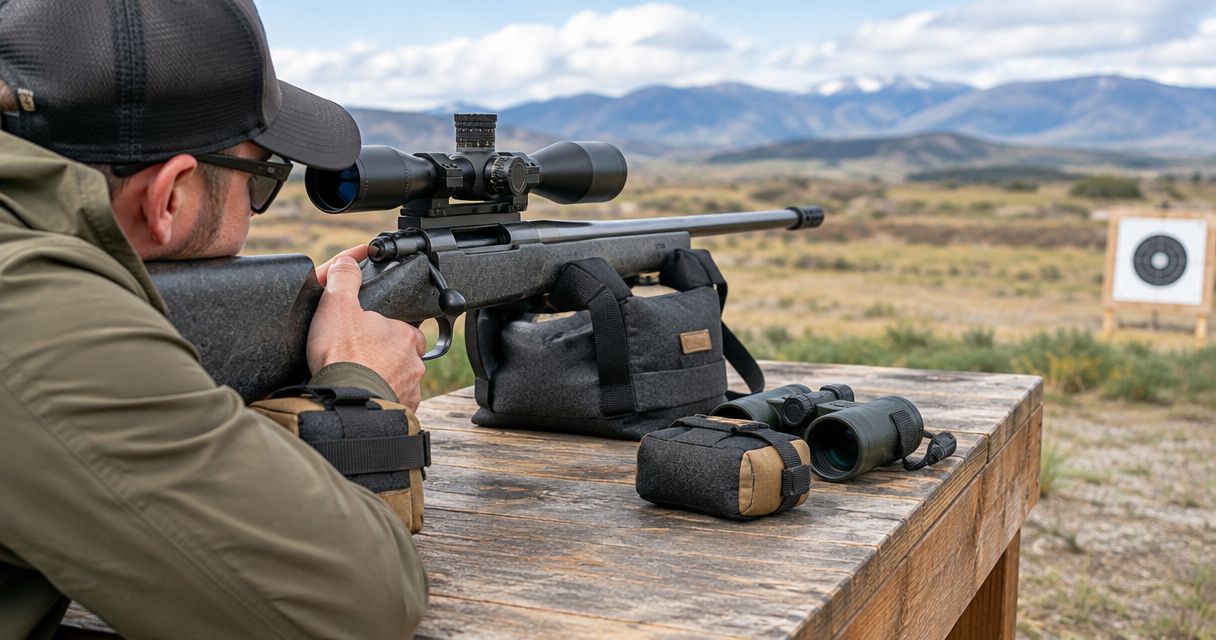
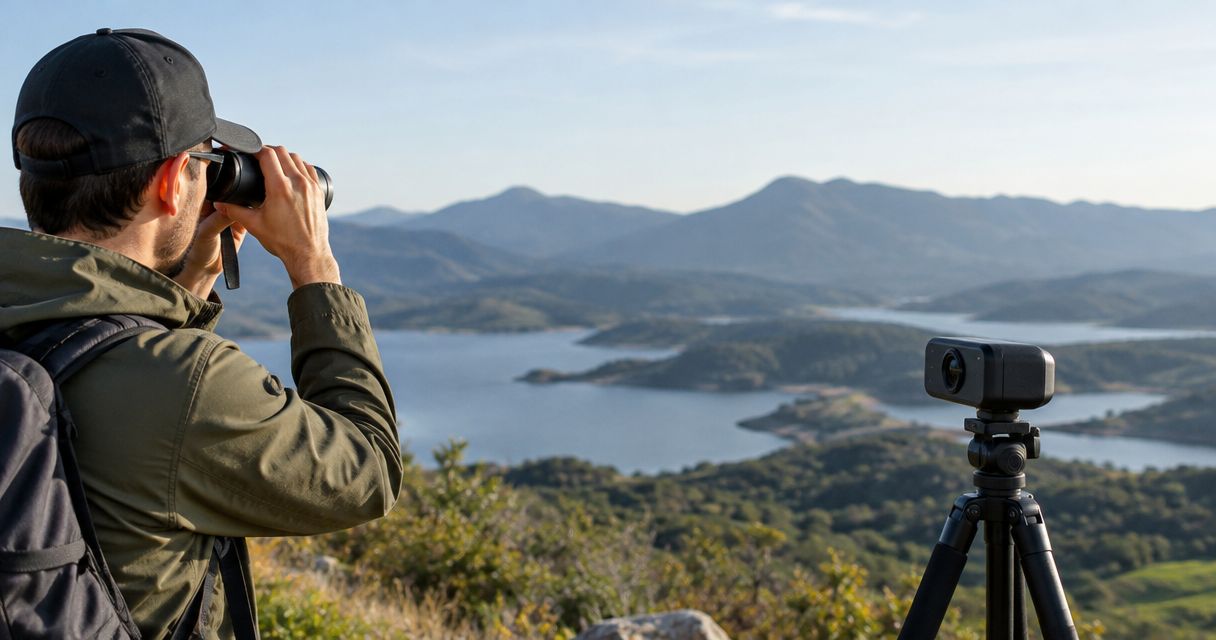
Yes—2 miles of camera range is realistic for a target-camera system designed for that distance, provided the installation supports a reliable wireless connection. The rating describes communication distance, not a camera looking at a target from 2 miles away, and it does not establish performance behind every obstruction. For a 2026 setup, verify both the connection and the target image at your actual shooting position before relying on the system.
- Is 2 miles of camera range realistic in real world conditions? Yes, with suitable equipment and a verified wireless path.
- Longshotcameras target cameras suit shooters who want to view impacts remotely rather than repeatedly walk downrange.
- The LR-3 lists a 2-mile range; Ranger+ lists 1,000 yards. Match the system to your actual distance.
- A connected camera is useful only when its target image also shows the detail you need.
Why this matters
A maximum-range specification answers only part of your buying question. You also need to know whether the system connects from your bench, whether the camera frames the target clearly, and whether you can use that image without interrupting the session.
Start with the guide to connecting a Longshot camera to the app. Establishing the connection before placing equipment downrange separates basic setup problems from distance-related problems.
Longshotcameras target cameras are best for shooters who want to inspect shot impacts remotely without repeatedly walking downrange. The trade-off is that you must place, power, connect, and retrieve equipment near the target under the range's safety procedures.
Is 2 miles of camera range realistic in real world conditions?
Yes, but treat the advertised distance as a system specification—not proof that every possible installation works. The LR-3 product listing states a Straight Shooter 2-Mile Guarantee and 2688 x 1512 imagery. Those specifications support considering it for a 2-mile application; they do not provide a measured success rate across wooded, obstructed, or uneven ranges.
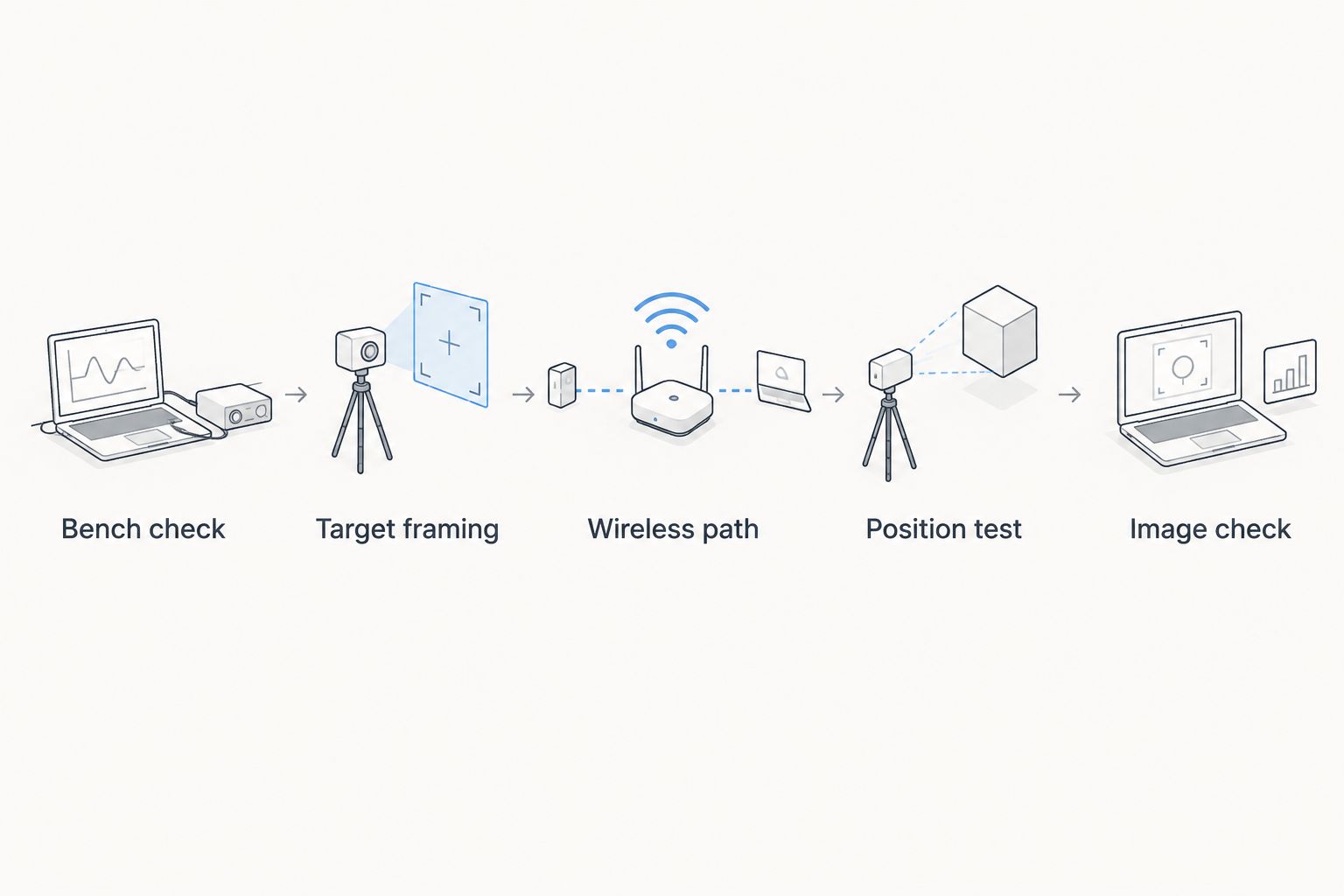
For your 2026 evaluation, distinguish the published specification from the result you need to demonstrate on site. A useful acceptance test checks the complete setup, not just whether a device appears connected.
- Bench check. Power the equipment and establish the viewing connection before deployment. Resolve basic connection issues at close range first.
- Target framing. Position the camera under the range's approved procedures and confirm that the intended target fills a useful portion of the image.
- Wireless path. Check the route between the downrange equipment and your viewing position. Identify terrain, vegetation, structures, and other obstructions.
- Position test. View the target from the exact location where you intend to use the system. A connection checked elsewhere does not verify that location.
- Image check. Confirm that the displayed image is current and that the target detail is sufficient for your purpose. Connection status alone is not enough.
This sequence gives you a practical answer: the system either delivers a usable target view at your location or needs a placement or setup change. Do not call a range test successful solely because the app connects.
LR-3: 2 miles of listed range
Best for: shooters whose planned camera-to-viewing-position distance exceeds the shorter-range systems listed below. The LR-3 combines its stated 2-mile range with 2688 x 1512 imagery, all-axis camera adjustment, and a Blinker Shot Locator, according to its product listing.
The advantage is a distance specification that directly addresses this question. The limitation is equally clear: the listing does not quantify performance for every terrain profile or obstruction, so your installation still needs verification.
Do not read the distance as an optical magnification claim. A downrange target camera captures the target nearby and sends that image back; the long-distance task is transmitting the view to you.
Ranger+: 1,000 yards of listed range
Best for: shooters planning to view targets within the Ranger+'s listed 1,000-yard distance. The product description identifies Ranger+ as the upgraded 1,000-yard version of the compact Ranger camera.
Its stated range fits a different requirement from a 2-mile system. The limitation is that a 1,000-yard specification does not support choosing Ranger+ for a 2-mile connection, regardless of how clear the terrain looks.
For a 2026 purchase, choose around the farthest distance you actually intend to use. Do not assume that accessories turn a shorter-range camera into a model with a different published rating.
Marksman: 300 yards of listed range
Best for: shooters whose target-camera requirement stays within 300 yards. The Marksman listing states a Straight Shooter 300 Yard Guarantee, 2688 x 1512 Ultra HD imagery, all-axis camera adjustment, and a Blinker Shot Locator.
This is a useful distinction: image resolution and transmission distance are separate specifications. Marksman and LR-3 list the same image dimensions, but their stated operating distances differ.
The limitation is reach. A clear image specification does not establish a wireless connection beyond the model's published distance.
| System | Listed distance | Best for | Main advantage | Main limitation |
|---|---|---|---|---|
| LR-3 | 2 miles | Extended-distance target viewing | Published range directly matches a 2-mile requirement | Site-specific connection still needs verification |
| Ranger+ | 1,000 yards | Target viewing within 1,000 yards | Compact camera with a stated 1,000-yard range | Not listed as a 2-mile system |
| Marksman | 300 yards | Target viewing within 300 yards | 2688 x 1512 imagery and camera adjustment | Shorter published transmission distance |
Match these specifications to your range layout before choosing. The following cards identify the two systems most relevant when deciding between a 1,000-yard requirement and a 2-mile requirement; they are not evidence of performance at your site.


Why usable camera range varies
Usable range depends on more than the number printed in the product name. Separate the conditions affecting the wireless connection from those affecting the image, because fixing one does not automatically fix the other.
- System rating. Begin with the model's stated distance. A camera listed for 300 yards does not become a verified 2-mile system through favorable placement alone.
- Obstructions. Terrain, structures, and vegetation affect radio propagation. The LR-3 listing includes an OverObstacle Design, but that feature name does not establish unrestricted operation through every obstacle.
- Antenna arrangement. The External Antenna product description states that it improves signal strength. That supports considering antenna setup, not assuming a specific additional distance or universal compatibility.
- Camera position. All-axis adjustment on LR-3 and Marksman helps you frame the target. Framing determines how useful the transmitted view is, independently of whether the wireless link connects.
- Mount stability. A steady support helps preserve the selected view. A moving camera changes what you see even when the connection remains intact.
Diagnose the failed requirement before adding equipment. A poor connection calls for checking the communication setup; a connected but unhelpful view calls for checking the camera position, framing, and target visibility.
For your 2026 range check, keep those observations separate. Record where the equipment sits, where you view it, and whether the problem is connection loss or insufficient image detail.
Does 2 miles mean the camera sees the target from the bench?
2 miles refers to the listed system range, not a requirement to photograph the target from the bench. A downrange camera captures a nearby target and transmits the view back to the shooter.
That distinction changes how you evaluate equipment. Inspect the wireless path over the long distance and the camera's target view over the local distance; they are different parts of the same setup.
Is a 1,000-yard camera enough for a 2-mile range?
1,000 yards is the Ranger+'s listed range, not evidence of 2-mile capability. Select a system whose published specification covers your intended camera-to-viewing-position distance, then validate it at the site.
A shorter-range model fits when your actual use stays within its stated distance. Buying for a hypothetical extension without a supporting specification leaves the central requirement unresolved.
Does 2688 x 1512 resolution guarantee visible impacts?
2688 x 1512 describes the listed image dimensions, not guaranteed visibility of every impact. Target framing, contrast, lighting, and the camera's physical stability affect what you can distinguish in the displayed view.
Check the detail you actually need rather than accepting a readable target outline as sufficient. A wide view of the entire target area serves a different purpose from a close view intended to distinguish small marks.
How to judge your own range test
A useful test ends with an observable result, not a general impression. For your 2026 setup, define success as a current, usable target image at the intended viewing position, with the equipment installed according to its instructions and the range's rules.
Change one setup variable at a time when troubleshooting. Moving the camera, changing its aim, and relocating the viewing equipment simultaneously makes it harder to identify which change resolved the problem.
Keep a short installation record:
- Note the camera and viewing positions.
- Describe the obstructions along the wireless path.
- Record whether the connection stays usable during your check.
- Confirm whether target detail meets your viewing needs.
- Note any placement change that resolves a problem.
Longshotcameras lists equipment for remote target viewing, but a maximum-distance label cannot document your particular layout. If the setup remains unreliable, use the contact page with your model, placement details, and a clear description of the failure.
FAQ
Is 2 miles of camera range realistic in real world conditions?
Yes, 2 miles is a realistic requirement for a system specifically rated for that distance, provided the installation supports a usable connection. The LR-3 lists a 2-mile range, but your actual equipment positions still need an on-site check.
Will a 2-mile target camera work behind a hill?
A 2-mile rating alone does not establish operation behind a hill. Terrain affects radio propagation, so test the actual path rather than treating the maximum-distance specification as an obstruction guarantee.
Is Ranger+ rated for 2 miles?
No. Ranger+ is listed for 1,000 yards, while LR-3 is listed for 2 miles. Choose according to your intended camera-to-viewing-position distance.
Does an external antenna guarantee more camera range?
No specific range increase is established by the supplied External Antenna description. It states that the antenna improves signal strength; confirm compatibility and installation requirements before selecting it.
Does a target camera replace range safety procedures?
No. Remote viewing does not authorize anyone to enter a live range or bypass ceasefire procedures. Install and retrieve equipment only under the range's established safety rules.
Does a higher-resolution camera always transmit farther?
No. Resolution and transmission range are separate specifications. Marksman and LR-3 both list 2688 x 1512 imagery, but their stated ranges are 300 yards and 2 miles respectively.
What's the best way to check a target camera before a long-range session?
Establish the connection at close range, then verify a current, usable target image from your intended viewing position. Check both wireless reliability and target detail before depending on the setup.
One last thing
The most revealing test is whether you can distinguish a changed target from an unchanged image. Before live fire begins, use a range-approved setup check to confirm that the displayed view updates when something visible near the target changes.
A sharp image can still be an old image. Checking that the view updates answers a different question from checking resolution—and both matter before you rely on remote observation.