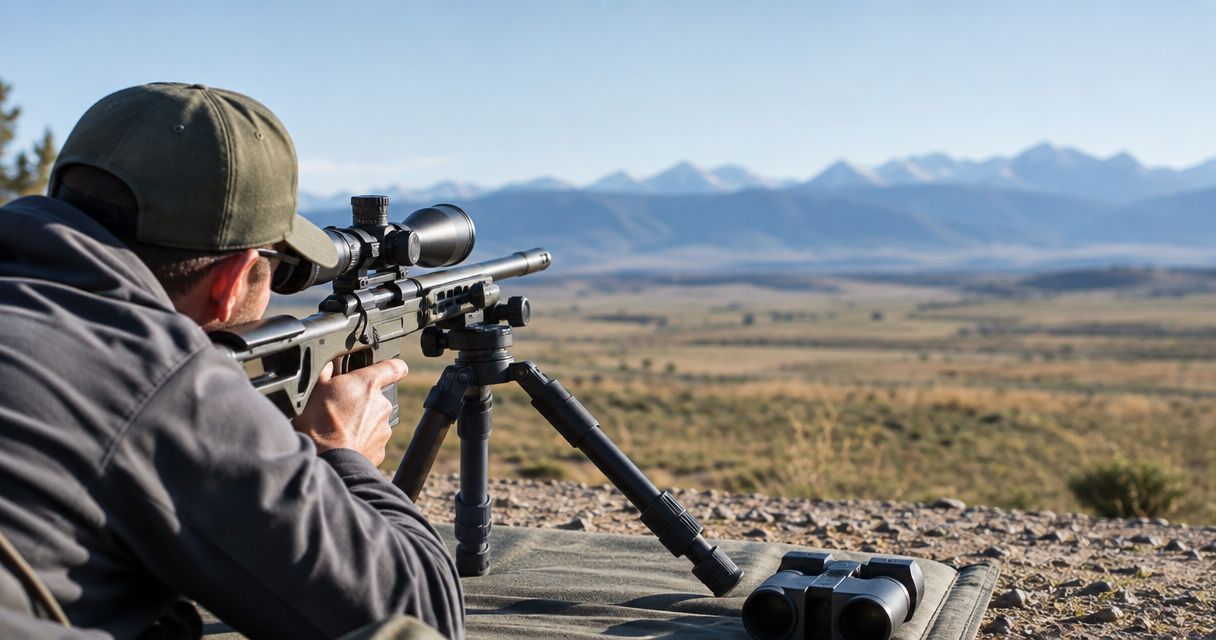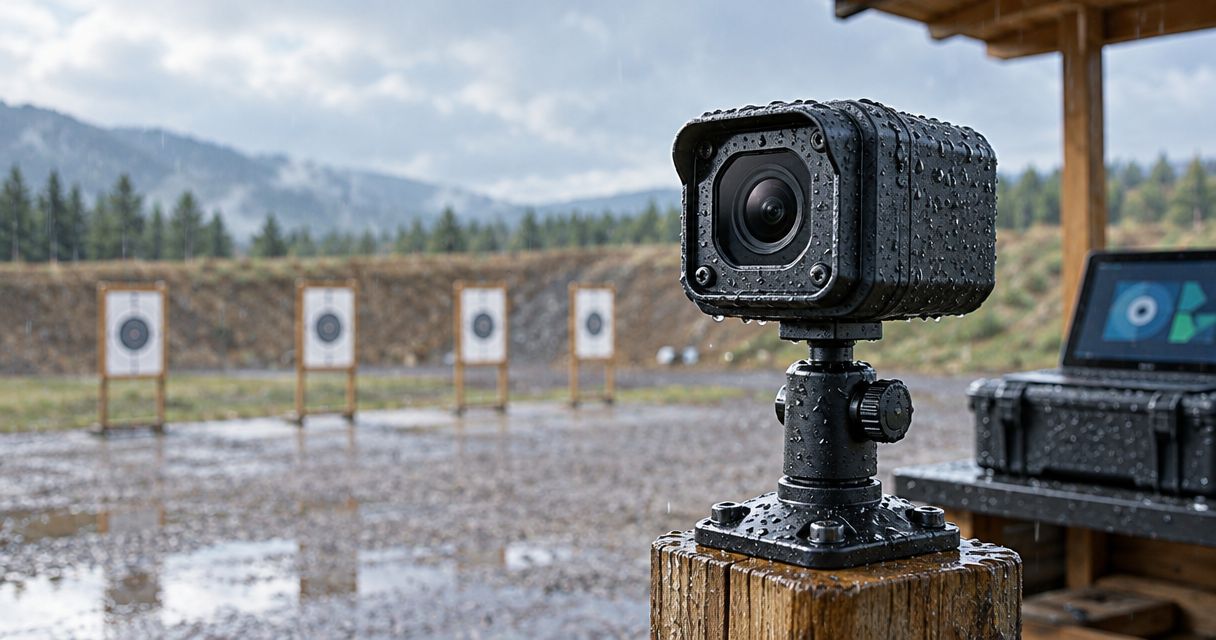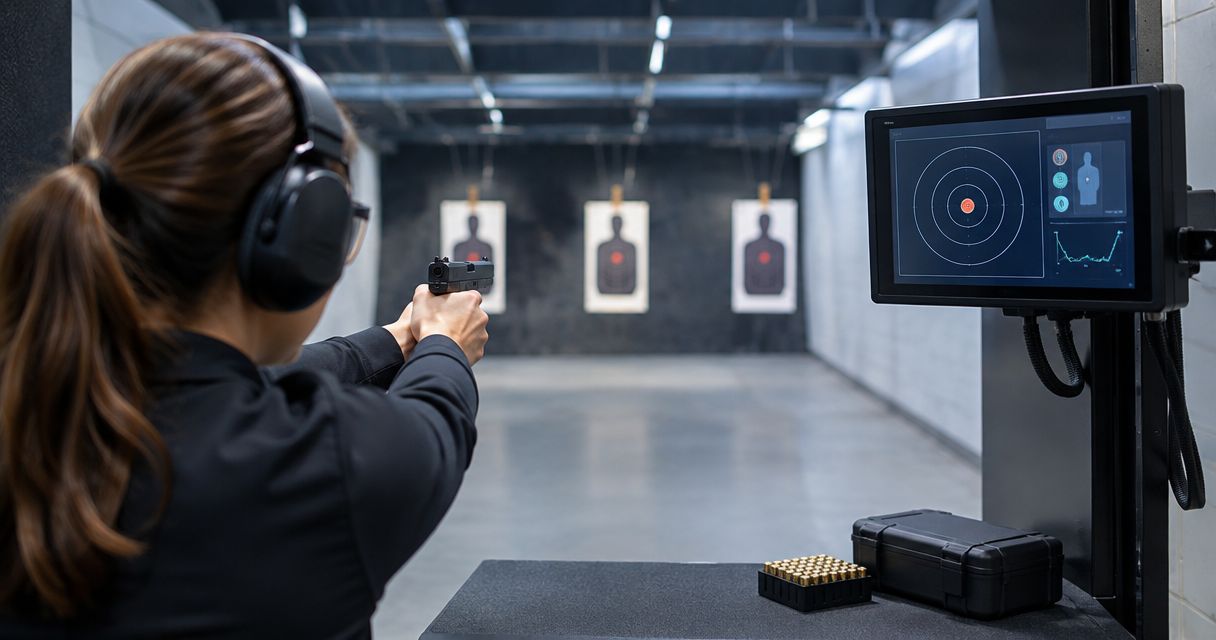
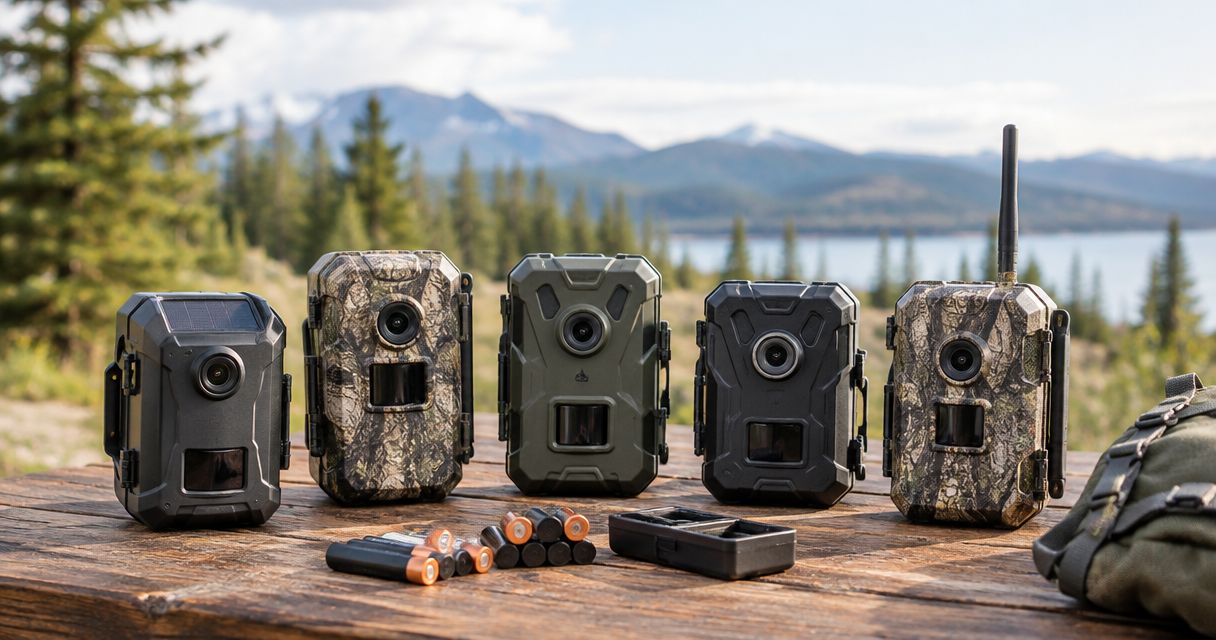
For target camera battery life in 2026, choose by verified continuous runtime for your exact setup—not transmission distance or the number of cameras in a kit. Longshotcameras target cameras are best for precision shooters who need remote views of shot impacts; the shortlist below separates camera configurations, power accessories, and the checks that determine whether a system fits your session.
- Target camera battery life should cover your complete session, including setup and target checks.
- Longshotcameras suits precision shooters who want to view shot impacts remotely.
- Ranger and Ranger+ have a dedicated 16ft USB-C Cable; confirm supported power operation separately.
- LR-3 multi-camera kits require a power plan for every device, including the viewing tablet.
- Choose by verified runtime, charging compatibility, and recovery options—not wireless range.
Why this matters
A target camera saves downrange trips only while the complete viewing setup works. A charged camera does not solve an exhausted tablet, and a spare charger does not extend operating time unless you have a safe opportunity to use it.
Longshotcameras sells target cameras and accessories for viewing shot impacts remotely at distances up to 2 miles. That distance describes remote viewing capability, not battery endurance. Keep those specifications separate when comparing systems in 2026.
Your useful runtime is the time the whole setup remains usable, not the longest battery figure attached to one component. Before choosing a camera, identify everything that must stay powered and establish how you will recover from a depleted battery without interrupting range procedures.
What makes the best target camera battery life?
A useful endurance comparison needs the same operating conditions for every camera. Use these criteria before accepting a ranking or buying a replacement system:
- Continuous runtime: Look for operating hours with the camera connected and providing the view you intend to use. Standby time answers a different question.
- Complete-system endurance: Include each powered component in your configuration, plus the phone or tablet used to see the target.
- Charging compatibility: Confirm the exact charger, connector, and supported charging method for the model. A physically fitting plug is not enough.
- External-power support: Verify whether the camera supports operation from an external supply. A cable accessory alone does not establish that capability.
- Recovery between sessions: Check the manufacturer's charging instructions and plan where charging will happen. Do not treat a product called a quick charger as a substitute for a specified charging duration.
- Repeatable operating conditions: Compare the same viewing workflow and record conditions. Different usage patterns produce comparisons that do not answer your buying question.
These criteria favor a system you can keep working over a camera with an impressive but poorly defined endurance claim. Buy for your session length and your recovery plan together.
Target camera battery-life shortlist at a glance
The table below is a selection order by shooting workflow, not a measured longest-to-shortest battery ranking. For a 2026 purchase, establish the exact configuration first, then compare its documented runtime with your session requirements.
| Selection | Best for | Standout feature supported by the product information | Battery-life check | Key limitation |
|---|---|---|---|---|
| Ranger/Ranger+ systems | Shooters evaluating a dedicated cable accessory | Dedicated 16ft USB-C Cable with a threaded connector | Confirm runtime and whether external-power operation is supported | Cable length and connector design do not establish endurance |
| LR-3 multi-camera kits | Shooters choosing between multiple target views | Kits with 2 cameras or 3 cameras, paired with a tablet | Check every camera and the tablet separately | Adding camera views adds devices to the power checklist |
| LR-2/Marksman systems | Owners matching a charger to an existing system | Named support in the Longshot LR-2/LR-3/Marksman Quick Charger - All Countries | Confirm charging instructions and continuous runtime for the exact model | Charger compatibility does not establish battery capacity |
| Longshot Competition Kit | Clubs and organizations | A kit described for club and organizational use | Establish the complete kit's powered-device checklist | A club-oriented kit still needs its own endurance assessment |
1. Ranger/Ranger+: best for dedicated cable planning
Ranger and Ranger+ are target camera systems with a dedicated cable accessory in the product catalog. The 16ft USB-C Cable uses a threaded connector and is described specifically for those systems.
That makes the cable relevant when planning connection placement. It does not establish a camera's continuous runtime, supported input requirements, or ability to operate while charging; confirm those details for the exact model before building an external-power setup.
Ranger/Ranger+ pros:
- A cable accessory explicitly names both systems.
- The 16ft cable length gives you a concrete connection-layout specification.
- The threaded connector is a documented feature rather than an assumed compatibility benefit.
Ranger/Ranger+ cons:
- Connector compatibility alone does not answer how long the camera runs.
- A longer cable does not guarantee support for every external power source.
- Any external-power arrangement requires model-specific verification before use.
Best for: Shooters who want to evaluate a dedicated cable arrangement alongside the camera's own battery endurance.
Before choosing this route, ask whether the cable supports your intended use, what supply requirements apply, and whether connected operation is permitted. Keep those questions separate from cable length.
Verdict: Hold until the exact Ranger or Ranger+ runtime and intended power arrangement are verified.
2. LR-3 multi-camera kits: best for multiple target views
The LR-3 catalog includes a kit with 2 cameras and a tablet, plus a kit with 3 cameras and a tablet. Those configurations let you choose the number of cameras included in the setup without treating camera count as an endurance specification.
For battery planning, assess each camera independently and include the tablet. A multi-camera purchase is a configuration choice first; it becomes a battery-life choice only after you establish how every required device will remain powered.
LR-3 multi-camera kit pros:
- The kit names clearly distinguish the included camera counts.
- Both named configurations include a tablet.
- LR-3 is named in the compatible quick charger's title.
LR-3 multi-camera kit cons:
- Multiple cameras require separate charge checks.
- Tablet endurance needs its own assessment rather than being inferred from camera runtime.
- A kit's included device count does not establish how long the complete setup works.
Best for: Shooters who need multiple camera views and are prepared to manage the complete setup's power requirements.
Write down which devices must remain active throughout the session. If every camera is essential, test every camera; if the tablet is your only viewing device, include it in the same session check.
Verdict: Buy for the required camera count only after confirming a complete-system power plan.
3. LR-2/Marksman: best for matching an existing charger ecosystem
LR-2 and Marksman are named in the Longshot LR-2/LR-3/Marksman Quick Charger - All Countries. The charger description identifies use with Longshot target cameras and lithium-ion batteries.
For an existing owner, that is a useful compatibility starting point. It is not a reason to assume LR-2, LR-3, and Marksman share identical battery endurance, charging duration, or operating requirements.
LR-2/Marksman pros:
- The charger title names both models explicitly.
- The accessory description identifies lithium-ion charging.
- A model-specific accessory gives you a clearer starting point than an unidentified substitute charger.
LR-2/Marksman cons:
- A shared charger listing does not prove equal runtime between models.
- Charging speed and camera operating time are different specifications.
- A charger is useful between sessions only when your schedule and power access accommodate charging.
Best for: LR-2 or Marksman owners checking charging compatibility before changing an otherwise suitable setup.
Start with the current system's operating instructions and your own session record. If the camera already covers your intended use, a charging checklist is more relevant than choosing a different model solely because it shares an accessory.
Verdict: Hold a replacement decision until the current system's usable runtime is established.
4. Longshot Competition Kit: best for club power planning
The Longshot Competition Kit is described for clubs and organizations. That makes it a different purchasing decision from choosing a camera for an individual range session: the operating plan must suit the organization's actual use.
Build that plan around the exact kit configuration. Identify the powered devices, who checks them, and when charging or recovery can occur within the range's procedures.
Longshot Competition Kit pros:
- Its stated audience is clubs and organizations.
- The kit description connects it with scoring use.
- The organizational use case makes a written readiness checklist directly relevant.
Longshot Competition Kit cons:
- A competition label does not establish continuous battery runtime.
- Club use requires clear responsibility for charging and readiness checks.
- Assessing one component does not validate the complete kit's endurance.
Best for: Clubs and organizations choosing a target-camera setup around an established operating procedure.
Do not select this kit because its name suggests longer battery life than an individual camera. Select it because its stated purpose matches your use, then verify endurance against the exact configuration you intend to operate.
Verdict: Hold until the kit configuration and session-length power requirements are confirmed.
Power accessories: what they solve—and what they do not
A charger supports battery replenishment; a cable supports a documented connection arrangement. Neither accessory, by itself, proves a longer continuous operating time.
The two accessories below are relevant to this distinction. Match them to the named systems and confirm the operating instructions before use.


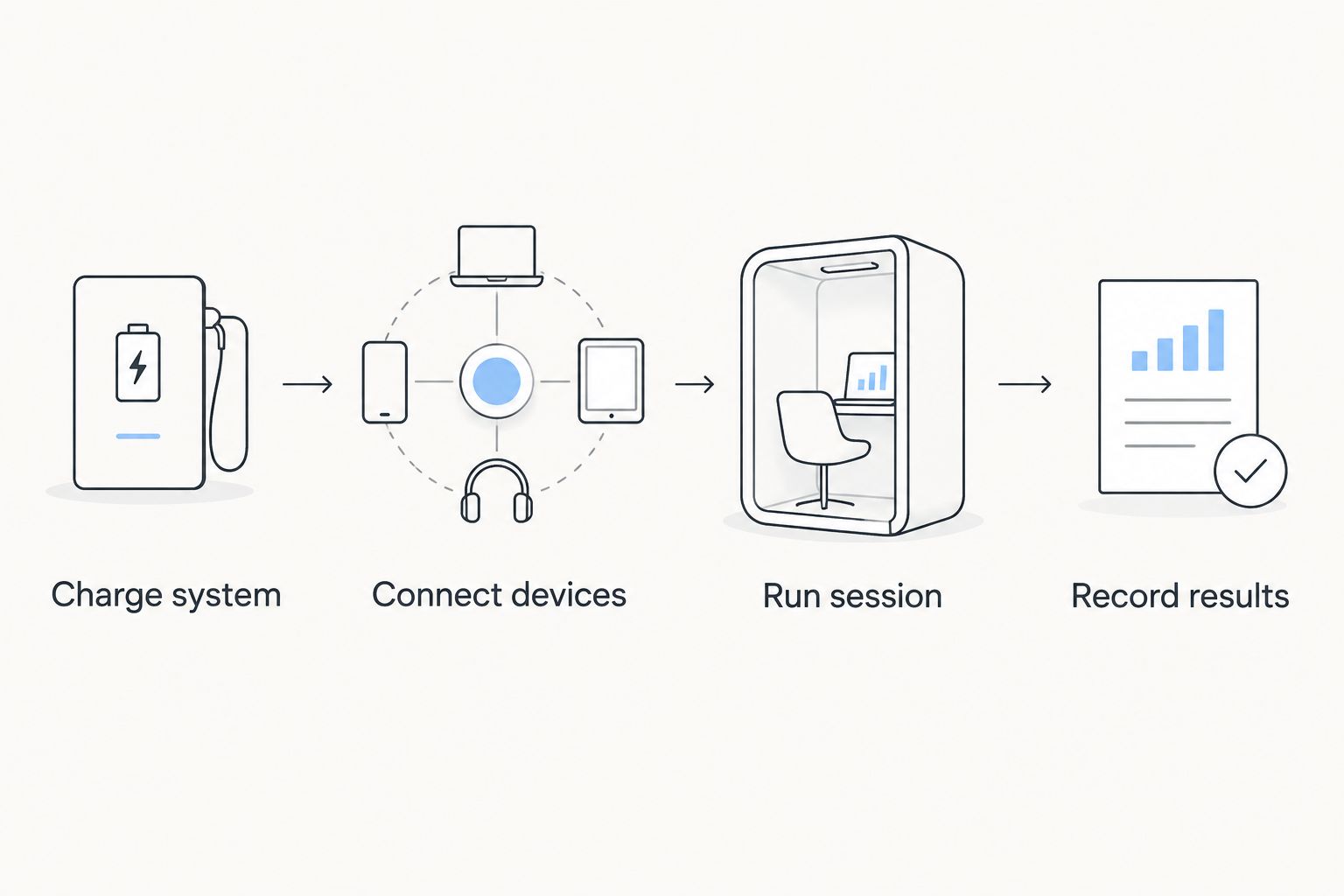
How to check usable battery life before a range session
Use a repeatable pre-session check in 2026 instead of discovering the system's limits after placing the camera downrange. Complete placement and retrieval only when the range permits downrange access.
- Charge system: Follow the manufacturer's instructions for each powered component. Include the viewing device, not just the camera.
- Connect devices: Establish the same camera connections and viewing arrangement you intend to use at the range.
- Run session: Use the normal viewing workflow for your planned session length. Keep a note of conditions and any interruptions.
- Record results: Write down elapsed operating time, device status, and any loss of the usable target view. Identify the component involved rather than labeling every interruption a camera failure.
This check assesses whether the setup covers your intended use. It is not a laboratory battery-capacity test, and one completed session does not prove unlimited endurance.
If the setup stops working, establish whether the camera lost power, the viewing device stopped, or the connection failed. Do not buy a larger power accessory to solve a problem you have not identified.
How the shortlist is ordered
The selection order follows distinct buying decisions: dedicated cable planning, multiple camera views, charger matching for existing systems, and club operation. It does not assign an unsupported endurance winner.
For a true 2026 battery-life ranking, compare documented continuous operating hours under matching conditions. Then apply the same criteria to every candidate: complete-system endurance, charging compatibility, external-power support, and recovery between sessions.
Which target camera should you choose?
Choose the camera configuration that meets your viewing needs and has verified runtime covering your session. Start with Ranger/Ranger+ for cable planning, LR-3 kits for multiple cameras, LR-2/Marksman for existing-system charger checks, or the Competition Kit for organizational use.
Do not buy more cameras to solve a charging problem. Do not buy a cable expecting an endurance improvement that the camera's instructions do not support. Keep capability, battery runtime, and power accessories as separate decisions.
FAQ
What's the best target camera battery life for a range session?
The best target camera battery life covers your complete planned session using the exact configuration you intend to operate. Confirm continuous runtime and include the viewing phone or tablet in your power check.
Does a target camera with longer wireless range have longer battery life?
Wireless range does not establish battery life. Longshotcameras describes remote target viewing at distances up to 2 miles, but operating endurance requires a separate model-specific runtime specification.
Can I use an external battery with Ranger or Ranger+?
Confirm external-power support and supply requirements in the instructions for the exact Ranger or Ranger+ model before connecting an external battery. The dedicated 16ft USB-C Cable establishes an accessory connection, not every supported power arrangement.
Does the LR-3 kit with more cameras last longer?
Camera count does not establish longer battery life. The LR-3 kits include either 2 cameras or 3 cameras with a tablet, so check each required device's endurance separately.
Does a quick charger make a target camera run longer?
A quick charger does not, by its name alone, establish longer camera runtime. Charging duration and continuous operating time are separate specifications.
Why did my target-camera view stop when the camera was still charged?
Check the viewing device and connection before treating the interruption as a camera battery problem. A working target view depends on more than the camera's charge status.
How should I compare target camera battery life in 2026?
Compare continuous operating hours under matching conditions for the exact camera configurations. Include all required powered devices and verify charging compatibility before choosing a system.
One last thing
Record the device that stopped first, not just the time the target view disappeared. That detail separates a camera-endurance problem from a viewing-device or connection problem and directs your next purchase toward the actual cause.
For your next Longshotcameras target-camera session in 2026, put that note beside the charging checklist. A specific failure record is more useful than a battery-life ranking that does not describe your setup.